Discover the Best Solar Design Software 2026: Your Australian Guide to Future-Proofing Solar Businesses
In the dynamic world of Australian clean energy, staying ahead means embracing innovation. For solar retailers and installers across Sydney, Melbourne, Brisbane, Perth, Adelaide, and Hobart, the right tools are not just an advantage; they're a necessity. Are you still grappling with a patchwork of spreadsheets, clunky CRMs, and separate design tools? The future of solar installation in Australia demands a more streamlined, accurate, and integrated approach.
Welcome to our comprehensive guide on the best solar design software 2026, specifically tailored for the unique landscape of the Australian solar industry. We’ll dive deep into what makes a solar design software truly exceptional, helping you make an informed choice that will future-proof your business, enhance efficiency, and ultimately boost your bottom line. We understand the challenges you face – from complex grid regulations to varying state-based solar rebates and the ever-growing demand for solar battery solutions. Let’s find the system that empowers your success.
Why the Right Solar Design Software is Non-Negotiable for Australian Solar Businesses in 2026

The Australian solar market is booming, driven by a strong commitment to renewable energy and increasing energy bills for homeowners. With record numbers of solar system installations, the competition is fierce. To thrive, you need more than just good installers; you need a powerful, intuitive solar design software that delivers precision, speed, and integrates seamlessly with your entire operation. Here’s why:
- Accuracy & Compliance: Australian conditions, including diverse roof types and specific shading challenges, demand highly accurate designs. The Clean Energy Council sets rigorous standards, and your software must help you meet them, ensuring every solar system in Australia is designed to best practice.
- Efficiency & Speed: Time is money. From lead generation to final proposal, an efficient design software significantly reduces the time spent on each project. Imagine generating a professional quote for a 6.6 kW solar system in minutes, not hours.
- Customer Confidence: High-quality, detailed proposals built with advanced solar design software instill trust. Customers want to see clear visualisations of their potential savings, a detailed breakdown of their proposed solar system, and how a solar battery will integrate.
- Cost Savings: Minimising design errors, optimising panel placement, and accurately estimating materials directly translate to reduced project costs and improved profitability.
- Integration for Growth: As highlighted by industry experts, the move towards integrated platforms is critical. Disjointed systems lead to data silos and inefficiencies. The best solar design software 2026 will be part of a larger ecosystem that manages leads, proposals, and project workflows.
The landscape of solar energy in Australia is evolving rapidly, with a focus on smart energy management, including Virtual Power Plant (VPP) programs and advanced solar batteries. Your design tools must be capable of incorporating these complexities, helping you design not just a solar system, but a comprehensive energy solution for Australian homes and commercial properties.
Key Features to Look for in the Best Solar Design Software 2026
When evaluating potential solutions for your Australian solar business, consider these essential features that differentiate the top-tier solar design software:
Precision & Accuracy for Australian Conditions
- High-Resolution Aerial Imagery: Essential for accurate site assessment, especially in varied urban and rural Australian landscapes. Software like Pylon, for instance, is known for offering this, facilitating precise panel placement and shading analysis.
- Advanced 3D Shading Analysis: Crucial for optimising energy yield. The software should accurately model shadows from nearby trees, chimneys, and other obstructions throughout the year, impacting the overall performance of the kw solar system.
- Geospatial Data Integration: Localised weather data and sun path analysis specific to NSW, QLD, VIC, SA, and ACT ensure designs are optimised for regional solar irradiance.
- Module & Inverter Databases: Up-to-date libraries of solar panel and inverter specifications from leading manufacturers ensure accurate performance simulations.
Comprehensive Proposal Generation
- Professional, Branded Quotes: Generate visually appealing, easy-to-understand proposals that reflect your company's brand.
- Detailed Financial Analysis: Include ROI calculations, payback periods, and estimated energy savings, factoring in feed-in tariffs and potential bill credits. This is vital for customers considering a significant investment in a solar system in Australia.
- Solar Battery & EV Charger Integration: The ability to seamlessly integrate and model the performance of solar battery and EV charger solutions, demonstrating their value to customers. Many homeowners are looking for VPP rated batteries to maximise their clean energy use.
- Customisable Templates: Adapt proposals to different customer segments, whether it's a small residential solar system or a large-scale commercial solar project.
Seamless CRM Integration (The SolarHub Advantage)
This is where the best solar design software 2026 truly shines. A standalone design tool, however powerful, still leaves gaps in your workflow. An integrated platform brings everything together:
- Lead Management: Track and nurture every opportunity from initial contact to conversion.
- Automated Email Marketing: Engage prospects with targeted campaigns and follow-ups, ensuring no lead slips through the cracks.
- Job Scheduling & Team Management: Streamline your installation process, manage appointments, and allocate leads efficiently across your team.
- Centralised Data: Eliminate data entry errors and ensure all team members have access to the most current project information.
Compliance & Rebate Management
Navigating Australian solar rebates and regulations can be complex. Your software should:
- Incorporate STC Calculations: Automatically factor in Small-scale Technology Certificates (STCs) for accurate pricing.
- Support State-Specific Programs: Account for initiatives like Solar Victoria's Solar Homes Program, NSW solar rebates, or QLD and SA programs, helping customers understand available incentives.
- Clean Energy Council Guidelines: Ensure designs align with the latest industry standards and best practice charter, maintaining your reputation and avoiding rework.
Scalability for Residential & Commercial Solar Projects
Whether you're installing a 5kW solar system for a home or a 100kW solar system for a business, the software should effortlessly handle projects of all sizes and complexities. This includes the ability to design for different roof types, ground mounts, and even multi-site commercial solar installations.
Top Contenders for Best Solar Design Software 2026 in Australia
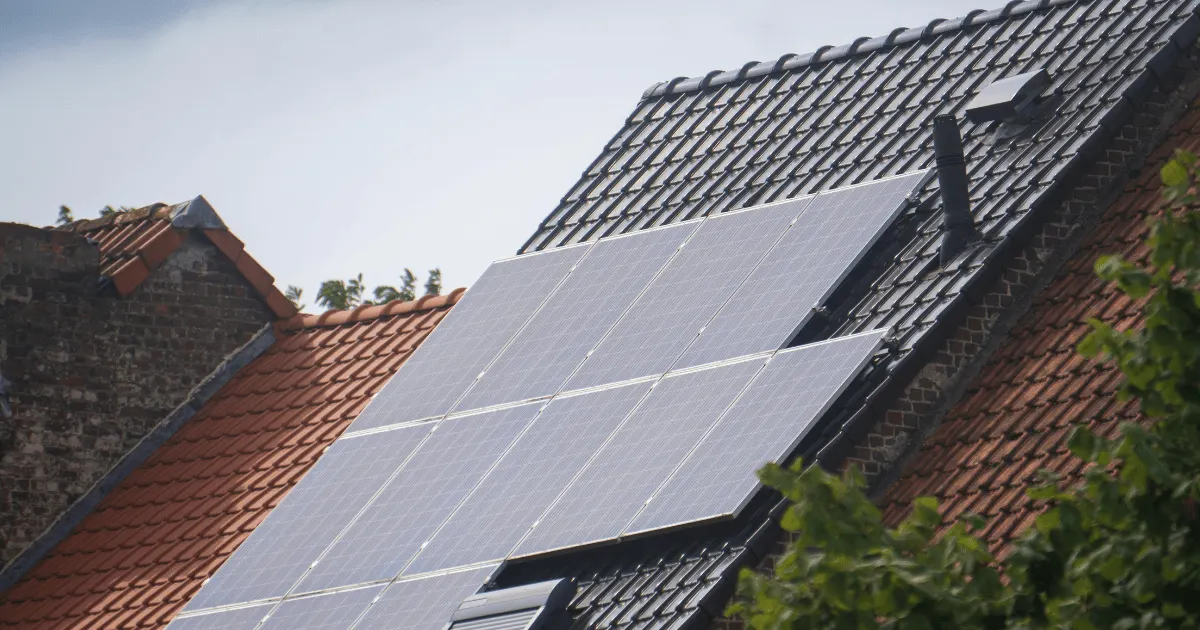
While several platforms vie for the title of best solar design software 2026, they often fall into two main categories: specialised design tools and integrated all-in-one platforms. Let's look at a prominent example and then introduce a solution designed specifically for the Australian market.
Pylon: A Strong Design-Focused Contender
Pylon has gained significant traction in Australia, especially among installers looking for robust design capabilities. Our research, including various customer reviews available, shows Pylon offers:
- High-Resolution Imagery: Excellent for detailed site analysis.
- Fast Proposals: Users often praise its speed in generating professional solar proposals, complete with 3D shading analysis.
- Cost-Effective: Many appreciate its pricing model, especially for its premium features.
While Pylon excels at the design aspect, businesses often find themselves needing to integrate it with separate CRM, marketing, and project management tools. This can lead to the very 'messy spreadsheets and clunky CRM' scenario that modern Australian solar businesses are trying to avoid.
SolarHub CRM: The All-in-One Integrated Solution for Australian Solar
This is where SolarHub CRM steps in, offering a unique proposition for the Australian market. Instead of just being a solar design software, SolarHub is an all-encompassing platform. It’s built from the ground up to replace your messy spreadsheets, clunky CRM, and separate design tools with one beautiful, integrated system. Our extensive experience working with Australian solar retailers and installers has shown us the profound need for a unified approach.
SolarHub CRM’s integrated design module provides the accuracy and visualisations you need, combined with the comprehensive business management tools that drive efficiency and growth. This truly holistic approach makes it a strong contender for the best solar design software 2026 for businesses seeking a complete solution.
A Deep Dive into SolarHub CRM's Integrated Solar Design & Management Solution
All-in-One Solar Software SolarHub CRM
At SolarHub, we understand that designing a great solar system is only one piece of the puzzle. Managing your leads, proposals, installations, and customer relationships is equally vital. Our platform is engineered to offer everything you need in one place, making it an unparalleled choice for Australian solar businesses aiming for peak performance in 2026 and beyond.
Seamless Lead Management
From the moment a potential customer expresses interest in a kw solar system to the final sale, SolarHub helps you track and nurture every opportunity. Our lead management system ensures no inquiry is missed, allowing you to:
- Capture Leads: Integrate with Facebook, Google Sheets, and landing pages to automatically pull in new leads.
- Qualify & Prioritise: Easily assess lead quality and focus on high-potential prospects.
- Automated Follow-ups: Set up automated email marketing campaigns to keep leads engaged without manual effort.
Professional Solar Proposals with Integrated Design
Our integrated design module allows you to create professional, accurate solar proposals directly within the platform. This means:
- Accurate Calculations: Generate precise energy production estimates for any solar system in Australia, including kw solar system and solar battery configurations.
- Visual Impact: Present clear, compelling designs that help customers visualise their future clean energy solution.
- Financial Clarity: Automatically include pricing, rebates (like those from Solar Victoria or NSW QLD SA programs), and expected savings to help customers make informed decisions, free from lock in contract concerns.
- Version Control: Keep all proposal versions organised and accessible, streamlining customer discussions.
Efficient Sales & Project Management
SolarHub simplifies the entire sales and installation lifecycle:
- Sales Appointments: Manage meetings and site visits with integrated calendar sync and appointment booking.
- Job Scheduling: Plan and assign installation tasks efficiently, ensuring timely project completion and system installation kw solar.
- Team Management: Define roles, permissions, and foster seamless collaboration among your team members.
- Smart Lead Allocation: Automatically route leads to the right sales person or installer based on location, availability, or expertise.
Why SolarHub is the Smart Solar Choice for 2026
By consolidating your operations, SolarHub eliminates the inefficiencies of disparate systems. You get a single source of truth for all your customer data, project details, and design specifications. This integrated approach ensures that from initial contact to final installation, your team is working with the most accurate information, delivering exceptional customer experiences and driving the growth of your solar business in Australia.
We invite you to read our full review of SolarHub's capabilities and see how it stacks up against other solutions for the best solar design software 2026.
How to Choose the Best Solar Design Software for Your Australian Business

Selecting the right software is a critical business decision. Here's a guide to help you make the best solar choice:
Assess Your Business Needs
Consider the scope of your operations. Are you primarily focused on residential solar homes, or do you also handle large-scale commercial solar projects? What is your average system installation kw? Do you frequently offer solar battery solutions or EV chargers? Your software should be able to scale with your ambitions.
Prioritise Integration
As discussed, the power of an all-in-one platform cannot be overstated. Evaluate if a standalone design tool, however advanced, will create more work by requiring manual data transfer or integration with other systems. Look for solutions that offer a holistic approach to managing your entire solar business, from lead to installation kw solar system.
Read Customer Reviews & Seek Demos
Don't just take a company's word for it. Look for customer reviews available from other Australian solar businesses. Platforms like Capterra or GetApp Australia often feature ratings and feedback. Take advantage of free trials and demos to get hands-on experience with the software. Ask specific questions about how the software handles unique Australian challenges.
Consider Australian Specifics
Ensure the software is well-adapted for the Australian market. This includes:
- Compliance with Clean Energy Council guidelines and local regulations.
- Ability to factor in state-specific solar rebates and programs (e.g., Solar Victoria, NSW QLD SA programs).
- Accurate modelling for Australian weather patterns and grid connections.
- Support for VPP rated batteries and feed-in tariffs.
The Future of Solar Design: AI, VPPs, and Beyond in Australia
Run Your Solar Business on SolarHub CRM
Run Your Solar Business on SolarHub CRM
The Australian clean energy industry is on the cusp of exciting advancements. The best solar design software 2026 will not just keep pace but anticipate these changes:
- AI-Driven Optimisation: Expect more sophisticated AI algorithms to suggest optimal panel layouts, predict energy generation with even greater accuracy, and identify the best solar battery configurations based on consumption patterns.
- Advanced VPP Integration: Virtual Power Plants are becoming increasingly important for grid stability and customer bill credits. Design software will need to seamlessly incorporate VPP rated battery systems and their economic benefits into proposals.
- Enhanced Energy Management: Beyond design, the software will provide more tools for ongoing energy management, helping customers maximise their self-consumption and participate in demand response programs.
- Digital Twins & Predictive Maintenance: Imagine creating a 'digital twin' of each solar system, allowing for remote monitoring, predictive maintenance, and even more accurate lifetime performance estimates.
These innovations will further solidify Australia's position as a global leader in renewable energy. Choosing a software provider that invests in these future capabilities, like SolarHub, ensures your business remains at the forefront of the industry.
Comparison: Standalone Design Software vs. Integrated Platforms
Question 1: What is the best solar design software in Australia for 2026?
The best solar design software in Australia for 2026 is one that combines accurate solar system design with full business workflow integration. While design-only tools like Pylon are strong in layout and shading analysis, integrated platforms like SolarHub CRM stand out by combining design, proposals, lead management, and project workflows in one system – helping Australian solar businesses scale efficiently.
Question 2: Why is integrated solar design software better than standalone tools?
Standalone design tools require you to use separate CRM, proposal, and project management software, which leads to data duplication, errors, and inefficiency. Integrated solar design software allows you to design, quote, manage leads, schedule jobs, and track projects all in one place – saving time, reducing mistakes, and improving customer experience.
Question 3: Does solar design software support Australian rebates and compliance requirements?
Yes, the best solar design software for Australia is built to handle Clean Energy Council guidelines, STC calculations, and state-based rebates such as Solar Victoria, NSW, QLD, and SA programs. This ensures your proposals are compliant, accurate, and clearly show customers their eligible incentives and savings.
Question 4: Can solar design software handle battery systems, EV chargers, and VPP solutions?
Absolutely. Modern solar design software in 2026 is expected to support solar battery storage, EV charger integration, and VPP (Virtual Power Plant) modelling. Platforms like SolarHub CRM allow you to design complete smart energy solutions, not just basic solar systems – helping you meet the growing demand for energy independence in Australia.
To help you decide which type of solution is the best solar design software 2026 for your business, here's a comparison:
| Feature Category | Standalone Design Software (e.g., Pylon) | Integrated Platform (e.g., SolarHub CRM) |
|---|---|---|
| Primary Focus | High-fidelity solar system design & simulation. | End-to-end business management, with integrated design. |
| CRM & Lead Management | Typically requires integration with a separate CRM system. | Built-in lead tracking, sales pipeline, email marketing. |
| Proposal Generation | Excellent visual proposals, often needing manual data transfer to CRM. | Professional proposals generated directly from lead data, fully integrated. |
| Workflow Efficiency | Can create data silos, requiring manual data entry between systems. | Seamless workflow from lead to design to installation and follow-up. |
| Australian Compliance | Strong design compliance features. | Design compliance plus integrated management of rebates and regulations. |
| Scalability | Scales well for design complexity. | Scales for both project complexity and overall business growth. |
| Cost Model | Often subscription-based or per-design fees. | Typically a comprehensive subscription covering all modules. |
| User Experience | Specialised, powerful design interface. | Unified, intuitive interface across all business functions. |
Conclusion: Powering Your Future with the Right Software Choice
The journey to finding the best solar design software 2026 for your Australian business is about more than just features; it's about investing in a solution that empowers your growth, enhances your efficiency, and strengthens your customer relationships. The Australian solar industry is poised for continued expansion, and with the right tools, your business can capture a significant share of this exciting market.
While specialised design tools offer strong capabilities, the future clearly points towards integrated platforms that consolidate your entire operation. SolarHub CRM offers this comprehensive solution, bringing together lead management, professional solar proposals, email marketing, job scheduling, and team management into one intuitive platform. It's designed by Australians, for Australians, to meet the unique demands of our clean energy landscape.
Don't let outdated systems hold your business back. Embrace the future of solar design and management. Discover how SolarHub can transform your operations, making your business more efficient, accurate, and profitable. Take the first step towards a streamlined, successful 2026 and beyond.
Ready to revolutionise your solar business? Explore SolarHub CRM today and see how our all-in-one platform can elevate your projects and customer experience.