
Best Solar System Design Software: Powering Australian Solar Success and Profitability
In Australia's booming solar energy market, staying ahead means more than just installing panels; it means optimising every aspect of your solar business. From initial lead management to crafting flawless solar proposals and managing complex solar projects, the right solar system design software is your ultimate competitive edge. For Australian solar installers and retailers, selecting the best solar system design software isn't just a choice—it's a strategic investment in efficiency, accuracy, and profitability. This ultimate guide will help you navigate the myriad of design software options, ensuring you find the perfect tool to elevate your operations across Sydney, Melbourne, Brisbane, Perth, Adelaide, and Hobart.
We'll dive deep into the key features that truly matter for the Australian market, compare leading solar design tools, and show you how an integrated platform can transform your entire workflow. Get ready to unlock your solar potential and streamline every step of your solar power system design process.
Why the Right Solar Design Software Matters Down Under
The Australian solar industry is unique. We have abundant sunshine, but also complex grid regulations, varying state solar rebates, and diverse roof types. To thrive, solar businesses need system design software that's not just powerful, but also tailored to these specific conditions. Here's why investing in the best solar system design software is non-negotiable for Australian installers:
- Precision and Accuracy: Gone are the days of manual calculations and guesswork. Advanced solar design software offers precise shading analysis, detailed energy yield predictions, and accurate solar panel design layouts. This ensures optimal solar energy capture and realistic performance estimates, crucial for customer trust and project success.
- Enhanced Efficiency: Time is money. A robust design tool dramatically cuts down the time spent on solar system design, proposal quote generation, and revisions. This allows your team to handle more solar projects, boosting overall productivity.
- Professionalism and Trust: High-quality, visually appealing solar proposals generated by sophisticated software build immediate credibility with customers. When clients see detailed 3D models of their future solar system on their roof, complete with performance graphs and financial breakdowns, they're more likely to sign on the dotted line.
- Compliance and Risk Mitigation: Australian standards for solar power systems are stringent. The right software helps ensure your designs comply with local regulations, minimising costly errors and rework.
- Competitive Advantage: In a crowded market, differentiation is key. Using cutting-edge solar system design software signals to your clients that you're a forward-thinking, expert solar business committed to providing the best solar solutions.
Key Features to Look for in Australian Solar System Design Software
When evaluating solar design software, focus on features that directly address the challenges and opportunities within the Australian market. Here’s what truly sets the best solar system design software apart:
1. Advanced 3D Modeling and Shading Analysis

Accurate shading analysis is paramount in Australia, where diverse architectural styles and surrounding landscapes can impact solar panel performance. The best solar design software offers robust 3D modeling capabilities, allowing you to:
- Map complex roof structures and obstructions (chimneys, vents, trees).
- Precisely calculate shade impact throughout the day and year, factoring in UTC zones.
- Optimise solar panel placement for maximum energy yield.
- Visualise the proposed solar system for customers, enhancing their understanding and confidence.
2. Performance Simulation and Financial Analysis
For both residential and commercial solar projects, customers want to know their return on investment. The software should provide:
- Realistic solar power generation estimates based on local weather data.
- Detailed financial breakdowns, including payback periods, savings, and ROI.
- Integration of solar rebates and incentives relevant to Australia.
- Ability to model various system prices and financing options.
3. Comprehensive Product Library with Australian Relevance
A vast and up-to-date library of solar panels, inverters, and solar battery options is crucial. Look for software that includes:
- Leading global brands and those popular in the Australian market (e.g., Tindo Solar, SolarEdge).
- Options for various kW solar system sizes and configurations.
- Detailed specifications for each product, ensuring accurate design.
4. Seamless Proposal Generation and CRM Integration
Creating compelling solar proposals is where design meets sales. The best solar system design software will offer:
- Customisable proposal templates with your branding.
- Automated generation of quotes, contracts, and technical specifications.
- Integration with CRM functionalities for lead management, customer communication, and quote management.
- E-signature contract capabilities for faster conversions.
5. Battery Storage Integration and Power System Design
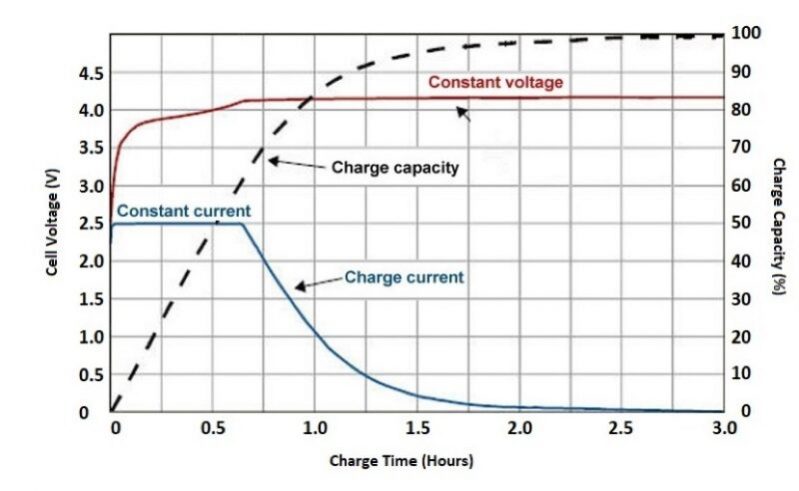
With increasing demand for battery storage in Australian homes and businesses, your design software must capably handle solar battery integration. This includes modelling:
- Different battery chemistries and capacities.
- Interaction between solar panels, inverters, and battery storage.
- Optimisation for self-consumption or grid export, crucial for power system design.
- The overall solar power system performance with storage.
Top Contenders: A Review of Leading Solar System Design Software for Australian Businesses
The Australian market has several powerful solar design software solutions. Here’s a look at some of the prominent players and how they stack up:
Pylon Observer: Australian Solar Design Software
Pylon Observer is a popular choice among Australian solar businesses, known for its user-friendly interface and strong shading analysis capabilities. It allows for quick and accurate design of solar systems, offering detailed 3D modeling and performance simulations. It's particularly strong for panel design and generating professional solar proposals. Many installers appreciate its local focus for the Australian market.
SolarProof Design Software Solutions
SolarProof offers comprehensive design software solutions with an extensive library of solar panels, inverters, and battery brands. It's designed to help businesses decide which products are the best for their needs, without restriction. Its focus on product flexibility makes it a versatile tool for diverse solar projects, from residential to commercial solar.
SolarPlus: The World's Most Complete Solar Design Software
SolarPlus positions itself as a complete solar and storage design platform. It caters to a wide range of solar projects, from small residential installations to complex commercial and industrial infrastructure. Its strength lies in its comprehensive approach, integrating various aspects of system design and management, making it a powerful option for growing solar businesses.
SolarEdge Designer: Free SolarEdge Solar Design Software Tool
For those primarily working with SolarEdge products, the SolarEdge Designer provides a free solar design software tool. It automates electrical design and helps create optimal layouts for solar panels, aiming for maximum yield. While excellent for SolarEdge-specific projects, its utility might be limited if you work with a broader range of manufacturers.
Free vs. Paid Solar System Design Software: What's Right for Your Business?
The question of free solar system design software versus paid solutions often comes up, especially for new or smaller solar businesses in Australia. Here’s a breakdown to help you decide:
Free Solar System Design Software:
- Pros: No upfront cost, great for basic solar system design, ideal for learning the ropes. Some manufacturers offer free software tools (like SolarEdge Designer) that are excellent for their specific products.
- Cons: Limited features (e.g., less advanced shading analysis, smaller product libraries), often lack CRM or management integrations, may not be suitable for complex commercial solar projects, and might not offer robust customer communication features. Free solar system design can be a good starting point, but it often falls short for professional, scalable operations.
Paid Solar System Design Software:
- Pros: Comprehensive features (advanced 3D, battery storage, financial modeling), extensive product libraries, superior proposal generation, dedicated support, and crucial integrations with productivity tools for lead management, quote management, scheduling calendar, and invoicing payment tracking. Many offer software with Australia-specific features.
- Cons: Involves a subscription fee, which can be a significant investment for smaller businesses. However, the ROI from increased efficiency and successful solar proposals often justifies the cost.
For serious Australian solar businesses aiming for growth and efficiency, a paid, integrated solution often proves to be the best long-term investment. It transforms not just your design process but your entire solar business management.
Beyond Design: The Power of an All-in-One Platform with SolarHub CRM
While dedicated solar system design software is essential, the true game-changer for Australian solar retailers and installers is an all-in-one platform that integrates design tools with comprehensive CRM and business management functionalities. This is where SolarHub CRM stands out, offering a unified platform that replaces messy spreadsheets, clunky CRMs, and separate design tools with one beautiful, integrated system.
Imagine a world where your solar power system design isn't an isolated task, but a seamless part of your entire sales and project management workflow. SolarHub CRM brings this vision to life for Australian solar businesses:
Integrated Lead Management and Allocation
SolarHub provides robust lead management capabilities, allowing you to track and nurture every opportunity from initial contact. With smart routing and assignment rules, lead allocation ensures your sales team gets the right leads at the right time, maximising conversion rates. This is crucial for managing the influx of enquiries for kw solar systems.
Professional Solar Proposals with Integrated Calculations
Create stunning, professional proposals directly within the platform. These aren't just pretty documents; they come with precise calculations for solar system performance, system prices, and financial benefits. This integrated approach ensures your design proposal is always accurate and compelling, leading to higher close rates for solar projects.
Automated Email Marketing and Customer Communication
Stay connected with customers effortlessly. SolarHub's automated email marketing campaigns and follow-ups ensure consistent customer communication, keeping your brand top-of-mind and nurturing leads through the sales funnel. This is a powerful tool for both initial outreach and post-installation management.
Smart Integrations for Enhanced Productivity
SolarHub seamlessly integrates with popular productivity tools like Facebook, Google Sheets, and landing pages. These management integrations streamline data flow, reduce manual entry, and provide a holistic view of your solar business operations, from lead capture to payment tracking.
Efficient Job Scheduling and Sales Appointments
Manage your team's time effectively with an integrated scheduling calendar. Book appointments, manage site visits, and ensure your team is always where they need to be. This calendar management feature is vital for optimising installation schedules and customer satisfaction.
Comprehensive Team Management and Role Allocation
Define team roles, permissions, and foster collaboration within your solar business. This ensures everyone has access to the information they need while maintaining data security and clear accountability. Effective management team tools are essential for scaling your operations.
Streamlined Invoicing, Payment Tracking, and E-signature Contracts
From generating invoices to tracking payments, SolarHub simplifies the financial aspects of your solar projects. Integrated e-signature contract functionality further speeds up the sales process, allowing customers to sign documents securely and efficiently, ensuring faster project commencement.
With SolarHub, you're not just getting design software; you're getting a complete ecosystem to run your Australian solar business more efficiently and profitably. It’s the ultimate solution for solar businesses looking to manage everything from a single screen.
Making Your Choice: A Step-by-Step Guide for Australian Solar Businesses
Choosing the best solar system design software is a significant decision. Follow these steps to ensure you make an informed choice for your Australian solar business:
- Assess Your Current Needs and Future Goals: Are you a small residential installer or do you handle large commercial solar projects? What are your current pain points (e.g., slow proposal generation, poor lead management)? How do you envision your business growing in the next 3-5 years? Consider your average kw system size.
- Prioritise Key Features: Based on your assessment, list the non-negotiable features. Is advanced shading analysis crucial? Do you need a robust battery storage design? Is CRM integration essential for your sales team?
- Consider the Australian Market Context: Does the software account for Australian grid regulations, specific solar rebates (like STCs), and local product availability (e.g., Tindo Solar panels)? This Australian solar focus is critical.
- Evaluate Integration Capabilities: How well does the design software integrate with other tools you use (accounting, CRM, email marketing)? An all-in-one platform like SolarHub CRM can save you immense time and effort.
- Request Demos and Free Trials: Don't just read reviews. Get hands-on with the software. Most providers offer demos or free solar trials. Test their design tools with a real project from your pipeline.
- Read Reviews and Seek Referrals: See what other Australian solar businesses are saying. Look for feedback on ease of use, customer support, and reliability. Solar Choice or Solar Proof forums can be good sources.
- Analyse Pricing and ROI: Compare pricing models (monthly, annual, per user). Calculate the potential return on investment from increased efficiency, faster sales cycles, and more accurate designs.
Future-Proofing Your Solar Business with Advanced Software
The solar industry is constantly evolving, with new technologies like advanced battery storage and smart power systems emerging regularly. The best solar system design software isn't just about current capabilities; it's about future-proofing your solar business. Look for platforms that demonstrate a commitment to innovation, regular updates, and adaptability to new solar energy technologies.
An integrated platform like SolarHub CRM ensures you're not just designing solar power systems, but also building a resilient, scalable business. By centralising your management, sales, and design tools, you create an accurate and efficient workflow that can adapt to market changes and drive sustained growth in the Australian solar market.
Frequently Asked Questions About Solar System Design Software in Australia
What key features should Australian solar businesses prioritise in design software?
How does solar design software help with solar battery storage?
Is an all-in-one platform better than separate design and CRM tools?
Conclusion: Elevate Your Australian Solar Business with the Right Software
Choosing the best solar system design software is a pivotal decision for any Australian solar business looking to scale, improve efficiency, and deliver exceptional customer experiences. From accurate design and shading analysis to compelling solar proposals and seamless business management, the right tools empower you to conquer the competitive Australian market.
Don't let outdated systems hold you back. Embrace the future of solar business management with a powerful, integrated solution that streamlines your operations and maximises your profitability. It's time to replace your messy spreadsheets and clunky CRMs with a platform designed for Australian solar success.
Ready to transform your solar business? Discover how SolarHub CRM can integrate your lead management, solar proposals, design tools, and project management into one beautiful, efficient system. It’s everything you need in one platform.
Explore SolarHub CRM today and unlock your full solar potential!