Mastering PV System Design in Australia: Your Ultimate Guide to Solar Success
In sunny Australia, the promise of solar energy is brighter than ever. With rising electricity costs and a growing commitment to sustainability, more homeowners and businesses are looking to harness the power of the sun. But installing a solar system isn't just about slapping panels on a roof; it's about meticulous pv system design. A well-designed system is the backbone of your solar investment, ensuring maximum energy generation, efficiency, and long-term savings. Without it, you could be leaving money on the table or facing costly issues down the line.
At Solarhub, we understand the intricacies of the Australian solar landscape. We empower solar retailers and installers across the nation – from the bustling streets of Sydney and Melbourne to the sun-drenched suburbs of Perth, Brisbane, Adelaide, and Hobart – with an all-in-one platform to manage leads, design proposals, and run projects seamlessly. This guide pulls back the curtain on what makes for an exceptional pv system design, helping you understand the critical elements involved in creating a solar solution that truly performs.
Why Expert PV System Design is Crucial for Australian Homes & Businesses

The Australian climate offers incredible potential for solar energy, but it also presents unique challenges. Local regulations, grid connection requirements, and diverse weather patterns all influence how a solar system should be designed. An expert pv system design takes these factors into account, leading to:
- Optimised Energy Production: Ensuring your panels capture as much sunlight as possible, maximising your return on investment.
- Cost Efficiency: Avoiding oversizing or undersizing your system, which can lead to unnecessary expenses or insufficient power.
- Compliance & Safety: Adhering to strict Australian standards and local network rules, preventing potential fines or safety hazards.
- Future-Proofing: Designing a system that can adapt to changing energy needs or technological advancements, like advanced battery storage.
- System Longevity: Proper design minimises wear and tear, extending the lifespan of your entire pv system.
For solar professionals, mastering pv system design is not just good practice; it's a competitive advantage. It's about delivering superior value and building trust with every client.
The Pillars of Effective PV System Design: What Goes into Your Solar Blueprint?
A successful pv system design is a symphony of interconnected components, each carefully chosen and configured. Let's break down the key elements:
Understanding Your Energy Needs: The First Step
Before any panels are considered, the most vital step is to accurately assess your current and future electricity consumption. This involves:
- Analysing Electricity Bills: Reviewing historical usage patterns (daily, weekly, seasonal) to understand peak and off-peak demand.
- Identifying Major Appliances: Understanding the energy footprint of your household or business appliances.
- Future Considerations: Are you planning to purchase an electric vehicle, install air conditioning, or expand your business? These factors will significantly impact your required system size.
This data forms the basis for determining the ideal kw system for your property, ensuring you generate enough power to meet your needs without over-investing.
Site Assessment & Optimisation: Maximising Solar Harvest
The physical characteristics of your property play a massive role in pv system design. A thorough site assessment evaluates:
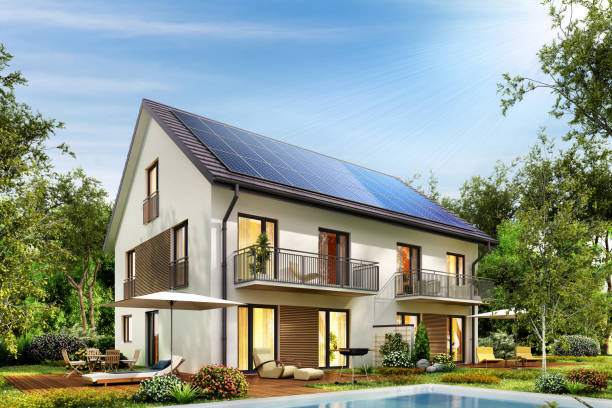
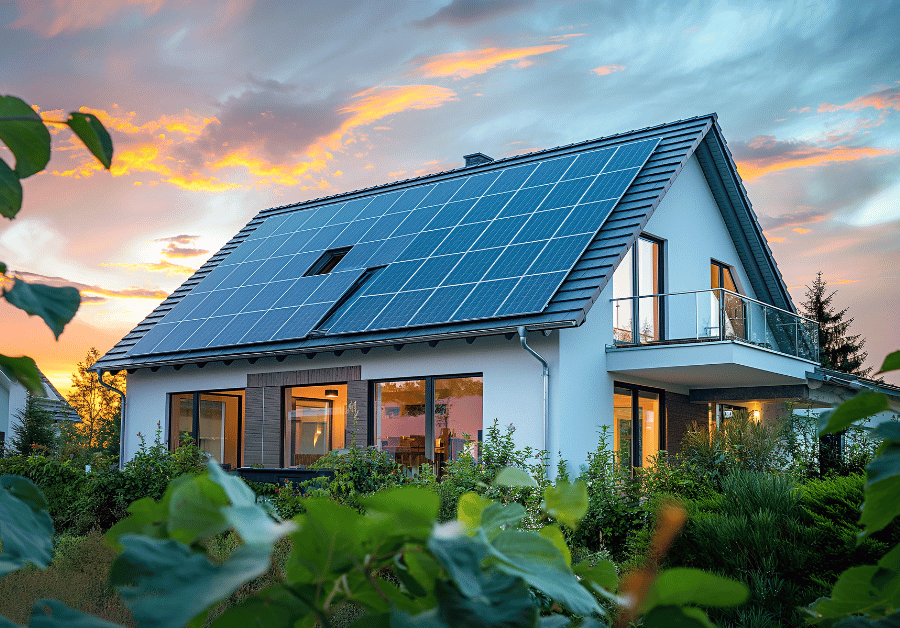
- Roof Space and Orientation: The available area on your roof, its angle (pitch), and its direction (north-facing is ideal in Australia). Panels can be installed in portrait or landscape orientation to make the best use of the available roof space, as noted by energy.gov.au.
- Shading Analysis: Identifying any obstructions (trees, chimneys, neighbouring buildings) that could cast shadows on your panels throughout the day and year. Even partial shading can drastically reduce a system's output.
- Structural Integrity: Ensuring your roof can support the weight of the solar panels and mounting equipment.
- Local Council Regulations: Checking for any specific planning overlays, heritage restrictions, or aesthetic guidelines that might impact installation in your area.
Optimising panel placement is an art and a science, ensuring maximum sun exposure and energy production.
Component Selection: Panels, Inverters, and Beyond
The quality and compatibility of your solar components are paramount for a reliable and efficient solar system. Key components include:
- Solar Panels: Monocrystalline vs. Polycrystalline vs. Thin-Film. Efficiency, degradation rates, and warranties are key considerations.
- Inverters: The brain of your system, converting DC electricity from panels to AC electricity for your home or the grid. Options include string inverters, micro-inverters, and hybrid inverters (essential for battery storage). The correct inverter capacity is critical for optimal performance, whether for a single phase or three phase supply.
- Mounting Systems: Ensuring secure and durable installation that can withstand Australia's harsh weather conditions.
- Cabling and Electrical Protection: High-quality electrical components are crucial for safety and efficiency.
Choosing reputable brands and components that are designed to work together is a hallmark of superior pv system design.
Grid-Connected vs. Off-Grid vs. Hybrid Systems
Your connection to the electricity network significantly impacts your pv system design:
- Grid-Connected PV Systems: The most common setup, where your solar system is connected to the main electricity grid. Excess energy can be exported to the grid, often earning feed-in tariffs. This requires careful consideration of solar grid connect pv design and adherence to network limits.
- Off-Grid Systems: Completely independent of the electricity grid, ideal for remote properties. These systems rely heavily on battery storage to provide power during the night or cloudy days, making the system size for both generation and storage critical.
- Hybrid Systems: Combine the benefits of both, offering grid connection with the added security of battery storage. This allows for energy independence while still having the grid as a backup and a way to export excess power.
Understanding these options is fundamental to tailoring the right pv system design for your specific needs and location.
The Role of Battery Storage: Powering Through the Night
Battery storage is rapidly becoming an integral part of modern pv systems, especially for grid-connected pv systems. While solar panels generate electricity during the day, batteries store surplus energy for use at night or during peak tariff periods. This significantly increases self-consumption and reduces reliance on the grid.
Key considerations for integrating battery storage into your pv system design include:
- Battery Capacity: Matching the storage capacity to your evening energy consumption.
- Battery Chemistry: Lithium-ion is currently the most popular choice due to its efficiency and lifespan.
- Inverter Compatibility: Ensuring your inverter can manage both solar generation and battery charging/discharging.
- Future Expansion: Designing a system that allows for additional battery modules if your energy needs grow.
For those looking to participate in programs like the Cheaper Home Batteries Program, SAA accreditation for GCBS “Install and design” is needed, highlighting the importance of proper battery storage for grid-connected pv systems design & install expertise.
Navigating Australian Regulations and Accreditation for PV Systems

Australia has robust standards and accreditation requirements to ensure the safety and quality of solar installations. Any reputable solar professional or company must adhere to these, making expertise in electrical engineering uee and related qualifications essential.
The Importance of Qualified Professionals
To legally and safely design and install solar systems in Australia, professionals must hold specific qualifications. This includes:
- UEE Certificate IV in Electrical Instrumentation: A foundational qualification for electrical work, often a prerequisite.
- Certificate IV in Electrical – Solar System Design & Install: Specific to solar, covering the design install and connection of grid-connected pv systems.
- Advanced Diploma of Engineering (Electrical UEE Advanced Diploma): For more complex projects, including those involving hazardous areas electrical uee.
- Diploma of Electrical Engineering or Diploma of Electrical Instrumentation: Providing comprehensive knowledge in electrical systems design and control engineering uee.
Courses like the Solar Grid Connect PV (Design + Install) course offered by institutions like PMV are crucial for electricians seeking Solar Accreditation Australia (SAA) accreditation for the Design & Installation of Grid-Connect PV Systems. This emphasis on training and accreditation ensures high standards across the industry.
Network Connection and Export Limits
Connecting your pv system to the grid requires approval from your local Distribution Network Service Provider (DNSP). Each network (e.g., Ausgrid, Energex, SA Power Networks) has specific rules regarding solar system size limits and export capacity. For example, a 6.6kW solar system is often a common size that meets most network requirements for a simple approval process. Understanding these limits is a critical part of the pv system design process to avoid delays or costly modifications.
Australian Rebates and Incentives
Australia offers various incentives to encourage solar adoption, primarily through Small-scale Technology Certificates (STCs). The value of these rebates depends on your location (solar energy zone) and the size of your system. Staying abreast of these programs is key for both designers and homeowners to maximise financial benefits.
The Design Process with Solarhub: Simplifying Complexity

At Solarhub, we understand that for solar retailers and installers, managing the entire project lifecycle, from lead generation to final installation, can be complex. Our platform is specifically designed to streamline the pv system design process and beyond:
| Feature | How Solarhub Supports PV System Design & Management |
|---|---|
| Lead Management | Track and nurture every opportunity, ensuring no potential solar client is missed. |
| Solar Proposals | Generate professional quotes with accurate calculations and visual designs, making complex pv system design easy to present. |
| Smart Integrations | Connect with tools like Facebook, Google Sheets, and landing pages to automate lead capture and data flow. |
| Job Scheduling | Calendar sync and appointment booking streamline site visits and installation schedules, crucial for efficient design install. |
| Team Management | Define roles, permissions, and facilitate seamless collaboration across your entire team, from sales to electrical instrumentation experts. |
With Solarhub, you replace messy spreadsheets, clunky CRM, and separate design tools with one beautiful, integrated system. This allows you to focus on what you do best: delivering exceptional solar system solutions to Australian customers.
Common Mistakes to Avoid in PV System Design

Even with the best intentions, certain pitfalls can compromise the effectiveness of a pv system design. Being aware of these can save significant time and money:
- Inaccurate Energy Assessment: Underestimating or overestimating energy needs leads to an incorrectly sized system.
- Ignoring Shading: Even minor shading can severely impact panel performance and overall energy production.
- Poor Component Matching: Using incompatible inverters and panels can lead to inefficiencies or even system failure.
- Neglecting Local Regulations: Failing to comply with network connection rules or council requirements can result in costly rework or rejection.
- Choosing Unqualified Installers: A brilliant design can be ruined by poor installation. Always ensure your team or chosen installer has the necessary uee certificate and SAA accreditation.
- Overlooking Future Needs: Not accounting for potential increases in energy consumption (e.g., electric car charging) can render a system inadequate prematurely.
Beyond Installation: Monitoring and Maintenance
Request a Free Solarhub Demo
A well-designed pv system is built for longevity, but its performance should be continuously monitored. Modern inverters and monitoring platforms provide real-time data on energy production, allowing you to identify any issues promptly. Regular maintenance, such as cleaning panels and checking electrical connections, ensures your system continues to operate at peak efficiency for its entire lifespan, typically 25+ years for panels.
Question 1: What is PV system design and why does it matter in Australia?
PV system design is the process of planning and configuring a solar power system to suit a property’s energy usage, roof structure, climate, and local regulations. In Australia, proper PV system design is essential due to diverse weather conditions, strict grid connection rules, and rebate requirements. A well-designed system maximises energy production, improves safety and compliance, and delivers stronger long-term financial returns.
Question 2: How is the right solar system size determined?
The correct solar system size is based on a detailed assessment of current and future electricity consumption, roof space, shading, and energy goals. A professional PV system design analyses electricity bills, load profiles, and planned upgrades such as EV charging or battery storage to ensure the system is neither oversized nor undersized—maximising efficiency and value.
Question 3: Do batteries need to be included in PV system design from the start?
While batteries are not mandatory, including them in the PV system design stage is highly recommended. Planning for battery storage ensures inverter compatibility, allows for future expansion, and improves self-consumption of solar energy. In Australia, battery-ready designs also help homeowners take advantage of rebate programs and reduce reliance on the grid.
Question 4: How does Solarhub help solar businesses manage PV system design and projects?
Solarhub supports PV system design by integrating design data with lead management, proposal creation, job scheduling, and team collaboration in one platform. This ensures accurate designs flow seamlessly into compliant installations and professional customer proposals, helping Australian solar retailers and installers save time, reduce errors, and scale their operations efficiently.
Ready to Power Your Future with Precision PV System Design?
Designing a solar system that truly meets your needs and maximises your investment is a complex undertaking, but with the right tools and expertise, it becomes a clear path to energy independence. From understanding your energy consumption and optimising panel placement to navigating Australian regulations and integrating advanced battery storage, every step of the pv system design process is critical.
At Solarhub, we are dedicated to empowering Australian solar businesses to deliver outstanding results. Our all-in-one platform streamlines every aspect of your operations, ensuring that every solar system you design and install is a testament to quality, efficiency, and customer satisfaction.
Don't let inefficient processes hold you back. Discover how Solarhub can transform your solar business and help you master every aspect of pv system design and project management.