Revolutionise Your Australian Solar Business with the Right Solar System Design App
G'day, Australian solar professionals! Are you still grappling with clunky spreadsheets, disparate CRM tools, and separate design software that just don't quite talk to each other? In a market as dynamic and competitive as Australia's, efficiency isn't just a bonus – it's a necessity. Imagine a world where designing a complex solar system, generating a professional proposal, and managing your entire sales pipeline happens seamlessly, all from one screen. That's the power of a dedicated, all-in-one solar system design app tailored for our unique Aussie landscape.
Here at Solarhub, we understand the challenges you face, from navigating ever-changing solar rebates and feed-in tariffs to ensuring precise inverter capacity and system size calculations for every home and commercial solar project across Sydney, Melbourne, Perth, Brisbane, Adelaide, and Hobart. This comprehensive guide will deep dive into why the right solar system design app is not just a luxury but a critical tool for your success, helping you surpass the competition and future-proof your business.
Why a Dedicated Solar System Design App is Essential for Australian Installers

The Australian solar market is a beast of its own, isn't it? We've got sunshine in spades, but also a complex web of state and federal incentives, diverse grid connection rules, and varying local council regulations. Relying on generic design software or manual calculations can lead to errors, delays, and ultimately, lost sales.
Navigating Australian Solar Complexities with Precision
- Localised Regulations: Every network (think Ausgrid, Energex, Western Power) has specific rules for export limiting and allowed system size limit, especially for single phase connections or larger kw system installations. A top-tier solar system design app integrates this crucial data, ensuring your proposals are compliant from the get-go.
- Accurate Energy Production Estimates: Australian weather patterns, even within the same state, can vary significantly. An advanced solar simulation software considers factors like local irradiance data, temperature, and specific shading patterns to provide realistic energy production forecasts. This builds trust and sets accurate customer expectations.
- Optimising for Rebates & Tariffs: Maximising the value of STCs (Small-scale Technology Certificates) and understanding the impact of varying feed-in tariffs is key to attractive system prices. Your solar design app should help you factor these into your financial modelling.
Beyond compliance, the sheer volume of work and the need for speed in the current market demand efficient system design and quotation processes. Manual methods are not only prone to human error but also consume valuable time that could be spent on sales and installation. A robust solar system design app automates many of these time-consuming tasks, giving you a significant competitive edge.
Beyond Basic Calculators: What a Top Solar System Design App Offers
Forget simple calculators that give you a rough estimate. Today's leading solar system design apps are sophisticated platforms designed to handle every nuance of a project.
Key Capabilities of Advanced Solar Design Tools:
- Detailed Shading Analysis: This is non-negotiable in Australia. Whether it's a neighbour's tree in a suburban backyard or a large industrial building, accurate shading analysis is critical. Apps like those providing 3D modelling can precisely map shadows throughout the day and year, allowing you to optimise solar panel placement for maximum energy production. This goes beyond what basic tools offer.
- Precise Inverter and Battery Sizing: Determining the right inverter capacity and the optimal solar battery storage for a given kw system is crucial. The best solar design software allows you to model different inverters (e.g., Fronius, SolarEdge) and batteries (e.g., Tesla Powerwall, LG Chem) to find the perfect match for the customer's electricity consumption and export goals. This includes considerations for single phase or three phase connections and how much power can be exported to the grid.
- Comprehensive PV System Design: From selecting the right solar panels and stringing them correctly to accounting for roof pitch and orientation, a powerful pv systemdesign software ensures every component works in harmony. It lets you visualise the entire solar array on the property, providing a clear picture for both you and your client.
- Financial Modelling and ROI: Customers want to know the return on their investment. A good solar system design app can calculate payback periods, savings on electricity bills, and the overall financial benefit, taking into account current solar system prices, solar rebates, and feed-in tariffs. This helps you present compelling solar proposals.
Key Features to Look for in an Australian Solar System Design App
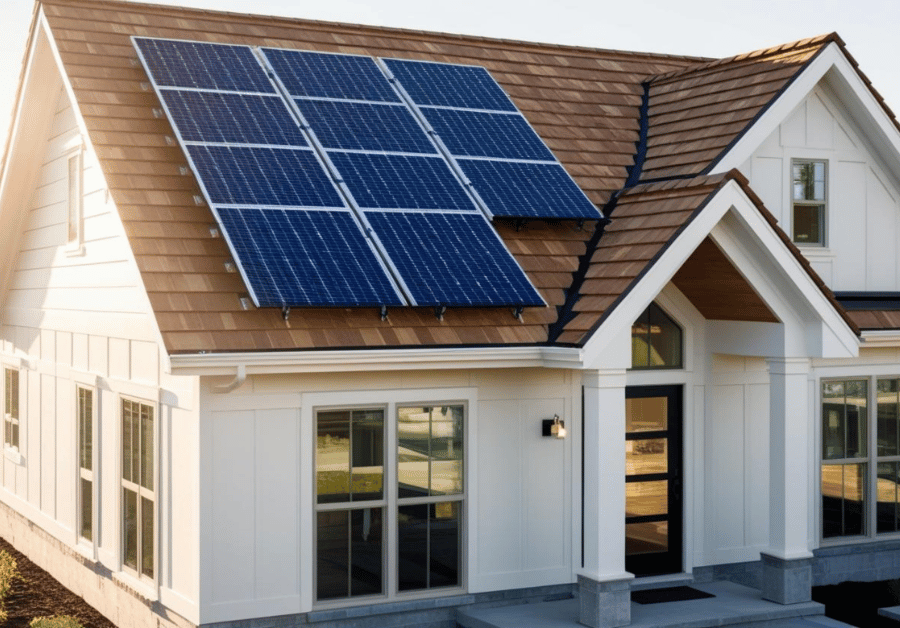
Choosing the right solar system design app can feel overwhelming with so many options out there. Here's a breakdown of the essential features that Australian installers should prioritise:
1. Localised Data & Regulations
The Australian energy landscape is unique. Your solar design app must:
- Incorporate local irradiance data for accurate energy production estimates specific to Australian cities.
- Account for state-specific solar rebates and STC calculations.
- Understand local network rules regarding system size limit, export limiting, and phase requirements (e.g., maximum kw system for single phase connections).
- Provide up-to-date feed-in tariff rates for different retailers and regions.
2. Comprehensive Design Tools
This is the core of any solar system design app. Look for:
- Intuitive drag-and-drop interface for solar panel placement on various roof types and angles.
- Automatic calculation of optimal stringing and wiring.
- Extensive library of Australian-available solar panels, inverters, and solar battery models, allowing you to specify exact components.
- Advanced shading analysis capabilities, often with 3D modelling, to identify and mitigate performance losses.
- Ability to design for both residential home and large-scale commercial solarprojects.
3. Performance Simulation & Analysis
Accurate forecasting is crucial for customer trust and project success:
- Robust solar simulation software that predicts monthly and annual energy production for your designed pv system.
- Detailed reports on performance ratios, losses due to temperature, dust, and shading.
- Capability to compare different pv systems configurations (e.g., with or without solar battery) to demonstrate benefits.
- Integration of real-time weather data for more accurate predictions.
4. Financial Modelling & Proposal Generation
Turn designs into compelling sales documents:
- Automatic calculation of system prices, including installation costs, solar rebates, and potential savings.
- Customisable solar proposals that are professional, branded, and easy for customers to understand.
- Inclusion of ROI, payback period, and environmental benefits.
- Integration of feed-in tariff rates to show expected earnings from exported electricity.
5. CRM & Sales Integration (The Solarhub Difference)
This is where many standalone solar design software falls short. An ideal solar system design app should:
- Offer comprehensive lead management to track and nurture every opportunity.
- Streamline sales appointments and site visits with integrated scheduling.
- Facilitate effective team management with roles, permissions, and collaboration tools.
- Automate email marketing and follow-ups to keep leads engaged.
- Provide data for performance analysis of your business operations.
Comparing Leading Solar Design Apps: What Sets Them Apart

You've likely heard of or even used some of the popular solar design software and tools available in Australia. Names like PVsyst, Helioscope, SolarProof, SolarEdge Designer, OpenSolar, GreenSketch, and SolarPlus often come up in discussions among installers. While each has its strengths, they often specialise in one aspect (e.g., detailed simulation or quick proposals) rather than offering a truly integrated solution.
Let's look at a simplified comparison of what you might find in the market versus an all-in-one platform like Solarhub:
| Feature | Typical Standalone Solar Design App | Solarhub (All-in-One Platform) |
|---|---|---|
| PV System Design & Layout | Strong, often highly detailed. Focus on technical accuracy. | Comprehensive & intuitive, designed for speed and accuracy for Australian conditions. |
| Shading Analysis | Excellent (e.g., PVsyst, Helioscope), but can be complex for quick quotes. | Integrated, user-friendly shading analysis for efficient design. |
| Localised Australian Data | Varies; often requires manual input or specific add-ons. | Built for Australia, with integrated solar rebates, feed-in tariff, and network rules. |
| CRM & Lead Management | Limited or non-existent; requires integration with separate software. | Fully integrated lead management, sales appointments, and team management. |
| Professional Proposals | Often requires exporting data to another program for customisation. | Generate professional, branded solar proposals directly from your designs. |
| Email Marketing & Automation | Typically not included; requires third-party tools. | Automated campaigns and follow-ups to nurture leads. |
| Job Scheduling & Project Management | Often external or basic. | Integrated calendar sync and appointment booking. |
| Overall User Experience | Can be steep learning curve; juggling multiple software. | Intuitive, streamlined, and efficient, saving you time and effort. |
The Solarhub Advantage: Your All-in-One Solar Design & Sales Powerhouse
At Solarhub, we believe your solar business deserves better than fragmented software and manual workarounds. We've developed a true all-in-one platform specifically for Australian solar retailers and installers to manage leads, design proposals, and run projects – all from a single screen.
Our integrated solar system design app functionality means you can:
- Design with Confidence: Quickly and accurately design solar systems for any scenario, from a standard home installation to a complex commercial solar project. Our design software handles everything from solar panels and inverter capacity to solar battery integration and shading analysis. You can specify the exact kw system and ensure it meets network requirements, including export limiting and system size limit for single phase or three phase connections.
- Generate Professional Solar Proposals: Turn your designs into stunning, detailed solar proposals with accurate system prices, energy production forecasts, and financial breakdowns. No more copying and pasting data between tools!
- Streamline Your Sales Process: Our platform integrates lead management, sales appointments, and automated email marketing to keep your pipeline full and moving forward. It’s a complete design and sales solution.
- Optimise Team Collaboration: With robust team management features, everyone from your sales reps to your installers is on the same page, with smart lead allocation and clear visibility of all projects.
- Stay Ahead of the Curve: As smart energy solutions, EV charging, and advanced solar batterysystems become more prevalent, Solarhub is designed to evolve with your business, helping you integrate these new technologies into your solar design and offerings.
Real-World Impact: How a Smart Solar System Design App Transforms Your Business
Let's consider a common scenario for an Australian solar installer. Before adopting an integrated solar system design app, your team might spend hours on a single lead:
- Manual site visit to assess shading and roof dimensions.
- Using a basic solar design software for a rough pv system layout.
- Calculating inverter capacity and system size (e.g., kw system) with a separate spreadsheet.
- Looking up current solar rebates, feed-in tariffs, and network rules on various government websites (like energy.gov.au).
- Manually creating a proposal document, copying figures and images.
- Logging customer interactions in a separate CRM.
This fragmented approach is not only inefficient but also increases the risk of errors, especially when dealing with specific requirements like export limiting or single phase connections. It impacts your overall system prices and competitiveness.
Now, imagine transforming this process with an integrated solar system design app like Solarhub:
- Faster Quoting: Quickly design a fully compliant solar system, including solar panels, inverter, and solar battery options, directly on a high-resolution map of the customer's property. The software automatically factors in shading analysis and local regulations.
- Accurate Proposals: Generate a detailed, branded solar proposal in minutes, complete with accurate energy production forecasts (thanks to advanced solar simulation software), financial breakdowns, and all relevant compliance data.
- Improved Customer Experience: Present clear, professional proposals that instill confidence. Your ability to answer questions about kw solar system prices, energy production, and solar rebates on the spot is a game-changer.
- Increased Sales: By reducing the time from lead to proposal, you can handle more opportunities and close deals faster, boosting your overall business growth.
- Reduced Errors: Automation minimises human error, ensuring your designs are compliant and your energy production estimates are reliable. This builds your reputation for trustworthiness and expertise.
This efficiency isn't just about saving time; it's about empowering your team to focus on what they do best: providing excellent service and installing high-quality solar systems across Australia.
Future-Proofing Your Solar Business with Advanced Design Tools
Book a Live Demo and See Solarhub in Action
The solar industry is constantly evolving. What's cutting-edge today might be standard tomorrow. From the rise of smart energyhomes to the increasing demand for EV charging solutions and sophisticated VPP (Virtual Power Plant) integration, your solar system design app needs to be ready for the future.
A forward-thinking platform will allow you to:
- Design integrated solar and batterysystems that cater to increasing demand for energy independence and grid stability.
- Incorporate EV chargers and smart load management into your solar design, offering comprehensive smart energysolutions to your clients.
- Adapt to new technologies and regulations quickly, ensuring your business remains competitive and compliant.
- Utilise advanced data analysis and monitoring capabilities to refine your offerings and improve customer satisfaction.
By investing in a robust solar system design app that offers integrated tools and future-proof functionality, you're not just buying software; you're investing in the longevity and growth of your business.
Question 1: What makes a solar system design app different from traditional solar design software?
A solar system design app goes far beyond basic layout tools or calculators. It integrates design, shading analysis, CRM, proposal creation, financial modelling, and compliance checks into a single platform. Unlike standalone software, an all-in-one design app helps Australian installers manage their entire workflow—from lead to installation—on a single screen, saving time and reducing costly errors.
Question 2: How does a solar design app help with Australian regulations and STC calculations?
A high-quality Australian-focused solar design app automatically incorporates local energy network rules, export limits, system size restrictions, STC calculations, and state-based rebates. This ensures every design is compliant with guidelines from networks like Ausgrid, Energex, and Western Power, while also helping installers maximise rebates and provide accurate, transparent pricing to customers.
Question 3: Can a solar system design app improve my sales conversion rates?
Yes dramatically. By enabling fast, accurate system designs and generating professional, data-backed proposals within minutes, a solar system design app helps you respond faster to leads and build customer confidence. Features like CRM integration, automated follow-ups, and financial modelling also create a smoother sales journey, increasing the likelihood of closing deals.
Question 4: Is a solar design app useful for both residential and commercial solar projects?
Absolutely. A robust solar system design app allows you to design for homes, businesses, and large commercial installations. With tools for 3D shading analysis, inverter and battery sizing, single/three-phase modelling, and detailed energy production forecasts, it provides the accuracy and flexibility required for projects of any size across Australia.
Ready to Transform Your Solar Business?
In the competitive Australian solar market, having the right solar system design app isn't just about drawing pretty pictures; it's about efficiency, accuracy, compliance, and ultimately, closing more deals. By embracing an all-in-one platform that integrates powerful solar design software with robust CRM and sales tools, you can streamline your entire operation, from lead generation to project completion.
Stop juggling multiple software and start working smarter. Solarhub is built by Australians, for Australian solar retailers and installers, to give you everything you need in one beautiful, integrated system.
Ready to experience the future of solar sales and design? Discover how Solarhub can empower your business to grow, thrive, and lead the way in Australia's renewable energy revolution.