The Ultimate Guide to Software PV Systems for Australian Solar Businesses
In Australia's booming solar industry, staying ahead means embracing innovation. For solar retailers and installers across Sydney, Melbourne, Brisbane, Perth, Adelaide, and Hobart, the days of juggling messy spreadsheets and disparate tools are rapidly becoming a thing of the past. The secret to unlocking unparalleled efficiency, ensuring compliance, and scaling your operations lies within a robust software PV system.
This comprehensive guide will delve into why an integrated software PV system isn't just a luxury, but a critical investment for any Australian solar business striving for excellence. We'll explore how these powerful platforms streamline everything from lead management and professional solar proposals to project execution and compliance with the Clean Energy Council's rigorous standards. Get ready to transform your approach to solar energy, enhance your energy production, and secure your place in Australia's exciting clean energy future.
Why an Integrated Software PV System is Essential for Australian Solar
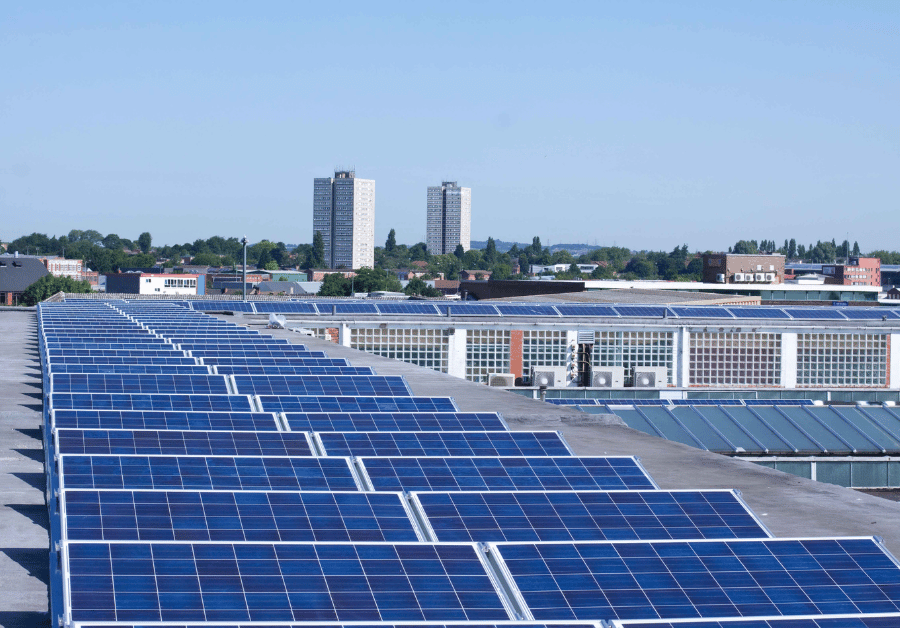
Australia is a global leader in solar adoption, driven by abundant sunshine and a strong commitment to renewable energy. Millions of Australian households and businesses have already installed rooftop solar PV systems, and this growth shows no signs of slowing down. The government's initiatives, like the Solar Sunshot program, further underscore the industry's importance and potential. However, this dynamic landscape also presents unique challenges:
- Complex Project Management: From initial inquiry to final installation, solar projects involve numerous stages, stakeholders, and regulatory checks.
- Accurate Design & Quotation: Providing precise energy production estimates and professional proposals is paramount for winning client trust.
- Regulatory Compliance: Navigating the Clean Energy Council accreditation, REC Registry, and various state-specific requirements can be daunting.
- Competitive Market: Businesses need to be agile, responsive, and efficient to stand out.
This is where a dedicated software PV system steps in as your ultimate solution. By centralizing all your operations, it eliminates silos, reduces manual errors, and frees up your team to focus on what they do best: delivering exceptional solar solutions. An integrated platform ensures that every aspect of your business, from initial customer interaction to post-installation support, is managed with precision and efficiency. It’s about more than just software; it’s about establishing best practice across your entire operation, fostering professional development, and driving sustainable growth in the clean energy sector.
Streamlining Your Operations with a Smart PV Software System
A truly effective software PV system acts as the central nervous system for your solar business, integrating critical functions into one seamless platform:
- Lead Management & CRM: Say goodbye to scattered contact lists. A robust software PV system allows you to track and nurture every lead, from initial inquiry to closed deal. Features like automated follow-ups, lead allocation, and sales appointments management ensure no opportunity is missed. This is crucial for maintaining a healthy sales pipeline and converting prospects into loyal customers.
- Accurate Solar Proposals & Design: This is where the technical prowess of a software PV system truly shines. Integrated solar simulation software, such as PVsyst or Helioscope (which we'll compare shortly), allows your team to perform detailed energy production analysis, factoring in crucial elements like shading, pv modules, and inverter specifications. The result? Professional, data-backed proposals that instill confidence and clearly articulate the value proposition of a new pv system, potentially including solar battery storage.
- Compliance & Accreditation: For Australian solar businesses, compliance isn't optional. A good software PV system helps ensure your designs and installations adhere to Clean Energy Council guidelines and that projects remain eligible for STCs (Small-scale Technology Certificates). It can assist with generating necessary documentation for solar accreditation Australia and streamline interactions with the REC Registry, mitigating risks and protecting your business.
- Project Management & Installation: From job scheduling and calendar sync to team management with defined roles and permissions, a comprehensive software PV system ensures installations run smoothly. It helps manage resources, track progress, and maintain high standards of electrical safety, leading to satisfied customers and positive reviews.
Key Features to Look for in a Software PV System for the Australian Market
When selecting a software PV system, Australian solar businesses need to consider features specifically tailored to our unique market:
- Australian-Specific Regulations & Rebates: Your chosen platform should be built with an understanding of the Australian regulatory framework, including the Small-scale Renewable Energy Scheme (SRES), state-based incentives, and the Clean Energy Council's approved product lists for pv modules and inverters. This ensures your designs are compliant and your customers can access all eligible benefits.
- Robust Integration Capabilities: A truly powerful software PV system integrates seamlessly with other essential business tools. Think connections to Facebook for lead generation, Google Sheets for data analysis, and various landing page platforms. This 'smart integrations' approach centralizes data and prevents information silos, enhancing your overall energy reporting capabilities.
- User-Friendly Interface & Support: The best software PV system in the world is useless if your team can't easily use it. Look for intuitive design that allows the user to quickly learn and master the platform. Comprehensive training, ongoing professional development resources, and responsive customer support are non-negotiable for smooth adoption and long-term success.
- Scalability for Growth: As your business expands, your software PV system should be able to grow with you. Whether you're a small local installer in Perth or a rapidly expanding enterprise across multiple states, the platform should accommodate increased users, projects, and data without compromising performance.
Deep Dive into PV Simulation Software: PVsyst vs. Helioscope and Beyond
At the heart of accurate solar proposal generation lies sophisticated solar simulation software. These tools are indispensable for predicting energy production, optimizing system design, and ensuring financial viability. In the Australian solar industry, two names frequently dominate the conversation: PVsyst and Helioscope.
PVsyst vs. Helioscope: A Comparison for Australian Professionals
Both PVsyst and Helioscope are considered industry standards for pv system design and energy analysis. Here's a brief comparison:
| Feature | PVsyst | Helioscope |
|---|---|---|
| Primary Use | Detailed, bankable energy yield analysis & research | Rapid, accurate design & sales proposals |
| User Interface | More complex, steeper learning curve | Intuitive, web-based, easier to learn |
| Shading Analysis | Highly detailed 3D modeling, advanced loss calculations | Effective 3D modeling, robust for most commercial/residential |
| Module & Inverter Database | Extensive, user-customizable | Comprehensive, regularly updated |
| Cost | Perpetual license (higher upfront) | Subscription-based (lower upfront, ongoing) |
| Integration with CRM | Limited direct integration | API available, better for integrated workflows |
For many Australian solar businesses, especially those focused on residential and light commercial projects, a software PV system that integrates with tools like Helioscope can offer a significant advantage in speed and sales conversion. However, for large-scale energy projects or in-depth technical validation, PVsyst remains a go-to for its granular detail. The key is finding a software PV system that either natively includes robust solar simulation software or integrates seamlessly with your preferred tool, ensuring best practice in every design.
Navigating Australian Regulations and Incentives with Your Software PV System

Operating in the Australian clean energy market means navigating a specific set of regulations, standards, and incentive programs. A powerful software PV system can be your most valuable asset in ensuring continuous compliance and maximizing financial benefits for your customers.
- Clean Energy Council Guidelines & Accreditation: The Clean Energy Council (CEC) is the peak body for clean energy in Australia, setting industry standards and managing solar accreditation Australia. Their Best Practice Charter and New Energy Tech Consumer Code (NETCC) are vital for maintaining consumer protection and industry integrity. A good software PV system will help you adhere to these standards, from ensuring approved pv modules and inverters are specified to generating compliant documentation for your pv systems.
- Government Programs & Incentives: Australia offers various programs to support renewable energy adoption. The Small-scale Renewable Energy Scheme (SRES) allows households and small businesses to generate Small-scale Technology Certificates (STCs), which can reduce the cost of installing a solar PV system. Programs like the Cheaper Home Batteries Program also provide incentives for integrating solar battery storage. Your software PV system should be able to assist in calculating STCs, tracking eligibility, and preparing necessary information for the REC Registry, making sure your clients benefit fully.
- Electrical Safety & Standards: Beyond the CEC, adherence to Australian electrical safety standards (e.g., AS/NZS 5033) is paramount. While the software PV system itself doesn't replace the need for qualified electricians, it can provide tools and checklists to ensure best practice design principles are followed, minimizing risks associated with electrical safety.
The Future of Solar: How Software PV Systems Drive Innovation
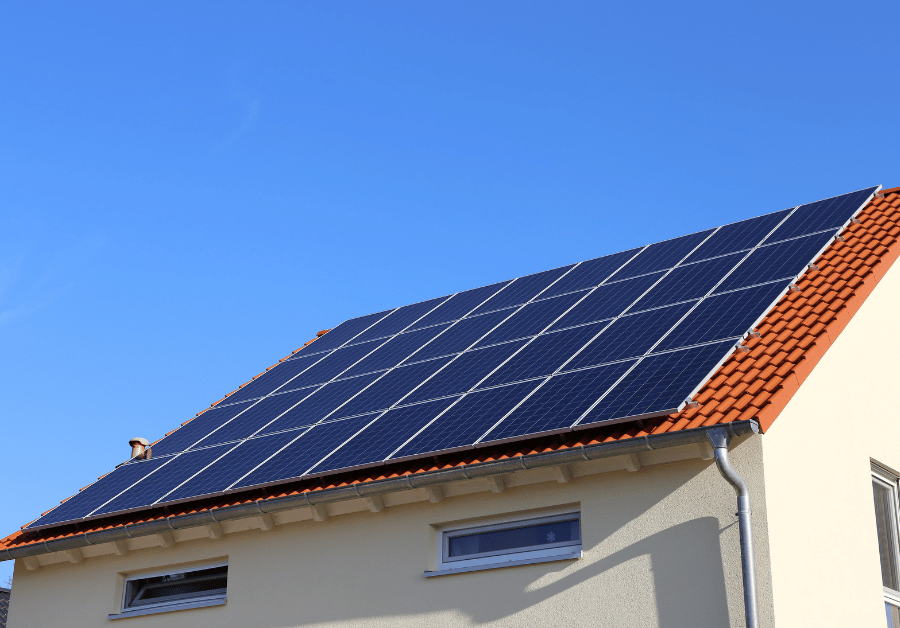
The Australian energy future is undeniably renewable, and software PV systems are at the forefront of this transformation, enabling new technologies and business models.
- Solar Battery Integration & Virtual Power Plants (VPPs): The rise of solar batteries is revolutionizing how Australians consume and manage their clean energy. A sophisticated software PV system can seamlessly design and model solar battery storage solutions, showcasing potential savings and resilience. Furthermore, it can help manage data for participation in Virtual Power Plants (VPPs), where coordinated behind-the-meter solar PV and solar batteries act as a single power source, contributing to grid stability and unlocking new revenue streams for consumers.
- Advanced Data Analytics & Reporting: Beyond basic energy production estimates, modern software PV system platforms offer advanced energy analysis and reports. This data provides invaluable insights into system performance, identify potential issues, and optimize future designs. For businesses, this means better internal processes, more accurate forecasting, and a stronger competitive edge in the energy sector.
- Continuing Professional Development & Learning: The solar industry is constantly evolving. A comprehensive software PV system often includes or links to resources for continuing professional development, offering tailored courses and a renewables learning plan. This helps solar professionals stay updated on new technologies, best practice, and regulatory changes, ensuring they remain at the peak of their expertise.
Choosing the Right Software PV System: A Solarhub Perspective
Get Started With Smarter Solar Management
Navigating the array of software options can be overwhelming. For Australian solar retailers and installers, the key is to find a software PV system that truly understands and addresses the unique demands of the local market. This is precisely where Solarhub excels.
Solarhub is purpose-built as the all-in-one platform for Australian solar retailers and installers. We replace your messy spreadsheets, clunky CRM, and separate design tools with one beautiful, integrated system. Our platform is designed to make sure you have everything you need, from a single screen:
- Lead Management: Track and nurture every opportunity with smart routing and assignment rules, ensuring no lead is ever lost.
- Solar Proposals: Generate professional quotes with accurate calculations, incorporating solar simulation data for compelling presentations.
- Email Marketing: Launch automated campaigns & follow-ups to engage prospects and maintain customer relationships.
- Smart Integrations: Connect seamlessly with platforms like Facebook, Google Sheets, and your landing pages for a unified workflow.
- Job Scheduling: Efficiently manage installations with calendar sync & appointment booking, optimizing your team's time.
- Sales Appointments: Streamline the management of meetings & site visits, ensuring clear communication and preparation.
- Team Management: Define roles, permissions & foster collaboration across your entire organization.
- Accreditation & Compliance: Tools to help you meet Clean Energy Council standards and manage requirements for eligible for STCs, simplifying your path to compliance.
We understand the nuances of the Australian solar industry, from the specifics of the REC Registry to the importance of consumer protection. Solarhub provides a robust foundation for your business to thrive, helping you find efficiencies and drive growth in the renewable energy market.
Question 1: How can a software PV system improve efficiency for Australian solar businesses?
A software PV system centralises everything from lead management and proposal creation to job scheduling and compliance. By replacing spreadsheets and disconnected tools, it streamlines workflows, reduces manual errors, speeds up sales processes, and helps Australian solar teams deliver consistent, high-quality customer experiences.
Question 2: What should Australian installers look for in a high-quality software PV system?
Look for features tailored to the Australian market, including Clean Energy Council (CEC) compliance tools, STC calculation support, integration with solar simulation software like PVsyst or Helioscope, CRM and project management functions, smart integrations (Facebook, Google Sheets, landing pages), and scalability to grow with your business.
Question 3: How does simulation software like PVsyst or Helioscope fit into a software PV system?
Simulation tools provide the detailed energy modelling and shading analysis needed for accurate solar proposals. When integrated into a software PV system, they enhance your design accuracy, improve proposal quality, and help present data-driven insights to customers. This leads to higher conversion rates and stronger trust in your recommendations.
Question 4: How does Solarhub differ from other software PV systems in Australia?
Solarhub is an all-in-one platform built specifically for Australian solar retailers and installers. It combines CRM, proposal generation, calendar scheduling, team management, email marketing, compliance tools, and integrations—all in one place. Unlike standalone design software, Solarhub gives you complete operational control from lead to installation.
Ready to Transform Your Australian Solar Business?
The Australian solar market is vibrant, competitive, and full of opportunity. To truly thrive, your business needs more than just good intentions; it needs a powerful, integrated software PV system that simplifies complexity, enhances efficiency, and ensures compliance. Embrace the future of solar management and empower your team with the tools they need to succeed.
Stop wrestling with outdated systems and start experiencing the streamlined power of a purpose-built platform. Discover how Solarhub can integrate all your sales, design, and project management needs into one intuitive solution, specifically designed for the Australian solar industry.