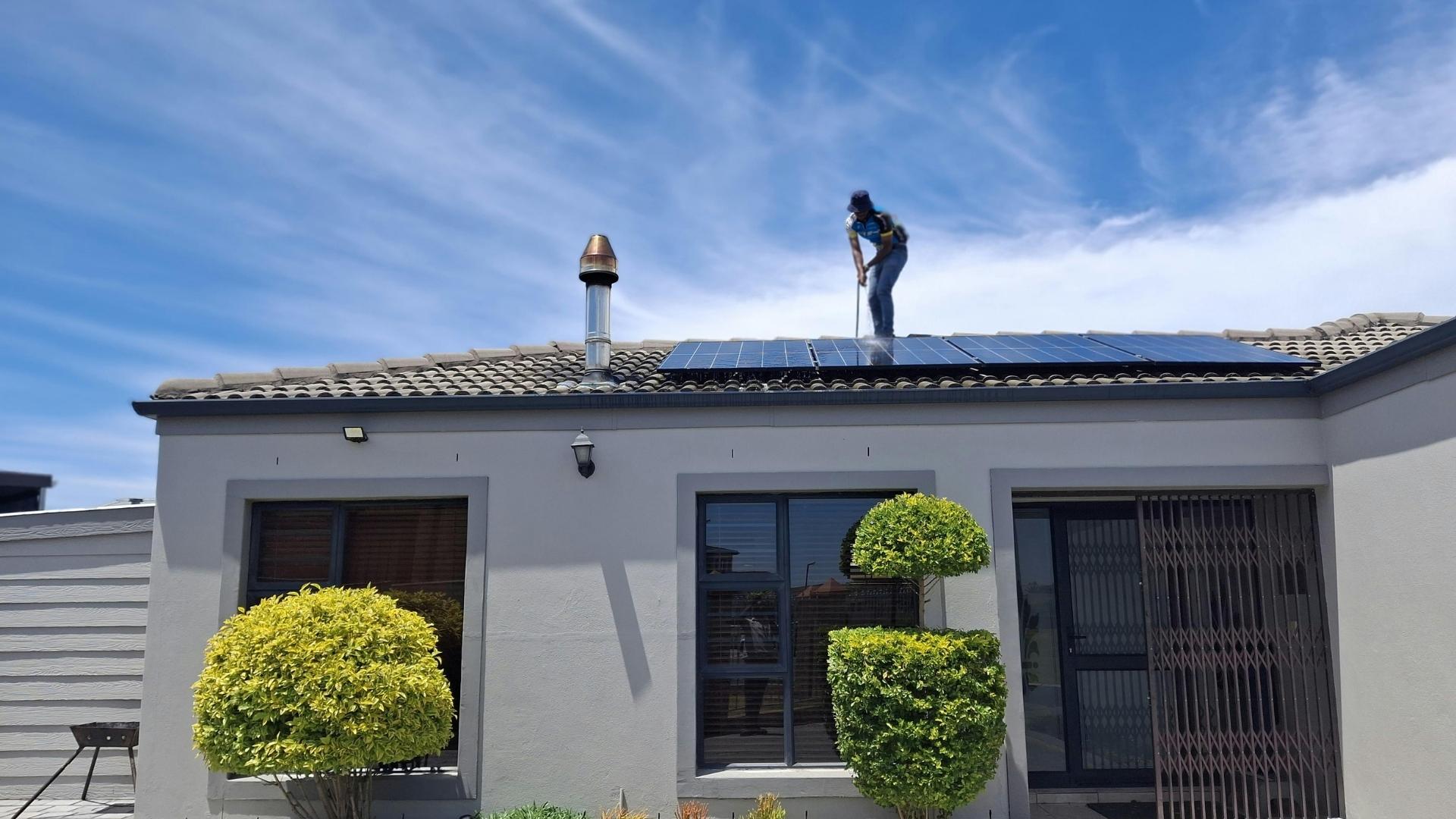
Solar Battery Retrofit Software: Empowering Australian Installers to Lead the Storage Revolution
The Australian energy landscape is shifting at a breakneck pace. With electricity bills rising and feed-in tariffs (FiTs) dwindling, homeowners in Sydney, Melbourne, Brisbane, and beyond are no longer satisfied with just solar panels. They want energy storage. According to recent industry data, Australia's battery market grew by over 55% last year, with a significant portion of that growth coming from solar battery retrofit projects on existing systems.
For solar retailers and installers, this presents a massive opportunity but also a technical challenge. How do you accurately predict savings? How do you ensure compatibility between an old inverter and a new solar battery? The answer lies in professional solar battery retrofit software. In this guide, we explore how the right software can transform your business, ensuring every renewable energy project you touch is profitable, compliant, and high-performing.
What is Solar Battery Retrofit Software?
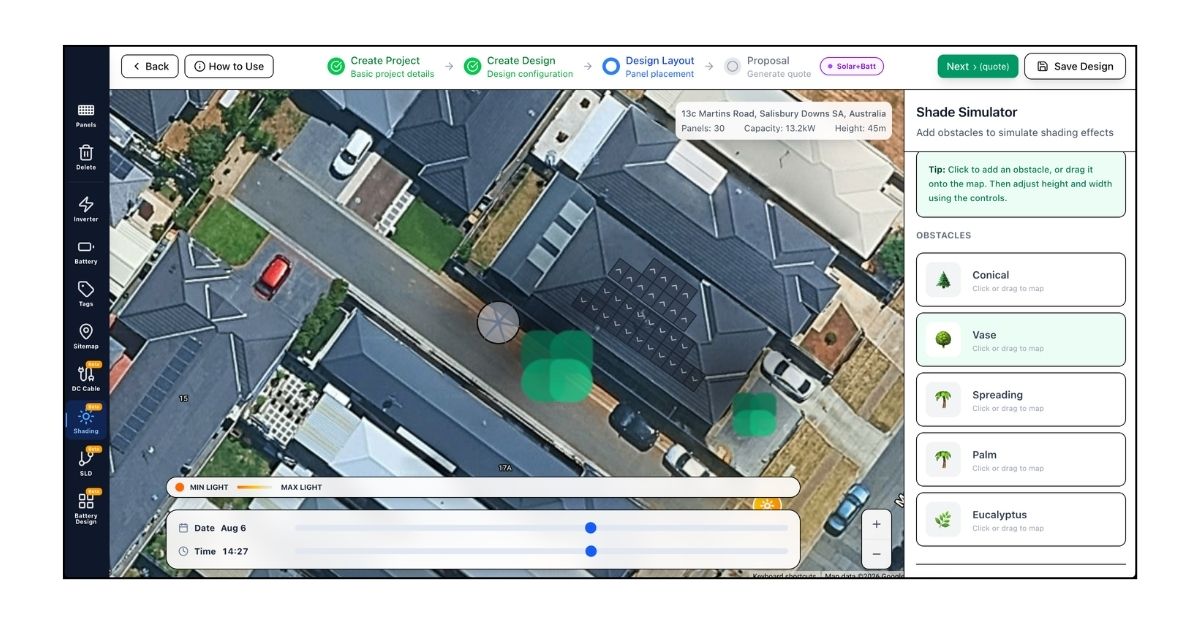
Solar battery retrofit software is a specialized digital tool designed to help solar professionals model, design, and sell battery storage systems that are added to existing solar PV installations. Unlike a "new-build" design, a retrofit requires the software to account for existing solar energy production data, current electricity bills, and the technical specifications of the installed solar system. Utilizing an integrated solar proposal software tool allows project teams to cleanly overlay historical generation metrics against prospective storage sizing parameters.
Whether you are dealing with a Fronius Gen inverter or an older string system, the software acts as the brain of the operation. It calculates energy management strategies, determines the best battery storage capacity (in kw kw), and provides the customer with a realistic expectation of their backup power capabilities during a grid outage.
The Shift from Solar-Only to Solar-Plus-Storage
In the early days of the clean energy boom, the focus was purely on solar power generation. Today, the focus has shifted to self-consumption. Australian consumers are looking for ways to use their dc energy at night. This has led to a surge in demand for storage systems. However, retrofitting isn't as simple as "plug and play." It requires precise dc measurement and energy metering to ensure the new solar batteries integrate seamlessly with the existing hardware.
Key Features of High-Quality Retrofit Software

When choosing solar battery retrofit software for your Australian business, look for these essential features:
- Advanced Financial Modelling: The ability to calculate NPV, IRR, and payback periods based on per quarter electricity costs.
- Technical Compatibility Libraries: A database of approved inverters and lg batteries or sigenergy products.
- Shading and Production Analysis:精确 solar pv production estimates using local Australia weather data.
- Dynamic Proposal Generation: Creating professional, branded quotes that explain kw kw kw capacity in simple terms.
- Compliance Integration: Direct links to guidelines and safety alerts.
The Importance of DC Power and Metering
A critical component of any retrofit is understanding the dc power flow. High-end software will often integrate with a dc power meter or dc energy monitor to provide real-time data. If a solar system is only measured after AC conversion, you lose valuable insights into the efficiency of the energy storage system. Professional software accounts for these conversion losses, providing a more accurate buyers guide for the consumer. Field engineering teams can map these conversion variables seamlessly on a tablet by deploying a localized solar sales app framework directly at the customer's property line.
Why Australian Solar Retailers Need Specialized Software
The Australian market is unique. We have specific regulations from compliance bodies, various state-based rebates, and a climate that can be harsh on battery storage hardware. Using generic, international software often leads to inaccuracies in energy management calculations.
1. Navigating Installer Licensing and Hardware Guidelines
In Australia, all renewable energy systems must meet strict structural standards. It is vital to note that system designers and deployment technicians must hold full active registration with Solar Accreditation Australia (SAA), the regulatory entity that manages installer licensing. Meanwhile, the Clean Energy Council (CEC) continues to oversee the verified solar module, component, and inverter compliance registries. Professional software like SolarHub CRM ensures that the components you select are fully aligned with these active national guidelines, ensuring your customers remain completely eligible for point-of-sale incentives.
2. Managing Hardware Safety and Replacements
Safety is paramount. The legacy accc warnings regarding affected lg batteries highlight the need for robust historical data tracking and customer communication templates. A centralized platform allows you to identify which historical clients possess affected lg units and coordinate the active contact lg or battery replacement workflows efficiently. This level of professional record management builds immense trust with your client base.
3. Optimizing for the Fronius Gen Plus and Beyond
Many Australian homes are equipped with high-quality inverters like the Fronius Symo or the newer Fronius Gen Plus. Retrofitting a battery to a Fronius Gen system requires specific software parameters to enable full backup capabilities safely. The right design tool will show you exactly how to wire the smart power meter and configure the settings for optimal backup power distribution. Accessing a dedicated solar system design software application guarantees string matching and electrical tolerances remain completely stable.
Comparison: Manual Design vs. Solar Battery Retrofit Software
| Operational Feature | Manual Process (Spreadsheets) | Integrated SolarHub CRM Platform |
|---|---|---|
| Design Sizing Time | 2-4 Hours of manual plotting | 15-20 Minutes automated output |
| Calculation Accuracy | Prone to human formula errors | High (Data-driven simulation) |
| Financial Yield ROI | Estimated / Vague projections | Precise NPV, IRR, and payback tables |
| Hardware Compliance | Manual validation of SAA/CEC lists | Automated internal database check |
| Consumer Presentation | Low-conversion text quotes | High-conversion branded proposals |
Step-by-Step: Designing a Retrofit with Modern Software
How does the process actually look when you use an optimized workspace? Here is the typical workflow for an active Australian solar enterprise:
- Data Capture: Import the customer's raw interval meter data or pull smart estimates to establish their baseline solar pv generation curves and seasonal consumption habits.
- Site Analysis: Utilize high-resolution mapping tools to survey the pre-existing solar array architecture. Check thoroughly for any micro-shading variances introduced by expanding vegetation or regional development across locations like Hobart or Adelaide.
- Component Selection: Pair a designated storage unit that mirrors the operating thresholds of the primary inverter block. If retrofitting an active Symo Gen setup, the layout tool will instantly map string configurations against a Fronius Gen Plus path or an equivalent DC-coupled storage option.
- Simulation: Execute a full 365-day localized yield calculation engine to map battery state-of-charge patterns across shifting winter and summer load lines. This safely pinpoints the ideal capacity tier.
- Proposal Generation: Compile a clear, customer-facing proposal deck complete with optional EV chargers, backup circuit profiles, and your standard legal terms. Centralizing this flow into a unified solar CRM for installation teams ensures that field sales configurations translate directly into clean installation directives.
The Role of Electric Vehicle (EV) Charging in Retrofits
Electric vehicle infrastructure is rapidly becoming a leading catalyst for secondary battery attachments. Customers across Perth and Melbourne are increasingly requesting smart home systems that can intelligently divert excess solar arrays into vehicle batteries rather than letting it bleed into low-value grid export lines. Modern software allows you to introduce EV load blocks directly onto the primary consumption graphs, displaying visually how a storage unit can offset both domestic power bills and vehicle fuel parameters. Leading setups like sigenergy configurations even support advanced software-defined bidirectional optimization paths, giving your sales reps a high-value commercial edge.
Overcoming Common Challenges in the Battery Market
The battery marketplace is fiercely competitive. Retaining healthy margins requires companies to pivot away from simple pricing wars and instead compete on technical authority, execution clarity, and clear customer pipeline care. Centralizing these relationship tracking flows into an engineered solar lead management system keeps your entire sales network running smoothly without tracking losses.
Managing Data and Monitoring
One of the biggest hurdles is data management. Once a system is installed, how do you know it's performing? Professional software includes monitoring portals where both the installer and the homeowner can see real-time energy metering. This proactive approach to energy management reduces contact requests and improves customer satisfaction.
Addressing Power Quality and Grid Issues
In some parts of Australia, local grid voltage rise can cause inverters to throttle output. High-quality engineering design engines allow technicians to pre-model power quality profiles and establish correct reactive power thresholds on approved inverters before deploying hardware. This practical approach avoids costly on-site warranty callouts, keeping operations highly profitable.
Why Trust SolarHub CRM for Your Retrofit Needs?
At SolarHub CRM, our workspace architecture is engineered directly around the structural realities of operating an active Australian solar enterprise. Having partnered with over 250 renewable retail brands across the country, we have meticulously built our calculation libraries to match SAA guidelines, state structural codes, and real-world billing engines perfectly.
Frequently Asked Questions (FAQ)
Can I retrofit a battery to any pre-existing solar system?
How much does solar battery retrofit software cost?
Can I utilize the engine to model commercial-scale retrofit storage?
Conclusion: Scaling Your Solar Business with Confidence
The solar and battery retrofit market in Australia is positioned for sustained long-term expansion. To keep pace, installation teams must abandon fractured, manual quoting routines and move toward data-backed, integrated tools. By executing designs inside a specialized engine, you guarantee perfect engineering margins, eliminate technical error risks, and supply consumers with honest, clear solutions that perform flawlessly over decades.
SolarHub CRM
Phone: 1300 651 844
Email: [email protected]
Address: Suite 1A, Level 2, 80 Clarence Street, Sydney NSW 2000
Ready to Centralise Your Solar Engineering, Storage Design, and Sales Pipeline on One Interface?