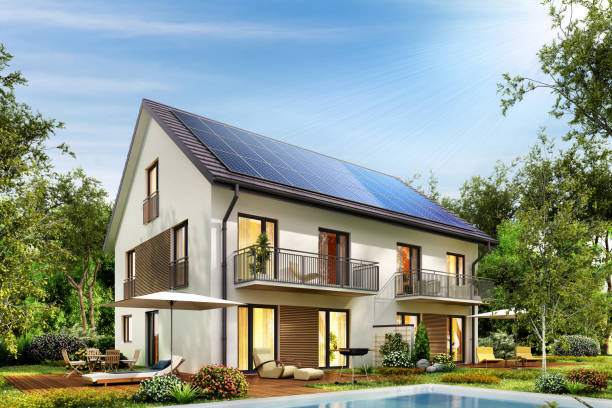
Mastering Solar System Design: The Complete Guide for Australian Professionals
Australia is currently witnessing a renewable energy revolution. With some of the highest solar radiation levels in the world, the demand for high-quality solar system design has never been greater. Whether you are a seasoned installer, a business owner looking into commercial solar, or an aspiring designer undertaking a phone course or training, understanding the intricacies of solar pv systems is vital for long-term performance and safety.
In this guide, we will explore the essential elements of modern solar designs, the regulatory landscape in Australia, and how tools like SolarHub CRM are transforming the way design and install teams operate. If you are ready to complete this form to learn more, please provide your name your email phone number so our team can reach out. Note: to view our interactive tools, please enable javascript in your browser to complete the experience.
The Importance of Professional Solar System Design
A solar system is more than just a collection of solar panels on a roof. It is a complex electrical power plant that must operate safely for 25+ years. Professional solar system design ensures that the system is optimized for the specific location, orientation, and energy needs of the client. Poor design leads to reduced energy yields, increased maintenance costs, and potential safety hazards. Utilizing an integrated solar proposal software tool allows design teams to model these hardware characteristics seamlessly before presenting a single engineering scope to a prospective client.
 In cities like Brisbane, Sydney, and Perth, factors such as salt mist corrosion, high temperatures, and cyclone ratings (in the north) must be factored into every systems design. This is why saa accredited designers are highly sought after in the australian market.
Key Components of a Grid-Connected PV System
Most residential and commercial solar installations in Australia are grid connected. A well-engineered grid connected solar pv system includes several critical components:
- Solar PV Modules: High-efficiency panels that convert sunlight into DC electricity.
- Inverters: The heart of the solar power system, converting DC to AC.
- Mounting Systems: Ensuring the installation is secure under asnzs standards.
- Monitoring: Systems that track energy production in real-time.
- Solar Battery Storage: Increasing self-consumption by storing excess power.
Grid-Connected PV Systems Design and Installation
Designing grid connected pv systems requires a deep understanding of electrical theory. Designers must calculate string voltages, ensure current limits aren't exceeded, and manage voltage rise within the electrical installation. For those looking to enter the industry, a uee certificate iii or a specific solar design course is often the preferred starting point for training. Managing this complex journey from an initial operational discovery call down to engineering compliance sign-off is best handled within a dedicated solar CRM for installation teams to guarantee zero technical communication drops.
The Role of Battery Storage in Modern Design
The solar battery market is booming. As feed-in tariffs fluctuate across Australia, adding battery storage to a solar pv design allows homeowners to maximize their electricity savings. When you design solar with storage, you must consider the discharge rates, depth of discharge (DoD), and the location of the batteries for thermal stability.
Whether you are looking at platinum solar designs or bespoke residential solutions, integrating a battery requires a sophisticated design solar approach to ensure the grid connect interface works seamlessly during a blackout. Field engineers can quickly drop pre-configured battery lines right onto property layout maps by deploying an active solar system design software application directly during a structured building assessment window.
Commercial Solar Power: A Different Scale
Commercial solar projects, such as a 100kw solar system, involve more than just more panels. They require detailed systems design that includes:
- Network Protection: Ensuring the grid remains stable.
- Structural Engineering: Verifying the roof can handle the weight of a large solar pv array.
- Financial Analysis: Calculating NPV and IRR for the business.
- Hazardous Areas: Specialized installation requirements for certain industrial sites.
Experts like Nigel Phillips have long advocated for rigorous commercial solar standards to ensure these high-value assets deliver the preferred ROI over their lifespan. Sales representatives can rapidly calculate commercial commercial offset values on a single field display by executing real-time data inputs within an advanced solar sales app framework.
Educational Pathways: UEE Certificate III and SAA Accreditation
To legally design and install solar in Australia, you generally need to be saa accredited. This involves completing a certificate iii in electro-technology and specific courses in gridconnected pv. Many professionals choose a brisbane or nsw based training provider to gain their uee certificate.
If you are looking for a phone course preferred for your busy schedule, many RTOs offer blended learning. When you submit please enable javascript on their portals to access the training modules. Choosing the right course preferred location can make a huge difference in your practical experience.
Design Standards and Regulatory Compliance
Every solar system design must comply with Australian Standards, particularly asnzs 5033 (PV arrays) and asnzs 4777 (Inverter requirements). Compliance is not just a legal policy; it is a hallmark of trustworthiness and expertise in the industry.
| Standard Code | Focus Area | Importance Threshold |
|---|---|---|
| AS/NZS 5033 | Installation and safety requirements for PV arrays | Mandatory for all australian installs. |
| AS/NZS 4777.2 | Inverter requirements and performance benchmarks | Ensures grid stability and safety. |
| AS/NZS 5139 | Battery system safety and fitment protocols | Critical for solar battery integration. |
Streamlining Design with SolarHub CRM
In the past, solar designs were done with pen, paper, and complex spreadsheets. Today, the team at SolarHub CRM has revolutionized the process. Our all-in-one platform allows you to design solar systems with a drag-and-drop interface, perform shading analysis, and generate a quote in minutes.
Why SolarHub is the Preferred Choice:
- Smart Solar & Battery Design: Sketch panels on the roof and manage strings with ease.
- Advanced Calculations: Automate energy production and savings estimates.
- Professional Proposals: Create branded designs that win more business.
- Lead Management: Never miss a follow-up with our centralized hub.
To see how it works, please enable javascript in your browser to complete the demo sign-up. When you complete this form, simply enter your name your email phone and our australia-based support team will help you start your free trial. Integrating this clean engineering platform alongside a centralized solar lead management system keeps your entire consumer pipeline transparent and moving forward without friction.
Step-by-Step Guide to a Perfect Solar Design
- Site Assessment: Evaluate the location, roof condition, and shading.
- Energy Analysis: Review the customer's electricity bills to size the kw solar system correctly.
- System Sizing: Determine the number of panels and the preferred inverter capacity.
- Component Selection: Choose platinum solar grade components for longevity.
- Drafting the Layout: Use a systems design tool to place pv systems optimally.
- Compliance Check: Ensure the design meets all saa accredited grid standards.
Frequently Asked Questions (FAQ)
What is the best solar system design for a home in Australia?
How do I become an accredited solar designer?
Why should I use a CRM for my solar business?
Does shading really matter in solar system design?
Conclusion
Effective solar system design is the cornerstone of the renewable energy transition in Australia. By combining technical expertise, high-quality panels, and smart battery storage, we can create a sustainable future. If you are a solar professional looking to scale your business, it is time to move away from fragmented tools.
Ready to transform your solar operations? Submit your details to release your potential with the industry's leading CRM. Please enable javascript in your browser to complete the registration process on our website. Complete this form with your name your email phone number to get started with our Forever Free Plan today.
Experience the power of integrated solar design and management.
SolarHub CRM
Website: solarhubcrm.com.au
Ready to Streamline Your Sales and Design Processes on a Single Connected Screen?