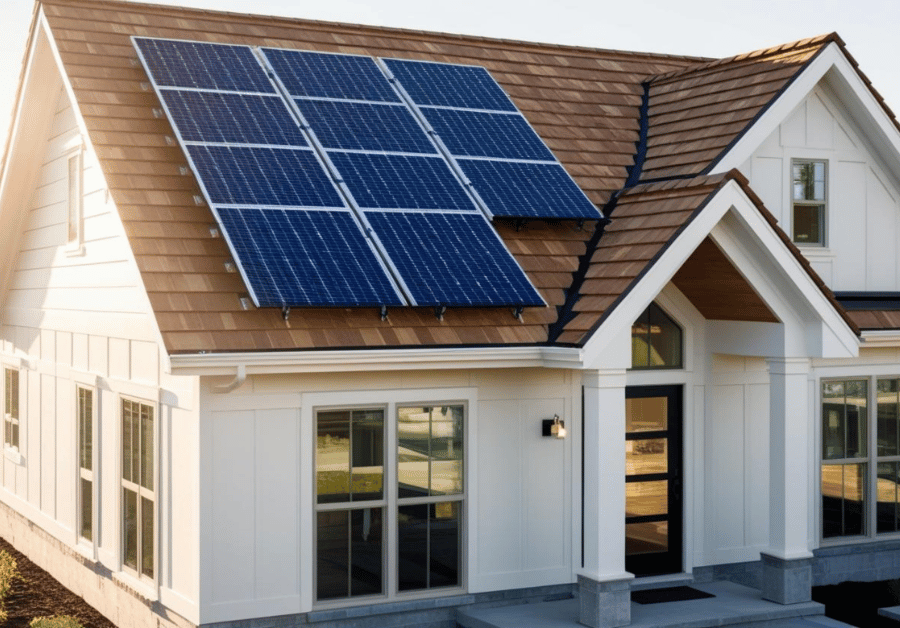
Unveiling the Best Solar PV System Design Software for Australian Success: An Ultimate Guide
In the vibrant and ever-evolving Australian solar market, staying ahead means more than just installing panels; it means designing intelligent, efficient, and profitable solar PV systems. For Australian solar retailers and installers, the right tools are not just an advantage – they’re a necessity. This ultimate guide dives deep into the world of best solar PV system design software, exploring what makes a platform truly exceptional for our unique conditions, and how it can transform your solar business.
Gone are the days of messy spreadsheets and guesswork. Today, precision, speed, and seamless integration are paramount. Whether you're designing for a residential rooftop in Sydney, a commercial solar project in Melbourne, or a remote off-grid system in Perth, the software you choose dictates your efficiency, accuracy, and ultimately, your bottom line. Let's unpack how to find the ideal solar design software that empowers your team and delights your customers.
Why Australian Solar Businesses Need Cutting-Edge Design Software
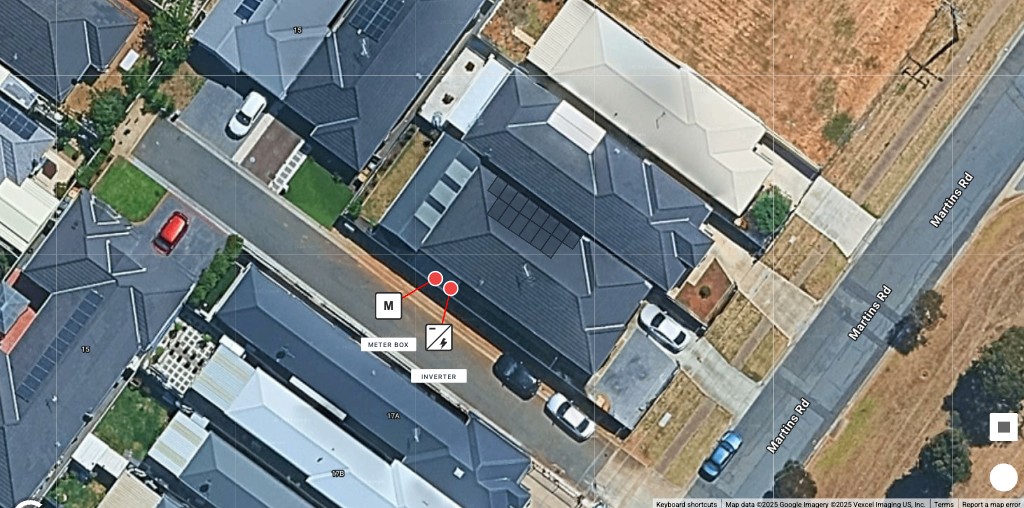
Australia boasts one of the highest rates of solar adoption globally, but with this opportunity comes a complex landscape of regulations, diverse climates, and customer expectations. The best solar PV system design software is specifically tailored to navigate these challenges.
Navigating Australia's Unique Solar Landscape
Designing a solar system in Australia isn't just about placing panels on a roof. You need to account for:
- STCs & Rebates: Understanding Small-scale Technology Certificates (STCs) and state-specific solar rebates (like those in NSW, VIC, or QLD) is crucial for accurate financial proposals. Your software should help integrate these incentives.
- Diverse Climates: From the tropical humidity of Brisbane to the arid heat of Adelaide and the cooler conditions of Hobart, temperature and irradiance variations significantly impact energy output.
- Roof Topologies: Australian homes and businesses feature a wide array of roof types, angles, and orientations. A robust solar design tool must handle complex geometries and accurately model the available space for solar panels.
- Grid Connection Rules: Local Distribution Network Service Providers (DNSPs) have specific requirements for grid connection, which can influence system design and inverter choice.
Without advanced design software for Australian conditions, you risk miscalculations that can lead to costly redesigns, customer dissatisfaction, and lost profits. The solar hub team min read read and understands these intricacies, ensuring our insights are always relevant to the local market.
The Cost of Design Errors: More Than Just Financial
An inaccurate design can be detrimental. Incorrect sizing, poor shading analysis, or overlooking roof obstructions can lead to:
- Underperformance: A PV system that doesn't meet promised energy generation, leading to unhappy customers and warranty claims.
- Wasted Materials: Ordering too many panels or the wrong type of inverter due to a flawed initial design.
- Reputational Damage: Negative reviews spread fast in the Australian market, eroding trust and future sales for your solar business.
- Compliance Issues: Designs that don't meet local standards can result in delays, fines, or even forced removal.
Investing in the best solar pv system design software is an investment in accuracy, compliance, and your company's long-term reputation.
Boosting Efficiency and Sales with Professional Solar Proposals
Beyond technical accuracy, modern solar design software is a powerful sales tool. It allows you to:
- Generate Professional Proposals: Visually stunning and data-rich proposals impress customers and build confidence.
- Streamline Workflows: Automate calculations, integrate with CRM systems, and reduce manual data entry, freeing up your team min for more sales and installations.
- Accelerate Sales Cycles: Quickly turn leads into signed contracts with rapid, accurate quoting. The solar hub approach is all about speed and precision.
Key Features to Look for in the Best Solar PV System Design Software
When evaluating options for your Australian solar business, look for software that offers a comprehensive suite of features designed for optimal performance and user experience.
Accurate 3D Modelling & Shading Analysis
This is non-negotiable for Australian conditions. The software should:
- Create Realistic 3D Models: Accurately recreate the customer's property, including roof dimensions, obstructions (chimneys, vents, air conditioner units), and surrounding trees or buildings.
- Precise Shading Analysis: Model the impact of shade throughout the day and year. As Solar Choice staff says, "A shadow cast on even just part of one solar panel in your solar array can potentially compromise the output of the whole system." This feature is critical for maximising PV system output and avoiding costly underperformance.
- Panel Placement Optimisation: Suggest optimal placement for solar panels and string configurations to minimise shade losses and maximise energy harvest.
Comprehensive Component Libraries
The best solar pv system design software should offer an extensive and regularly updated library of components relevant to the Australian market:
- Australian Solar Panels: Access to popular brands like Jinko, Trina, and local options like Tindo Solar.
- Inverters: Support for leading inverter brands (e.g., SolarEdge, Fronius, SMA) and various types (string, microinverters, hybrid).
- Battery Storage Options: With the rise of solar battery systems in Australia, integration of popular battery brands (e.g., Tesla Powerwall, LG Chem, BYD) is essential for designing comprehensive energy solutions.
- Mounting Systems: Compatibility with various roof types and mounting solutions.
Performance Simulation & Energy Yield Prediction
Accurate prediction of how a solar system will perform is vital for customer trust and project viability. Look for:
- Hourly, Daily, Monthly, Annual Output: Detailed energy production forecasts (in kWh).
- Weather Data Integration: Utilisation of local meteorological data for realistic simulations.
- Degradation Modelling: Accounting for the natural degradation of solar panels over time.
- Self-Consumption Optimisation: Tools to help customers understand how much of their generated energy they'll use versus export.
Financial Modelling & Professional Proposal Generation
Turning a design into a compelling sales pitch requires robust financial tools:
- Detailed Costing: Accurate calculations for system prices, installation costs, and operational expenses.
- Return on Investment (ROI) & Payback Period: Clear projections for customer savings and financial benefits.
- Rebate & Incentive Integration: Automatically apply STCs and state solar rebates to customer proposals.
- Customisable Proposals: Generate branded, professional proposals that clearly outline the system design, financial benefits, and environmental impact.
CRM & Business Management Integration
This is where an all-in-one platform like SolarHub CRM truly shines. While many tools focus solely on design, the best solar PV system design software should ideally be part of a larger ecosystem that manages your entire solar business:
- Lead Management: Track and nurture every opportunity from initial inquiry to sale.
- Sales Proposals: Generate professional quotes with accurate calculations directly from your design.
- Job Scheduling: Manage installations, appointments, and site visits.
- Team Management: Assign roles, track performance, and foster collaboration within your solar hub team.
- Automated Marketing: Follow up with leads and customers efficiently.
Compliance & Local Regulations
Ensure the software helps you adhere to:
- Clean Energy Council (CEC) Guidelines: For safe and compliant installations.
- Local Council Requirements: Any specific planning or heritage overlays in areas like Melbourne or Sydney.
- Electrical Standards: AS/NZS 5033 and other relevant Australian standards.
User-Friendly Interface & Scalability
The most powerful software is useless if it's too complex. Look for an intuitive interface that your whole team can quickly learn. It should also be scalable, growing with your solar business from residential projects to large-scale commercial solar installations.
Top Contenders: A Review of Popular Solar PV Design Software in Australia

Many options exist for solar design, each with its strengths. Here's a look at some prominent players and why a fully integrated solution might be your best choice.
SolarProof: Precision & Component Depth
SolarProof is an Australian-based company often lauded for its accuracy and extensive library of Australian components. It excels in detailed PV system design and performance simulations. For installers focused purely on technical design precision, it's a strong contender.
OpenSolar: Free & Feature-Rich for Many
OpenSolar offers a free solar design tool that has gained traction, especially among smaller installers or those just starting out. It provides robust 3D modelling, financial analysis, and customer proposals. While it's a fantastic entry point, it may lack the deeper CRM and business management integrations that larger or growing businesses require.
SolarEdge Designer: Optimised for SolarEdge Systems
As the name suggests, SolarEdge Designer is ideal for designing systems specifically with SolarEdge optimisers and inverters. It ensures compliance with SolarEdge's design rules and helps optimise performance for their specific products. However, its utility is limited if you work with a variety of inverter brands.
The Limitations of Standalone Tools
While these tools offer excellent design capabilities, they often operate in silos. This can lead to:
- Fragmented Workflows: Exporting data from design software to a separate CRM, then to an accounting package, creates inefficiencies.
- Data Duplication & Errors: Manual data transfer is prone to mistakes.
- Lack of Holistic View: You don't get a single, unified view of a customer's journey from lead to installation and beyond.
This is where the concept of an all-in-one platform truly revolutionises the solar business.
SolarHub CRM: The Ultimate All-in-One Solution for Australian Solar Businesses
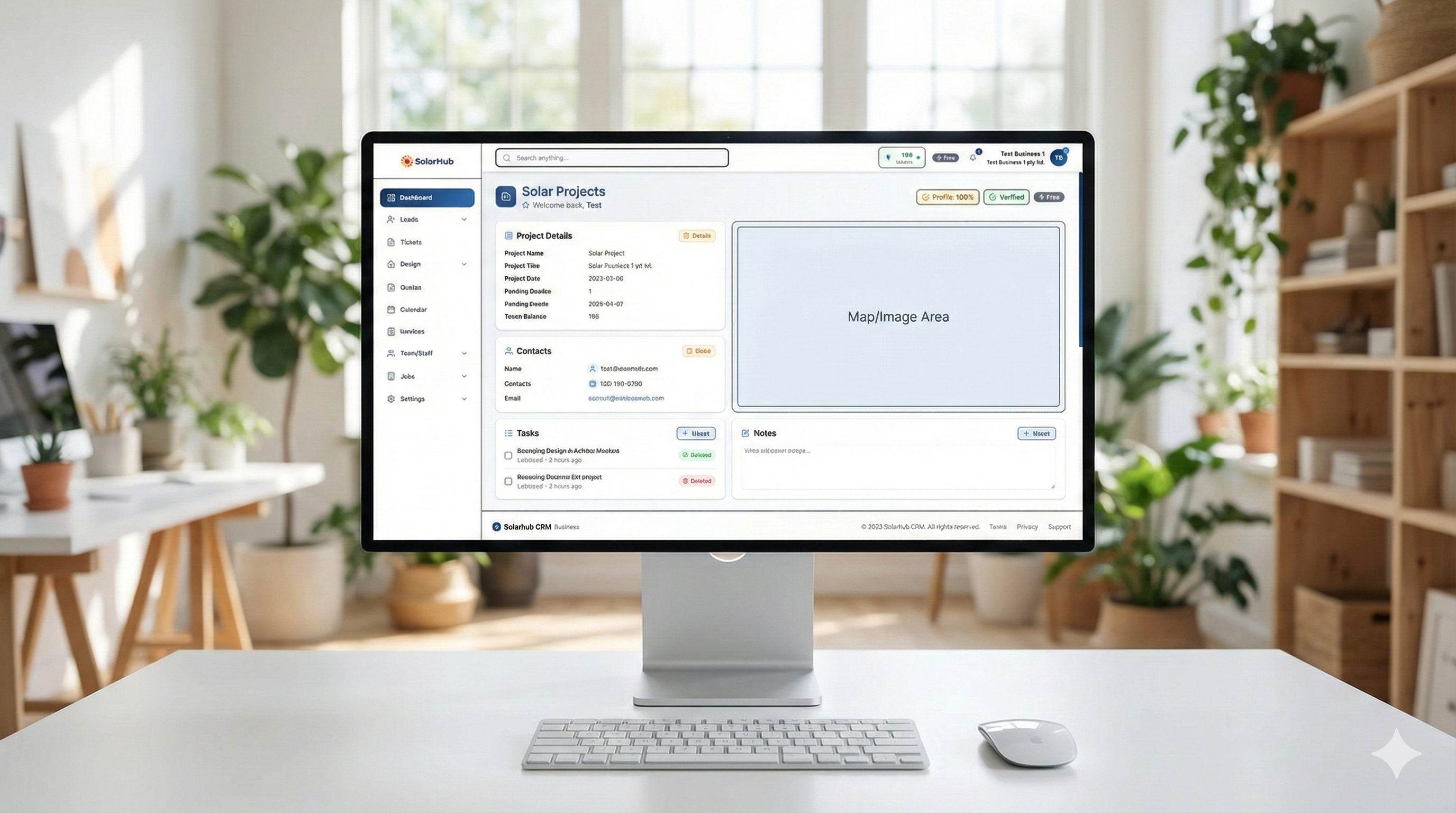
At SolarHub CRM, we understand the challenges and opportunities within the Australian solar market. We've built a platform that goes beyond being just another solar design software; it's an integrated ecosystem designed to manage your entire solar business from a single screen.
Beyond Just Design: A Holistic Approach
SolarHub CRM replaces your messy spreadsheets, clunky CRM, and separate design tools with one beautiful, integrated system. Our platform offers:
- Lead Management: Track and nurture every opportunity, from initial contact to successful conversion.
- Smart Integrations: Connect seamlessly with tools like Facebook, Google Sheets, and landing pages to capture leads efficiently.
- Email Marketing: Automate campaigns and follow-ups, keeping your brand top-of-mind.
- Job Scheduling: Manage appointments, site visits, and installations with calendar sync.
- Sales Appointments: Organise and track all customer meetings.
- Team Management: Define roles, set permissions, and foster seamless collaboration among your team.
- Lead Allocation: Implement smart routing and assignment rules to ensure no lead is missed.
This comprehensive approach means less administrative burden and more time for what you do best: selling and installing solar.
Seamless Design Integration for Professional Solar Proposals
Our integrated design capabilities allow you to generate professional proposals with accurate calculations directly within the CRM. This means:
- Faster Quoting: Move from initial inquiry to a detailed, accurate quote in minutes, not hours.
- Consistent Data: All customer and project data is in one place, eliminating discrepancies.
- Visually Appealing Proposals: Present your customers with clear, branded, and compelling proposals that include detailed solar design layouts, performance estimates, and financial breakdowns.
- Australian-Specific Calculations: Built-in logic for STCs, local rebates, and energy tariffs relevant to Sydney, Melbourne, Brisbane, and other Australian cities.
With SolarHub CRM, your solar design is no longer an isolated step; it's an integral part of your sales and project management workflow.
Empowering Your Sales Team
Give your sales team the power to create accurate, professional proposals on the fly. This not only speeds up the sales process but also significantly improves the customer experience. Imagine a customer in Perth receiving a detailed proposal for their kw solar system, complete with 3D renderings and financial projections, within hours of their initial inquiry. That's the power of an integrated platform.
Real-World Impact: How SolarHub Boosts Australian Solar Businesses
Consider a typical Australian solar installer. Before SolarHub, they might use one tool for design, another for CRM, and spreadsheets for scheduling. This creates bottlenecks and errors. With SolarHub, a lead comes in, it's automatically assigned, the sales team designs the solar system, generates a proposal, and schedules the installation – all within the same platform. This streamlined process has demonstrably helped businesses increase their sales, improve customer satisfaction, and reduce operational costs. It's the ultimate guide to efficiency.
How to Choose the Best Solar PV System Design Software for Your Business

Making the right choice requires careful consideration of your specific needs and goals.
Assess Your Business Needs & Scale
- Residential vs. Commercial: Do you primarily focus on residential projects, or are you scaling up to commercial solar? The complexity of design tools can vary significantly.
- Team Size: A larger team will benefit more from integrated CRM and collaboration features.
- Growth Plans: Choose software that can scale with your ambitions, whether that's expanding into new regions (like QLD or VIC) or offering new services (like EV chargers).
Consider Integration Capabilities
Think about your existing tech stack. Will the new solar design software integrate seamlessly with your CRM, accounting software, or other business tools? An all-in-one platform like SolarHub CRM eliminates the need for complex integrations, offering everything you need in one place.
Prioritise Localisation & Compliance
For Australian businesses, local relevance is key. Ensure the software accounts for:
- Australian weather data.
- STC and rebate calculations.
- Component libraries featuring brands available in Australia.
- Compliance with local standards and regulations.
Evaluate Support & Training
Even the best solar pv system design software requires some learning. Look for providers that offer:
- Comprehensive training resources (tutorials, webinars).
- Responsive customer support, ideally with local Australian staff.
- A community or forum for users to share tips and best practices.
Future-Proofing Your Solar Business with Advanced Design Tools
Experience Smarter Solar Design Get Started with SolarHub CRM
The solar industry is constantly innovating. Your chosen system design software should be ready for the future.
Embracing Battery Storage & EV Chargers
As homeowners increasingly look to maximise self-consumption and embrace electric vehicles, the ability to integrate solar battery storage and EV chargers into your designs is becoming critical. The best solar pv system design software will offer robust tools for modelling these additions and their impact on overall energy savings.
The Role of AI in Solar Design
Artificial intelligence is beginning to play a significant role, from optimising panel layouts to predicting system performance with even greater accuracy. Staying updated with software that incorporates these advancements will give your solar business a competitive edge.
Question 1: Why is solar PV system design software essential for Australian solar businesses?
Australia’s solar industry has unique challenges — diverse climates, strict regulations, STC/rebate requirements, and varied roof structures. Design software ensures accurate system sizing, compliance, shading analysis, and professionally presented proposals, helping installers avoid costly errors and boost customer trust.
Question 2: What features should I look for in the best solar PV design software?
Key features include precise 3D modelling, shading analysis, Australian-specific weather data, STC and rebate integration, comprehensive component libraries, performance simulations, and financial modelling. For growing businesses, CRM integration and workflow automation provide major efficiency gains.
Question 3: How does integrated software like SolarHub CRM differ from standalone design tools?
Standalone tools focus mainly on system design, but they often require manual data transfer to CRM, scheduling, and quoting systems. SolarHub CRM combines design, lead management, proposal generation, scheduling, team collaboration, and sales workflows into one platform—reducing errors, saving time, and improving customer experience.
Question 4: Can this software help improve my sales and proposal turnaround time?
Absolutely. Modern design platforms, especially integrated systems like SolarHub CRM, generate fast, accurate proposals with detailed calculations, visual layouts, and financial analysis. This speeds up quoting, shortens sales cycles, and helps installers convert more leads into signed contracts.
Conclusion: Powering Your Australian Solar Business with the Right Software
Choosing the best solar PV system design software is a pivotal decision for any Australian solar business looking to thrive. It’s not just about creating pretty pictures of panels on a roof; it’s about ensuring accuracy, boosting efficiency, enhancing sales, and building lasting customer trust. From navigating complex Australian regulations and diverse climates to generating compelling financial proposals, the right software is your strategic partner.
While various standalone tools offer excellent design capabilities, the true power lies in an integrated platform that connects every aspect of your operations. SolarHub CRM offers this holistic solution, bringing together lead management, precise solar design, professional proposals, and comprehensive business management into one intuitive system. It’s designed by Australians, for Australians, to help your solar business reach its full potential.
Don't let fragmented workflows hold you back. Empower your team with the tools they need to succeed in Australia's competitive solar market. Discover how SolarHub CRM can transform your operations, streamline your sales process, and help you deliver exceptional solar solutions.
Ready to streamline your solar business and design with unparalleled precision?
Explore SolarHub CRM Today!