Solar Panel Placement Tool: Your Ultimate Guide to Maximising Australian Solar Energy
Are you an Australian homeowner or business owner dreaming of harnessing the abundant sunshine to power your property? The journey to a greener, more energy-efficient future often begins with understanding one crucial element: optimal solar panel placement. It's not just about slapping solar panels on the roof; it's about strategic positioning to maximise your energy generation and return on investment. This is where a dedicated solar panel placement tool becomes your best friend.
In Australia, with our unique sun paths and diverse architectural styles, getting the placement right is paramount. From the bustling rooftops of Sydney to the sprawling properties of Perth, every solar system needs a tailored approach. This comprehensive guide will delve into everything you need to know about using a solar panel placement tool to unlock your roof's full solar potential, ensuring you get the most out of your solar energy investment.
Why Optimal Solar Panel Placement Matters for Australian Homes & Businesses

Imagine investing in a top-tier solar pv system, only to find it underperforming. Often, the culprit isn't the solar panel quality but suboptimal placement. For Australians, whose electricity bills can be notoriously high, every ray of sunshine counts. The right placement directly impacts:
- Energy Yield: Maximising direct sunlight exposure throughout the day leads to higher electricity generation.
- Return on Investment (ROI): More energy means greater savings and quicker payback on your solar installation.
- Feed-in Tariffs: Generating surplus electricity to export back to the grid can earn you credits, making efficient placement even more valuable.
- System Longevity: Avoiding excessive shading can reduce hot spots on panels, potentially extending their lifespan.
- Eligibility for Solar Rebates: While not directly tied to placement, an efficiently designed solar system ensures you meet performance expectations for various government incentives.
Understanding the nuances of your specific location – whether you're in Melbourne, Brisbane, Adelaide, or Hobart – is critical. Factors like local climate, prevailing weather patterns, and even specific times of day for peak energy consumption (e.g., running air conditioner units) play a role in optimising your solar panel array using a robust solar panel placement tool.
What Exactly is a Solar Panel Placement Tool?
At its core, a solar panel placement tool is a sophisticated piece of software or an online calculator designed to help you visualise and plan the optimal layout of solar panels on a given surface, typically a roof. These tools leverage various data points and algorithms to predict energy production and identify the best areas for installation.
How Do These Tools Work?
Modern solar designtools use a combination of technologies:
- Satellite Imagery & Geospatial Data: High-resolution maps provide an accurate depiction of your roof structure.
- Lidar Data: Some advanced tools use Light Detection and Ranging (LIDAR) data to create highly precise 3D models of your property, including surrounding shading objects like trees, neighbouring buildings, and chimneys.
- Sun Path Algorithms: These calculate the sun's trajectory throughout the year, accounting for seasonal changes and latitude (crucial for different parts of Australia).
- Energy Consumption Data: By inputting your average electricity usage, the tool can help determine the ideal system size and number of panels needed.
- Panel Specifications: Inputting specific solar panel dimensions allows the tool to accurately simulate how many panels can fit and where.
From simple online calculators to advanced design software used by installers, a solar panel placement tool is essential for anyone considering solar installations.
Key Factors a Solar Panel Placement Tool Considers

When using a solar panel placement tool, or when a professional is designing your system, several critical factors are analysed to ensure maximum efficiency:
1. Roof Orientation (Aspect)
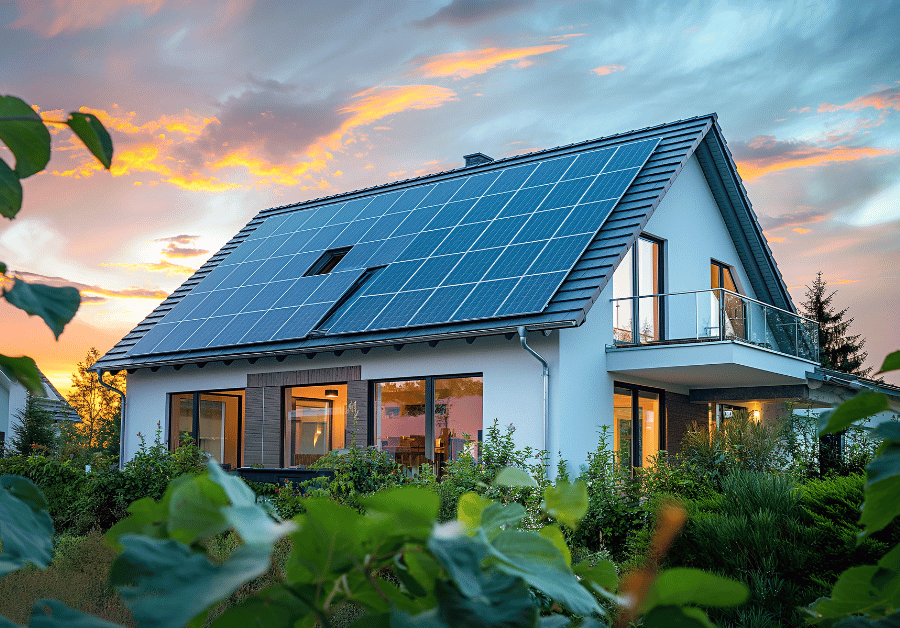
In the Southern Hemisphere, a north-facing roof generally receives the most direct sunlight throughout the day, making it ideal for solar panels. However, east and west-facing roofs can still be highly effective, especially if you have high morning or afternoon energy consumption. A good solar panel placement tool will show you the varying production across different orientations.
2. Panel Tilt Angle
The optimal tilt angle for solar panels varies depending on your latitude and desired seasonal performance. For example, a steeper tilt might be better in winter to catch lower-angle sun, while a shallower tilt might be ideal for summer. Most solar pvsystems in Australia are installed flush with the roof pitch, but flat roofs allow for adjustable tilt frames. The tool can simulate different tilt angles to find the sweet spot.
3. Shading Analysis
Even partial shading objects from trees, chimneys, vents, or neighbouring buildings can drastically reduce a solar panel's output. Advanced solar panel placement tools provide detailed shading analysis, showing how shadows move across your roof throughout the day and year. This helps avoid placing panels in consistently shaded areas.
4. Roof Size and Available Space
Naturally, the physical dimensions of your roof dictate how many panels can be installed. A solar panel placement tool allows you to virtually 'place panels' to see the maximum capacity and identify any obstructions or unsuitable areas. This is crucial for determining the right system size (e.g., a 6.6 kW system or 10 kW system).
5. Structural Integrity & Aesthetics
While not directly calculated by all tools, a professional solar installation will always consider your roof's structural capacity. Aesthetics also play a role for many homeowners, and a visual solar panel placement tool can help you see how the panels will look on your home.
Types of Solar Panel Placement Tools & Resources in Australia
Australia offers a variety of tools and services to help you plan your solar system. They range from simple online calculators for initial estimates to sophisticated design software used by solar installers and retailers.
1. Online Solar Calculators & Estimators
These are great starting points for homeowners. Websites like SunSPOT (a not-for-profit initiative by the APVI and industry partners) or Solar Choice's roof area calculator provide quick estimates of how many panels you can fit and potential energy generation. They typically use basic satellite data and averaged sun path information. The SunSPOT solar and battery calculator is particularly useful for getting an estimate of a suitable rooftop solar system size for your home or business needs.
2. Advanced Mapping & Simulation Tools
Some energy matters providers and organisations offer more detailed mapping. These tools provide more precise shading analysis and allow for more customisation of panel group layouts. Examples include:
- APVI Solar Mapping Tools: The Australian PV Institute (APVI) provides information on PV systems installed across Australia and estimated electricity generation potential.
- Fronius Solar.creator: A professional design software that goes beyond basic planning, considering all steps from choosing the right location to detailed PV system design. This is often used by installers.
3. Professional Solar Design Software (Used by Installers)
This is where precision meets expertise. Companies like Solarhub provide all-in-one platforms that integrate advanced solar designtools. These tools allow installers to:
- Create accurate 3D models of your roof.
- Perform highly detailed shading analysis for every hour of the year.
- Generate precise energy production estimates.
- Design complex panel groups and wiring configurations (pv connections).
- Integrate solar battery storage and ev chargers into the system design.
- Produce professional solar proposals with clear calculations and system prices.
When you request free quotes from reputable solar installers, they will likely use such sophisticated design software to ensure your system is optimised for your specific property in Australia. These tools are far more powerful than basic online calculators, offering unparalleled accuracy for your solar installation.
Comparing Solar Panel Placement Tools: From DIY to Professional

| Tool Type | Key Features | Pros | Cons | Best For |
|---|---|---|---|---|
| Online Calculators (e.g., SunSPOT, SolarQuotes Estimator) | Basic roof mapping, estimated panel count, rough energy output. | Free, easy to use, quick initial estimate. | Limited accuracy, basic shading analysis, no customisation. | Initial interest, rough budgeting, comparing basic options. |
| Advanced Mapping Tools (e.g., APVI mapping, some utility portals) | More detailed roof analysis, better shading info, some customisation. | Improved accuracy over basic calculators, good for deeper research. | May require more input, still not fully professional grade. | Educated homeowners, preparing for installer discussions. |
| Professional Design Software (e.g., Fronius Solar.creator, Solarhub integrated tools) | 3D modelling, LIDAR data, hourly shading, precise energy yield, battery/EV integration, detailed proposals. | Highest accuracy, comprehensive design, allows for complex systems, used by experts. | Not typically accessible to general public, requires expertise to operate. | Solar retailers & installers, ensuring optimal, tailored solar installations. |
A Step-by-Step Guide: How to Use a Solar Panel Placement Tool (and What to Expect)
While you won't be using professional-grade design software yourself, understanding the process helps you ask the right questions and appreciate the value a good installer brings. Here's a general overview, often mirrored in simpler online tools:
- Enter Your Location: Start by inputting your address in Australia (e.g., your home in Brisbane or your business in NSW). The tool will then display an aerial view of your property.
- Outline Your Roof: Use the tool's interface to trace the usable areas of your roof. Be sure to exclude areas like skylights, vents, and chimneys.
- Identify Shading Objects: Mark any nearby trees, taller buildings, or other structures that might cast shadows on your roof throughout the day or year. Advanced tools will automatically detect these using lidar data.
- Specify Panel Type & System Size: If known, you can input the type of solar panel you're considering and your desired system size (e.g., 6.6 kW solar system). The tool will then calculate how many panels of that size can fit.
- Review Panel Layout & Energy Estimates: The solar panel placement tool will generate a visual layout of the panels on your roof and provide an estimated energy production. Pay attention to the day dispatch view, which shows hourly production.
- Consider Battery & EV Charger Integration: Many modern tools allow you to simulate the addition of a solar battery or EV chargers to your system, helping you plan for comprehensive renewable energy solutions. Use a battery calculator to size your storage needs.
- Get Your Quotes: Once you have a good understanding of your roof's potential, the next step is to get free quotes from certified solar installers. They will use their own professional tools to provide a precise solar design and system prices.
Beyond the Tool: What Comes Next in Your Australian Solar Journey?

A solar panel placement tool is a fantastic starting point, but it's just the beginning. For a successful solar installation in Australia, you'll need the expertise of qualified professionals.
Professional Consultation & Site Assessment
After using a solar panel placement tool, your chosen solar installer will conduct a thorough on-site assessment. This includes:
- Verifying roof measurements and structural integrity.
- Detailed shading analysis specific to your property.
- Assessment of your electrical switchboard and wiring.
- Discussion of your energy consumption patterns, including hot water heating (perhaps considering heat pumps) and potential for EV charging.
- Explaining available solar rebates and how they apply to your system.
This hands-on approach ensures that the theoretical design from the solar panel placement tool translates into a practical and high-performing real-world system.
Integrating Solar Batteries & EV Chargers
Many Australians are now looking beyond just solar panels. Integrating a solar battery allows you to store excess energy generated during the day for use at night, reducing reliance on the grid. Similarly, installing EV chargers powered by your solar system can significantly cut down on your electric vehicle running costs. Professional solar design software, like those used by Solarhub's clients, can seamlessly model these additions, providing a holistic renewable energy solution for your home or business.
Understanding System Prices and Rebates
When you receive solar quotes, they should clearly break down system prices, including the cost of panels, inverters, installation accessories, and labour. Your installer will also guide you through the various solar rebates available in Australia, such as the Small-scale Technology Certificates (STCs), and state-specific incentives (e.g., in VIC or QLD). Some states even offer a battery rebate, making storage more accessible.
Case Study: The Smith Family's Solar Success in Perth
Check Your Roof’s Solar Potential Get a Free Solar Assessment Today
The Smith family, residing in Perth, Western Australia, was keen to reduce their substantial electricity bills. Their home had a complex roof with several gables and a large gum tree in the backyard. Initially, they tried an online solar panel placement tool, which gave them a rough idea of their roof's potential. They learned that their north-west facing roof section was promising, but the tool couldn't fully account for the tree's dynamic shading throughout the seasons.
When they contacted a local Solarhub-powered installer, the professional used advanced design software. This allowed for a precise 3D model of their home, incorporating Lidar data to accurately map the shading objects from the gum tree. The software simulated energy production hour-by-hour, identifying the optimal panel group arrangement that minimised shading and maximised output, even recommending micro-inverters for better performance under partial shading conditions. The tool also helped them plan for future solar batteries and an EV charger.
The result? A perfectly tailored 6.6 kW solar system that consistently outperforms their initial expectations, significantly reducing their electricity bills and providing clean energy for their home. This demonstrates the power of combining consumer tools with professional-grade solar panel placement tools.
Choosing the Best Solar Partner for Your Australian Home
When it comes to something as significant as a solar system for your home or business, you want to work with installers who use the best tools and practices. Look for:
- Experience & Expertise:Installers with a proven track record and deep knowledge of Australiansolar installations.
- Advanced Design Software: Ensure they use a sophisticated solar panel placement tool that provides accurate shading analysis and energy yield predictions. This is where platforms like Solarhub empower installers to deliver superior results.
- Transparent Quotes: Clear breakdowns of system prices kw solar system, product code details, and warranty information.
- Comprehensive Service: From initial solar design to installation and ongoing support.
- Strong Customer Reviews: Check online reviews and testimonials to gauge their trustworthiness.
A reliable solar partner ensures your investment is sound, your system is optimised, and you receive the full benefit of solar rebates and feed-in tariffs.
Question 1: What is the best roof direction for solar panels in Australia?
In Australia, north-facing roofs are generally the best for solar panels because they receive the most consistent sunlight throughout the day. However, east and west-facing roofs can also perform very well, especially if your energy usage is higher in the mornings or afternoons. A solar panel placement tool helps compare different roof aspects and shows how each option affects your energy output.
Question 2: How accurate are online solar panel placement tools?
Online solar panel placement tools provide useful estimates based on satellite imagery and average sun data, making them great for initial research. However, they may not fully account for complex shading, roof angles, or structural factors. For the highest accuracy, professional installers use advanced tools with 3D modelling and LIDAR data to deliver precise system designs and energy predictions.
Question 3: Can a solar panel placement tool show shading from trees and buildings?
Yes, most modern solar panel placement tools include shading analysis. Advanced tools can even simulate how shadows from trees, chimneys, and neighbouring buildings move across your roof throughout the year. This helps ensure panels are placed in the most productive areas, avoiding performance losses due to shade.
Question 4: Do I still need a site inspection if I use a solar panel placement tool?
Absolutely. While a solar panel placement tool is a powerful planning resource, a professional site inspection is essential. Installers will verify roof structure, electrical systems, exact measurements, and real-world shading conditions to ensure your system is safe, compliant, and optimised for maximum performance and rebates.
Conclusion: Empowering Your Solar Journey with the Right Tools
Embarking on your solar energy journey in Australia is an exciting step towards sustainability and significant savings. Understanding and utilising a solar panel placement tool, whether it's a simple online calculator for initial research or the advanced design software used by professionals, is fundamental to a successful outcome. These tools empower you to visualise your solar potential, make informed decisions, and ultimately, maximise the energy harvest from your solar panels.
Don't leave your solar installation to guesswork. Leverage the power of technology and the expertise of qualified Australiansolar installers to design a system that perfectly fits your home or business needs. For solar retailers and installers looking to streamline their operations and deliver unparalleled solar designs, Solarhub offers the comprehensive platform you need.
Ready to explore your solar potential or enhance your solar business operations? Discover how the right tools can make all the difference.