Solar System Design Australia: Your Ultimate Guide to Powering Your Home or Business
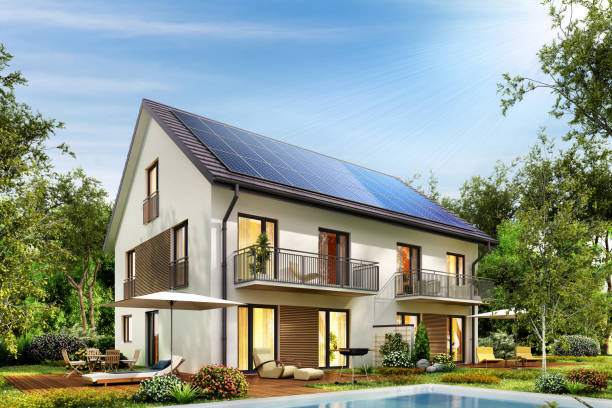
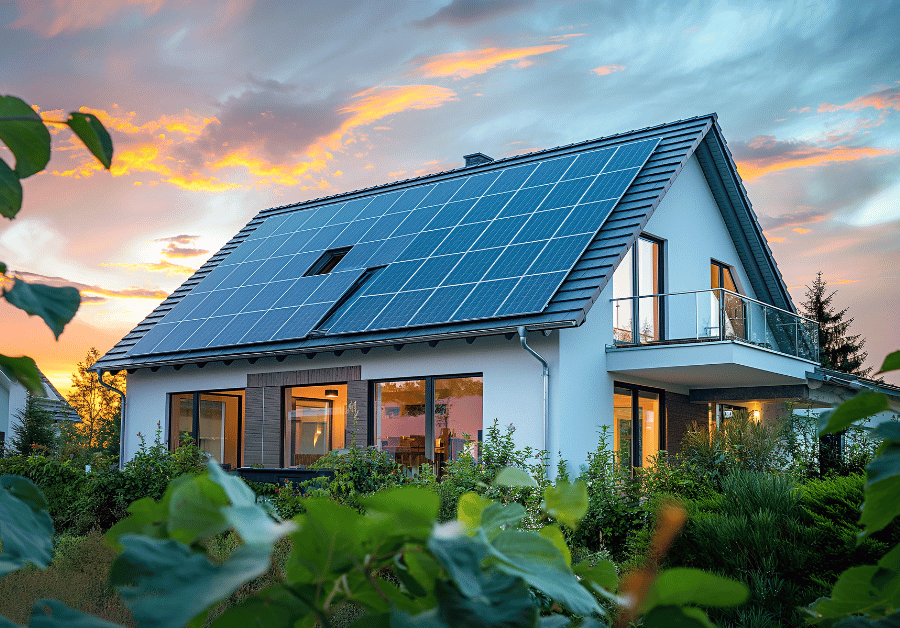
G'day, Australia! Are you considering harnessing the abundant sunshine to power your home or business? The journey to energy independence and lower electricity bills begins with one crucial step: expert solar system design. It's more than just slapping solar panels on your roof; it's about creating a tailored, efficient, and cost-effective solar system that perfectly matches your unique energy needs and the Australian environment.
Here in Australia, with our incredible solar resources, a well-designed solar power system can make a monumental difference to your energy consumption and carbon footprint. But with so many options – from different types of solar panels and solar battery storage solutions to inverter capacity and system size – how do you ensure you're making the best choice? This comprehensive guide will walk you through every critical aspect of solar system design, ensuring you're empowered to make informed decisions for your residential or commercial solar project.
Understanding Your Energy Needs: The First Step in Solar System Design

Before you even think about solar panels or inverters, the fundamental cornerstone of any effective solar system design is a thorough understanding of your energy consumption. This isn't just a guess; it requires a detailed analysis to ensure your new solar energy system is neither undersized nor oversized, providing optimal returns.
Assessing Your Average Daily Energy Consumption
To accurately size your solar system, you need to know your average daily energy consumption. This information is typically found on your electricity bills, often expressed in kilowatt-hours (kWh). Look back over 12 months to account for seasonal variations. Do you use more electricity in winter for heating or in summer for air conditioning? This historical data is vital. For example, a typical Australian home might consume anywhere from 15 kWh to 30 kWh per day, but commercial solar power systems will naturally have much higher demands.
Understanding your usage patterns – when you consume the most energy – is also crucial. Do you have high daytime usage, or is your consumption primarily in the evenings? This impacts whether solar battery storage is a critical component of your solar designs from the outset.
Residential vs. Commercial Solar System Design
The principles of solar system design apply to both residential solar and commercial solarsystems, but the scale and complexity differ significantly.
- Residential Solar: Focuses on optimising home energy use, potentially reducing or eliminating electricity bills, and often incorporates battery storage for evening use or blackout protection. System size typically ranges from 5 kw solar to 13 kw solar system.
- Commercial Solar: Involves larger pv systems, often with different roof structures (flat roofs vs. pitched), higher energy consumption, and more complex financial modelling. Commercial solar power projects might also need to consider export limits and demand charges from the gridnetwork.
Key Components of a High-Performance Solar System

A complete solar system is an intricate ecosystem of interconnected components, each playing a vital role in converting sunlight into usable electricity. Understanding these components is key to appreciating a robust solar system design.
Solar Panels: The Heart of Your System
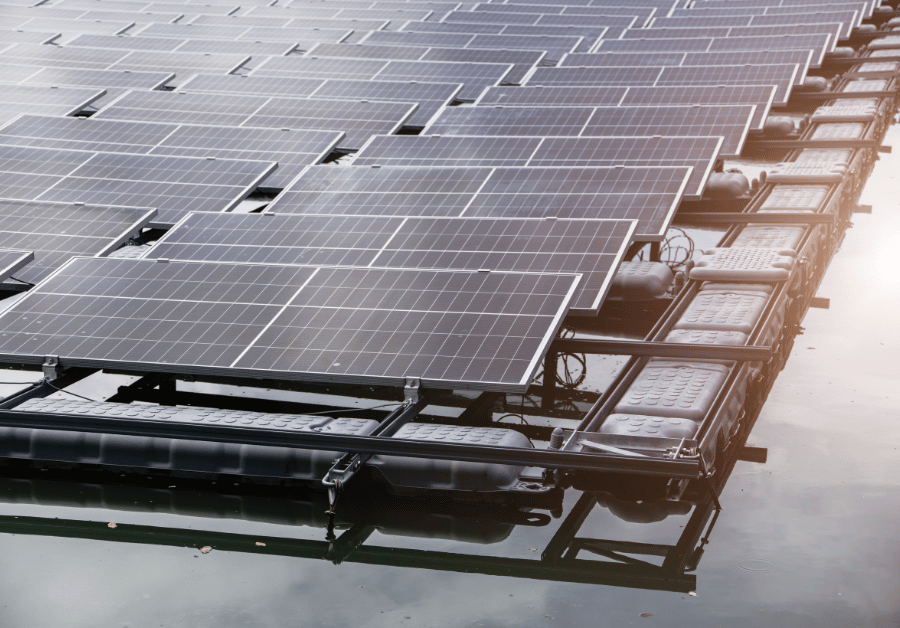
Also known as PV (photovoltaic) panels, these are the frontline of your solar energy capture. The choice of solar panel affects efficiency, durability, and aesthetics. Monocrystalline panels are generally more efficient and perform better in low light, while polycrystalline panels are a more budget-friendly option. Your solar designs specialist will recommend the bestpanels for your specific roof and budget.
Inverters: Converting Sunshine to Usable Power
The inverter is often called the 'brain' of the solar system. It converts the direct current (DC) electricity generated by your solar panels into alternating current (AC) that your home or business appliances use, and that the grid can accept. There are several types:
- String Inverters: Cost-effective for simple roof layouts.
- Microinverters: Installed under each panel, optimising individual panel performance and reducing shading impact.
- Hybrid Inverters: Essential for solar battery storagesystems, managing both solar generation and battery charging/discharging.
The inverter capacity must be carefully matched to your total kw system output to ensure maximum efficiency and compliance with network regulations.
Solar Battery Storage: Powering Through the Night
A solar battery allows you to store excess solar energy generated during the day for use at night or during peak demand periods. This significantly increases your self-consumption and reduces reliance on gridelectricity. Battery storage is becoming increasingly popular in Australia, especially with rising electricity prices and the desire for greater energy independence. Modern batteries come with advanced management systems that optimise their performance and lifespan.
Mounting Systems and Electrical Infrastructure
The physical installation of solar panels requires robust mounting systems tailored to your roof type (tile, tin, flat). Proper mounting ensures the panels are secure, correctly angled for sunlight capture, and allow for adequate ventilation. Additionally, the electrical infrastructure, including wiring, circuit breakers, and safety switches, must meet stringent Australian standards to guarantee a safe and reliable pv system.
Navigating Australian Solar System Design Considerations

Designing a solar system in Australia requires a deep understanding of local conditions, regulations, and incentives. What works in one state, like NSW or QLD, might differ slightly in VIC or WA.
Roof Orientation, Tilt, and Shading: Maximising Solar Energy Harvest
The efficiency of your solar system is heavily influenced by your roof. Ideally, panels should face north (in the Southern Hemisphere) to capture the most sunlight throughout the day. The tilt angle is also important, often matching your latitude for year-round optimisation. Shading from trees, chimneys, or neighbouring buildings can drastically reduce panel output, even if only a small portion is shaded. An expert solar designsteam will conduct a thorough site assessment to identify and mitigate shading issues, potentially recommending microinverters or optimisers.
Grid-Connected PV Systems vs. Off-Grid Solutions
Most solar systems in Australia are grid-connected pv systems, meaning they remain connected to the public electricitynetwork. Excess energy can be fed back into the grid, earning you credits (feed-in tariffs). Off-grid systems, on the other hand, are completely independent, relying solely on solar power and battery storage, often used in remote locations. Your solar system design will depend on your location, energy consumption, and desired level of independence.
Network Export Limits and Inverter Capacity (Single Phase vs. Three Phase)
Australian electricity distributors impose export limits on how much solar energy you can send back to the grid. These limits vary by network and state. For example, a single phase connection typically has lower export limits (e.g., 5kW inverter capacity) compared to a three-phase connection (e.g., 10-30kW inverter capacity). A crucial part of solar system design is ensuring your proposed kw solar system complies with these regulations to avoid costly upgrades or delays. This is where Solar Choice and other industry resources can help you understand local nuances.
Solar Rebates and Incentives in Australia
The Australian government offers significant solar rebates through the Small-scale Renewable Energy Scheme (SRES), providing Small-scale Technology Certificates (STCs) for eligible pv systems. The value of these STCs can substantially reduce the upfront price of your installation. Additionally, some states, like NSW or VIC, offer their own battery storage incentives. Staying informed about these rebates is a vital step in calculating the true cost and return on investment of your solar system. For up-to-date information, refer to the Clean Energy Regulator website.
The Solar System Design Process: From Concept to Installation

A professional and streamlined solar system design and installation process ensures a smooth transition to solar energy. Here's a typical step-by-stepguide:
Step 1: Site Assessment and Data Collection
This initial step involves a detailed evaluation of your property. Experts will assess your roof space, orientation, shading, and structural integrity. They'll review your historical energy consumption data (your bills are crucial here!) and discuss your future energy goals, such as adding an electric vehicle or expanding your business. This forms the foundation for effective solar designs.
Step 2: System Sizing and Component Selection (kW Solar System)
Based on the site assessment, your solar team will determine the optimal system size in kw solar. This involves calculating how many solar panels are needed to offset your average daily energy consumption and selecting the appropriate inverter capacity. If you're considering a solar battery, its size and type will also be determined at this stage. This is where the technical expertise in pv systems truly shines.
Common Residential Solar System Sizes in Australia:
| System Size (kW) | Typical Panels (e.g., 400W) | Suitable For | Approx. Daily Output (kWh) |
|---|---|---|---|
| 5 kW Solar System | 12-13 panels | Small to medium homes | 18-22 kWh |
| 6.6 kW Solar System | 16-17 panels | Most Australian homes, good value | 25-30 kWh |
| 10 kW Solar System | 24-25 panels | Large homes, high energy users, EV charging | 38-45 kWh |
| 13 kW Solar System | 32-33 panels | Very large homes, commercial solar applications | 50-60 kWh |
Step 3: Proposal Generation and Financial Analysis
Once the solar system design is finalised, you'll receive a detailed proposal. This will outline the recommended solar panels, inverter, battery (if applicable), installation plan, system price, and an estimate of your energy savings and return on investment. It should also include information on applicable solar rebates and how they impact the overall cost. This is the stage where you review, ask questions, and ensure you're comfortable with the solutions provided.
Step 4: Installation and Post-Installation Support
After accepting the proposal, the installation team will schedule the work. Certified installers will expertly mount the solar panels, wire the inverter, and connect the system to your home's electrical network and the grid. Post-installation, you should receive comprehensive support, including monitoring tools, warranty information, and guidance on how to maximise your solar energy use. A reputable company will also handle the grid-connected pv application process with your local distributor.
Why Professional Solar System Design Makes All the Difference
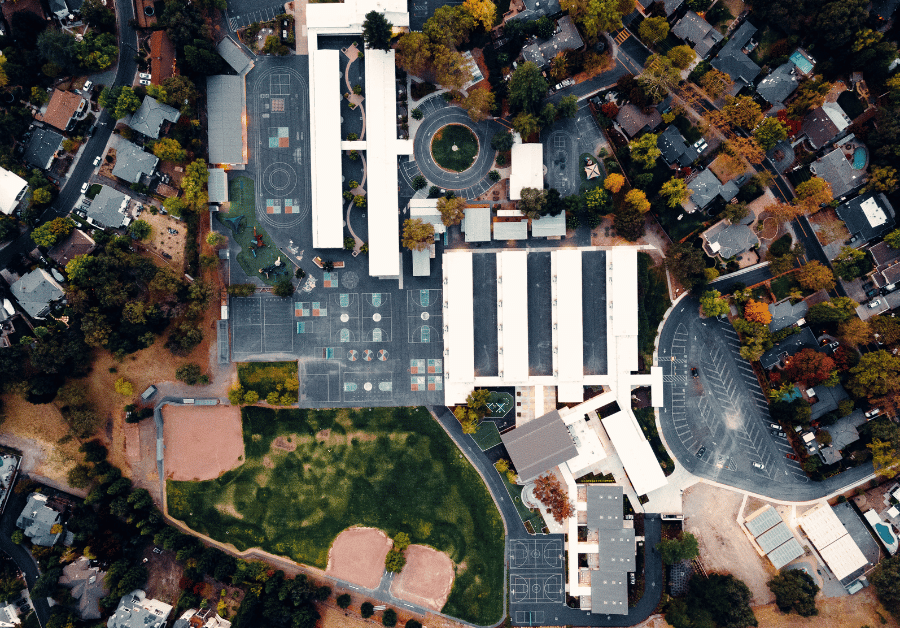
While the idea of a 'DIY solar system design' might seem appealing to some, the complexities of Australian regulations, network requirements, and technical specifications mean professional expertise is invaluable. This is especially true for commercial solarprojects.
Avoiding Common Pitfalls with Expert Solar Designs
Poor solar system design can lead to numerous problems: an undersized system that doesn't meet your energy needs, an oversized system that costs more than necessary, panels installed in shaded areas, incorrect inverter capacity leading to inefficiency, or even non-compliance with local grid rules. An experienced australian solarsolutions provider understands these challenges and ensures your pv system is optimised for performance and longevity from day one. They will ensure your system kw matches your actual needs.
The Platinum Solar Designs Advantage
Request a Free Solar Design Consultation
When you choose a leading provider like those who leverage advanced platforms, you're investing in more than just solar panels; you're investing in peace of mind. Companies that excel in platinum solar designs utilise cutting-edge software and a team of highly skilled professionals to craft precise solar designs. This ensures maximum solar energy harvest, seamless grid connection, and eligibility for all available solar rebates. Their expertise translates into a higher performing, more reliable, and ultimately more cost-effective solar system for your home or business across NSW, QLD, VIC, and beyond.
Question 1: What is solar system design and why is it important in Australia?
Solar system design is the process of planning a solar power system that matches your energy needs, roof layout, budget, and local Australian conditions. A well-designed system maximises energy production, ensures compliance with grid regulations, and delivers the best financial return through optimal system sizing, panel placement, and inverter selection.
Question 2: How do I know what size solar system (kW) I need?
The right solar system size depends on your average daily electricity usage, available roof space, usage patterns (day vs night), and future plans such as EV charging or battery storage. By analysing 12 months of electricity bills, a professional solar designer can recommend the most efficient kW solar system for your home or business.
Question 3: Can solar system design account for shading and roof orientation?
Yes. Professional solar system design includes a detailed site assessment using shading analysis, roof orientation, and tilt calculations. Designers consider factors like trees, chimneys, and neighbouring buildings to optimise panel placement and may recommend solutions like microinverters or optimisers to minimise shading losses.
Question 4: Are Australian solar rebates included during the solar system design process?
Absolutely. Solar system design in Australia typically includes Small-scale Technology Certificate (STC) rebates and any applicable state-based incentives. These rebates are factored into the system pricing and financial analysis, helping you understand the true upfront cost and long-term savings of your solar investment.
Empowering Your Solar Journey with Smart Design
The journey to embracing solar energy in Australia is an exciting one, promising significant savings and a greener future. But the key to unlocking its full potential lies in a meticulously crafted solar system design. From understanding your average daily energy consumption to selecting the right solar panels, inverters, and solar battery storage, every step matters.
Whether you're in Sydney, Melbourne, Brisbane, Perth, Adelaide, Hobart, or anywhere in between, a well-executed solar system design is your blueprint for success. It ensures your pv system is not just installed, but engineered for peak performance, longevity, and maximum financial benefit. Don't settle for a one-size-fits-all approach when it comes to your energy future.
Ready to take control of your electricity bills and invest in a sustainable future? Let our experts guide you through the process of creating the perfect solar system design for your home or business. We streamline the entire process, from initial quote to post-installation support, ensuring a superior experience.
Request a Free Solar System Design Consultation Today!
For quick assistance, call us or fill out our contact form with your full name, email, mobile, address, state, and postcode to send a request. Let's start your solar journey!