PV System Design for Adelaide Homes: How Grid-Connected Solar Works
If you're looking at solar for your Adelaide home or business, you've probably come across the term PV system design. It refers to how a solar power system is planned, sized, and configured before installation. A well-designed system generates more energy, lasts longer, and costs less to run. A poorly designed one underperforms from day one.
At SBSE, every PV system's design starts with your roof, your energy usage, and your goals — not a one-size-fits-all template. We're a CEC-accredited installer based in Dulwich, Adelaide, with over 2,200 solar and battery installations completed across Adelaide and Melbourne.
What Is a Grid-Connected PV System?
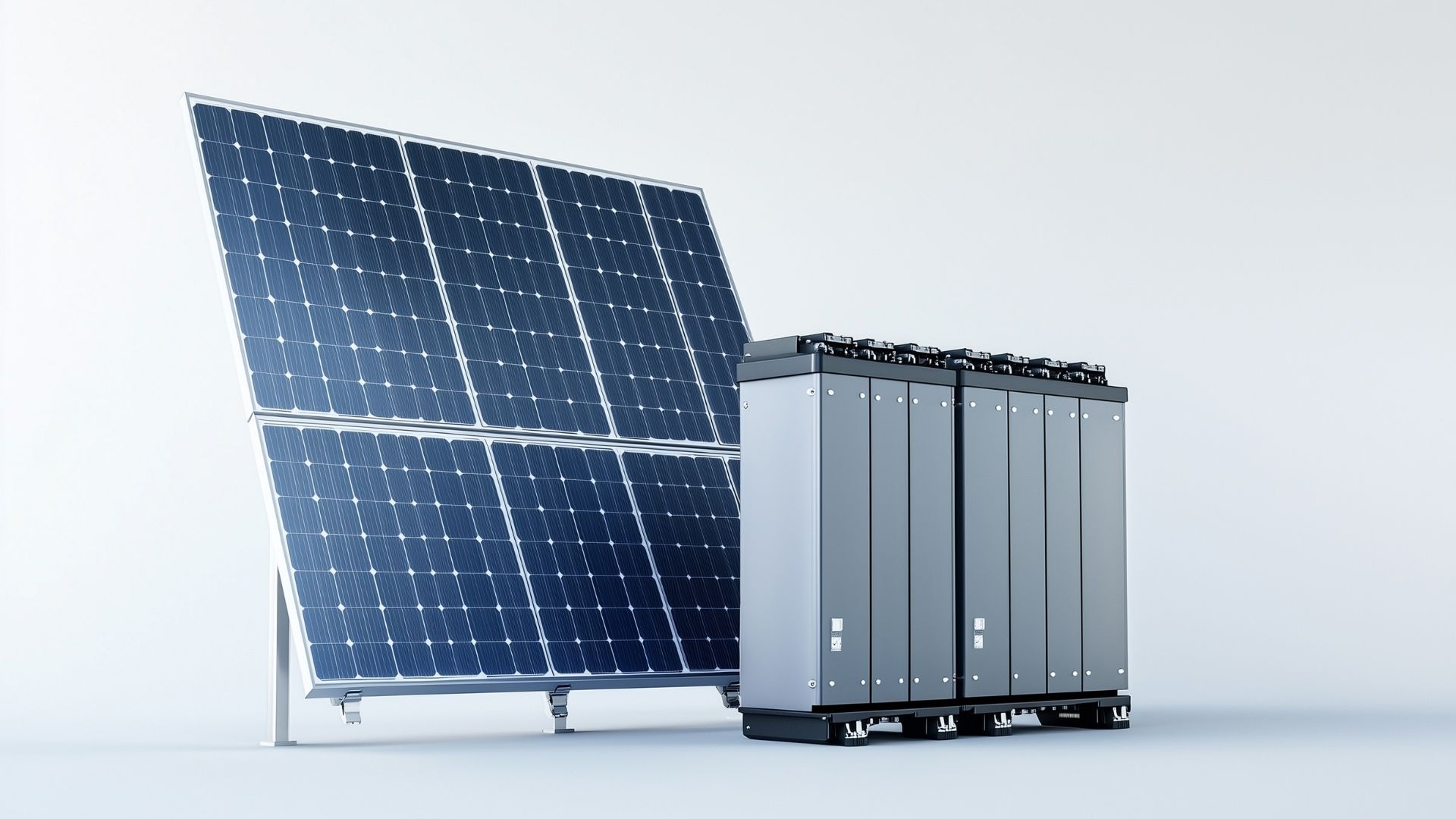
A grid-connected PV system is the most common type of solar installation in Australia. Your solar panels generate DC electricity, an inverter converts it to AC, and any excess goes back to the grid in exchange for a feed-in tariff. When your panels aren't producing enough — at night or during overcast days — you draw power from the grid as normal.
The key components in an grid-connected setup are:
- Solar panels (monocrystalline or bifacial)
- String or hybrid inverter
- Generation meter
- Bidirectional import/export meter
- SA Power Networks (SAPN) connection approval
If you add a battery, the system becomes a hybrid grid-connected system. For Adelaide homes, this is increasingly popular given SA's time-of-use tariffs. Learn more about how grid-connected residential solar PV systems work with SBSE.
How PV Systems Design Affects Your Output
Two systems with the same number of panels can produce very different amounts of electricity depending on how they're designed. Key design factors include:
Panel Orientation and Tilt
In Adelaide, north-facing panels at a 30–35 degree tilt produce the most annual energy. East-west split arrays work well for homes with peak usage in the morning and evening. Flat commercial rooftops use tilt frames to optimise the angle.
Shading Analysis
Even partial shading — from a chimney, satellite dish, or nearby tree — can significantly reduce output on string inverter systems. A proper systems design process includes a shade analysis using tools like PVsyst or Aurora Solar. Where shading is unavoidable, microinverters or DC optimisers are specified instead of a standard string inverter.
System Size and Load Matching
The right system size depends on your daily energy consumption, tariff structure, and whether you're adding battery storage. For a typical 3–4-bedroom Adelaide home using 18–22 kWh/day, a 6.6-10 kW system is the common range. Larger households or those with EVs or pool pumps often benefit from 13.2 kW systems. See how a 13.2 kW solar system paired with a 20 kWh battery performs in an Adelaide home.
Inverter Selection
Inverter choice affects reliability, monitoring capability, and battery compatibility. SBSE installs Sungrow, Fox ESS, and SigenStor (Sigenergy) inverters depending on the system configuration. For hybrid systems where battery storage is planned — now or later — a hybrid inverter with battery-ready outputs is specified from the start.
Grid-Connected PV Systems Design for Battery Storage
Adding battery storage to a grid-connected PV system requires careful planning at the design stage. The battery must be sized to match your evening and overnight load, and the inverter must support AC or DC coupling, depending on the battery chemistry and brand.
Common battery options SBSE installs in Adelaide:
| Brand/Model | Usable Capacity | Chemistry | Best Application |
|---|---|---|---|
| Tesla Powerwall 3 | 13.5 kWh | LFP | Whole-home backup, EV charging |
| Sungrow SBR HV | 9.6–25.6 kWh (modular) | LFP | Scalable storage for medium-large homes |
| SigenStor (Sigenergy) | 10–30 kWh (modular) | LFP | All-in-one hybrid with EV charger integration |
| Fox ESS ECS | 10.24–30.72 kWh | LFP | Three-phase homes,high-capacityy needs |
| Growatt ARK | 7.5–30 kWh (modular) | LFP | Budget-conscious installs with scalability |
If you're eligible for the SA Home Battery Scheme, a properly designed system can qualify you for up to $2,000 off a battery. Read our guide on the South Australia solar battery rebate for 2025.
Grid-connected PV System Approvals in South Australia
All grid-connected PV systems in SA must be approved by SA Power Networks (SAPN) before connection. The approval process depends on system size:
- Up to 10 kW inverter output: standard notification process (usually 10–15 business days)
- 10–30 kW: technical assessment required, may need additional protection equipment
- Three-phase systems: SAPN network impact assessment required
- Commercial systems over 30 kW: full technical design submission and longer lead times
SBSE handles all SAPN documentation, metering changes, and connection approvals as part of every installation. You don't need to manage any of this yourself.
Commercial Solar and Three-Phase PV Systems Design
For Adelaide businesses, commercial solar PV system design involves additional considerations beyond a residential installation:
Load Profile Analysis
Commercial systems are sized to match peak daytime demand, not just annual energy production. A good design offsets your highest-cost consumption periods — typically 7 am to10 pmm on business days — and minimises demand charges where applicable.
Three-Phase Systems
Most commercial premises in Adelaide are on three-phase power. A three-phase PV system distributes generation evenly across phases, reducing import on any single phase. SBSE designs and installs three-phase solar systems from 10 kW to 100 kW+, including high-capacity battery retrofits for commercial premises.
EV Charging Integration
If you operate a fleet or want to add EV chargers at your business, this needs to be factored into the PV system design from the start. The SigenStor system includes integrated EV charging management, allowing solar energy to be directed to vehicle charging during peak generation hours.
Frequently Asked Questions
How long does a PV system design take before installation?
For a standard residential grid-connected system in Adelaide, the design and quote process takes 3–5 business days. This includes site assessment, shading analysis, system sizing, and SAPN notification lodgement. Commercial systems with three-phase supply or battery storage typically take 5–10 business days.
What size PV system do I need for an Adelaide home?
Most Adelaide households installing solar for the first time choose between 6.6 kW and 13.2 kW. A 6.6 kW system produces around 26–28 kWh/day on average in Adelaide. A 10 kW system produces around 38–42 kWh/day. If you're adding EV charging or a pool, size up. If you're planning to add battery storage, a larger array gives you more to store.
Do I need a hybrid inverter if I want to add a battery later?
Not always — some batteries (like the Tesla Powerwall 3) are AC-coupled and can be added to any existing solar system without changing the inverter. But if you want a tightly integrated system with better efficiency, specifying a hybrid inverter from the start is the better option. SBSE can advise which approach suits your situation during the design consultation. For those already on solar, read our guide to adding a battery to existing solar in Adelaide.
Can I add solar panels to my existing system?
Yes, but it depends on your inverter capacity and SAPN's approved export limit for your property. Most Adelaide homes are approved for up to 10 kW of inverter output on single-phase. Expanding beyond that requires a new SAPN application. SBSE assesses your existing setup and advises whether expansion is straightforward or requires additional approvals.
Get a Solar PV System Design for Your Adelaide Property
SBSE is a CEC-accredited solar business based in Dulwich, Adelaide. Over 2,200 solar installations have been completed across Adelaide and Melbourne. Every system — residential or commercial — is designed and installed by our own SA-licensed electricians. No subcontractors. Full documentation. Solar monitoring included.
Call 1300 789 291 or visit www.sbse.com.au to request a solar proposal.