Solar Proposal Tool: How Adelaide Installers Size and Quote Solar Systems
When you get a solar quote, there's a process happening behind the scenes. Your installer enters your energy data, roof measurements, and shading details into a solar proposal tool. That tool calculates system size, annual yield, payback period, and battery compatibility — then produces the document you receive. Understanding how that process works helps you ask better questions and spot a lazy quote when you see one.
At Sunbeam Solar and Electrical Solutions (SBSE), our SA-licensed electricians use design software to generate accurate, site-specific proposals for every Adelaide home we quote. Here's what goes into a professional solar proposal — and what to watch out for.
What a Solar Proposal Tool Actually Does
A solar proposal tool connects several data sources to build an accurate system design. Good software pulls from satellite imagery to map your roof, Bureau of Meteorology irradiance data to calculate solar hours in your postcode, and your retailer bill to match system output to actual consumption.
The output is a detailed document that should include:
- Recommended system size in kW (panels) and kWh (battery if applicable)
- Panel brand, model, and efficiency rating
- Inverter brand and capacity
- Estimated annual generation in kWh
- Feed-in tariff assumptions (currently around 3–5 c/kWh in SA)
- Payback period calculation based on current tariff rates (around 35–40 c/kWh in Adelaide)
- Applicable SA government rebates and incentives
If a quote you receive doesn't include most of these items, the installer has not done a thorough design — they've guessed.
How System Size Is Calculated for Adelaide Homes
Adelaide gets around 5.0–5.3 peak sun hours per day — one of the highest averages of any Australian capital. That's a meaningful advantage. A 6.6kW system here can generate approximately 9,500 kWh per year, compared to about 8,400 kWh in Melbourne for the same system.
System sizing starts with your annual consumption in kWh, which is on every Powershop, AGL, or Origin bill. A typical Adelaide home uses 15–20 kWh per day. Divide that annual figure by 365, then by 5.1 (peak sun hours), and factor in an 80% efficiency rate to get a rough panel capacity target.
What complicates that calculation:
- How much of your usage happens during daylight hours (self-consumption potential)
- Roof orientation — north-facing roofs in Adelaide produce roughly 15–20% more than west-facing
- Shading from trees, chimneys, or neighbouring buildings
- Whether you plan to add an EV, pool pump, or ducted reverse cycle system in the next 3 years
Our licensed electricians assess all of these factors before recommending a system. We install Tindo Solar panels — Australian-made in Adelaide — for clients who want locally manufactured panels with a 25-year warranty backed by an Australian company.
For a detailed look at a real-world grid-connected system design, see our guide to on-grid residential solar PV systems in Australia.
Battery Storage: When Does It Make Sense in Your Proposal?
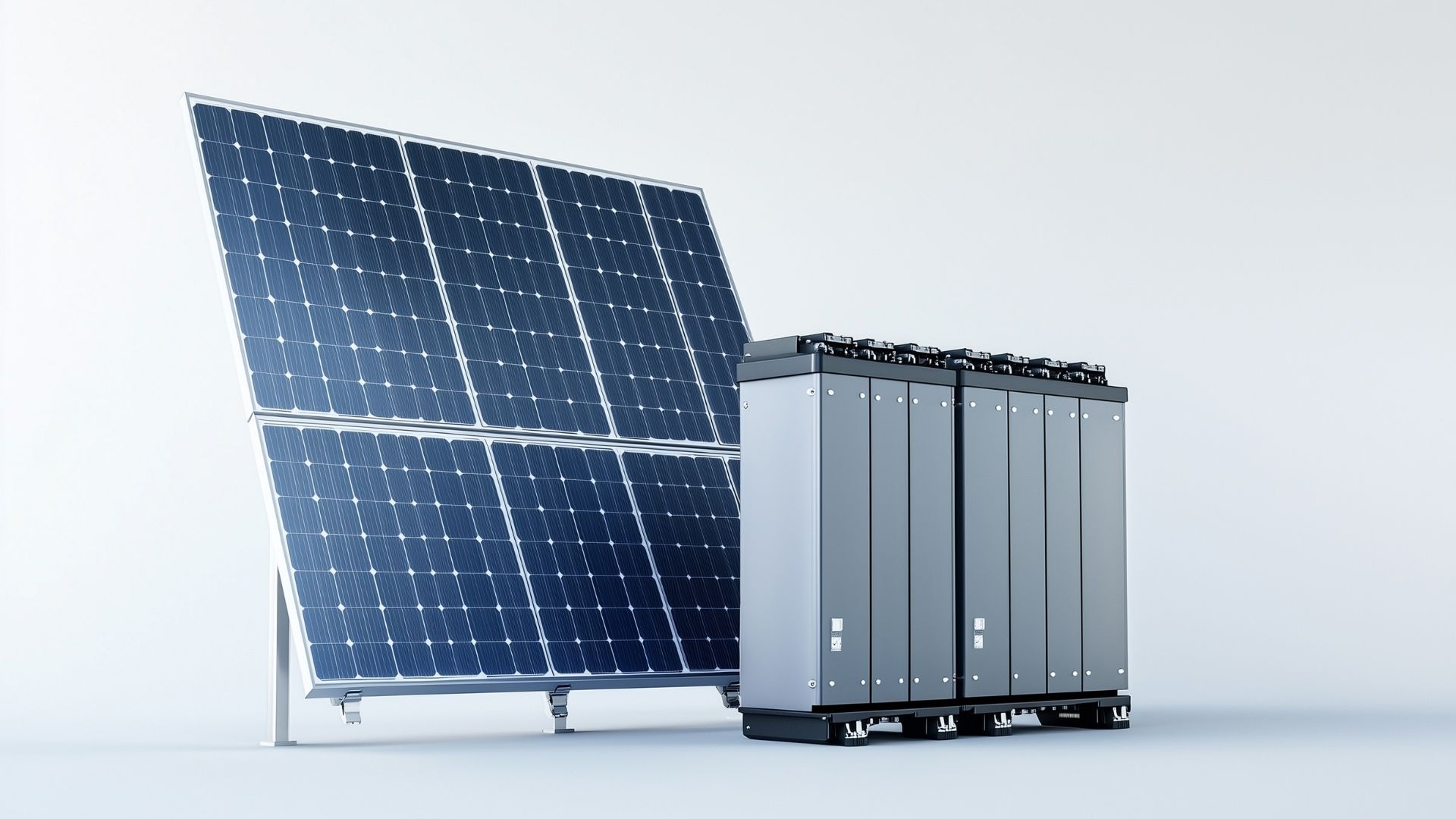
Adding battery storage to a solar proposal changes the maths. The battery only makes financial sense if you have significant evening consumption that you'd otherwise be buying from the grid at 35–40 c/kWh.
A 10kWh battery (like the Sungrow SBR100) costs roughly $8,000–$10,000 installed in Adelaide at the moment. With SA's Virtual Power Plant (VPP) programs, you may recover an additional $500–$1,000 per year through grid export payments on top of your normal savings.
Battery payback is typically 8–12 years for most Adelaide homes without rebates. With the SA Home Battery Scheme, which has provided subsidised loans of up to $10,000 in past rounds, payback can drop to 5–7 years. Our guide to the solar battery subsidy in Adelaide for 2024/2025 covers the current rebate status in detail.
Brands we install and their key specifications:
| Brand / Model | Usable Capacity | Chemistry | Best Application |
|---|---|---|---|
| Tesla Powerwall 3 | 13.5 kWh | Lithium NMC | Large homes, EV charging, VPP |
| Sungrow SBR100 | 9.6 kWh | Lithium LFP | Adding battery to existing solar in Adelaide |
| SigenStor (Sigenergy) | 10 kWh | Lithium LFP | New solar + battery combo systems |
| Fox ESS ECS Series | 10.24 kWh | Lithium LFP | High-capacity battery retrofit for existing systems |
| Growatt ARK Series | 10 kWh (stackable to 30 kWh) | Lithium LFP | Homes with high overnight loads or small businesses |
What Separates a Good Solar Proposal from a Poor One
A detailed solar proposal includes specific numbers. A poor one uses phrases like "estimated savings" without backing them up.
Here's what a thorough solar proposal covers versus a rushed one:
| Proposal Element | Professional Proposal | Lazy Quote |
|---|---|---|
| System size justification | Based on your bill data + roof assessment | "6.6kW suits most homes" |
| Annual yield estimate | Specific kWh figure for your postcode + orientation | Vague "up to X%" savings claim |
| Payback period | Calculated using actual SA tariff rates and your consumption | "Pays for itself in 3–5 years" (no source) |
| Panel specs | Brand, model, efficiency %, warranty | "Tier 1 panels" |
| Inverter specs | Brand, model, capacity, monitoring | "Quality inverter included" |
| Rebate calculations | STC discount applied, SA rebate eligibility checked | Ignored or buried in fine print |
Every SBSE proposal is produced by the same SA-licensed electrician who will install the system. No subcontractors. No call centres. We've completed 2,200+ installations across Adelaide and Melbourne, and the proposal process is handled the same way each time.
How SBSE Handles Large Solar + Battery Combinations
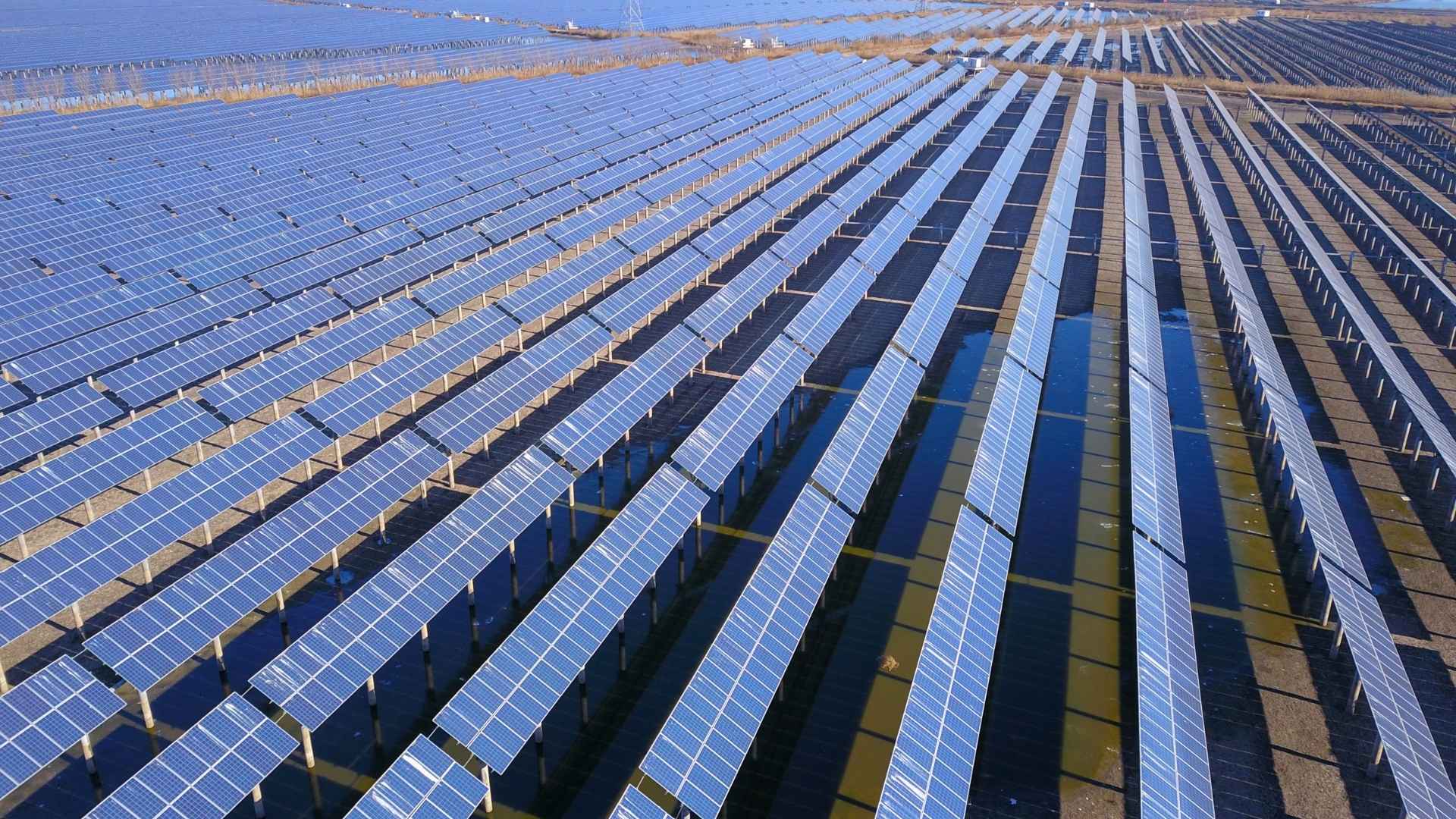
For homes with high energy use — ducted reverse cycle air conditioning, pool pumps, EVs, or families using 25+ kWh per day — a larger system with paired battery storage is worth pricing seriously.
A 13.2kW solar system paired with a 20kWh battery is one of our most common configurations for high-consumption Adelaide homes. At current SA electricity prices, this combination can offset $3,500–$4,500 per year in grid costs. Payback on the full system sits at 6–9 years depending on usage patterns and whether a VPP contract is in place.
For a detailed breakdown of this system size and what it costs, see our article on 13.2kW solar with 20kWh battery for Australian homes.
If you already have a legacy solar system and want to upgrade, we also specialise in replacing older inverters and adding new battery storage to existing setups. Battery retrofits require careful compatibility checks — not all inverters support AC coupling or DC-coupled storage. Our in-house electricians assess this during the site visit, not after you've signed.
More on this process: upgrading to high-capacity battery storage for Australian homes.
Thermal Load-Shifting: Using Solar to Run Your Air Conditioning
Adelaide has some of the hottest summers in Australia. Running ducted reverse cycle A/C from January through March is unavoidable for most households. The problem is that peak summer heat often coincides with peak solar generation — which means you can run your A/C during the day almost entirely off your own panels.
Thermal load-shifting means pre-cooling your home between 10am and 3pm when solar generation peaks, then turning off or reducing the A/C in the late afternoon when grid electricity is most expensive (typically 3pm–9pm in SA under time-of-use tariffs). A 6.6kW system can generate enough to run a 2.5kW ducted A/C unit and still export power to the grid simultaneously at midday.
The strategy works even better with a battery. You cool the house during peak solar hours, let the battery charge, then draw on stored power in the evening instead of paying 35–40 c/kWh from the grid.
Frequently Asked Questions About Solar Proposals in Adelaide
How long does a solar proposal take to receive from SBSE?
After your initial enquiry, we aim to deliver a written proposal within 48–72 hours. For larger or more complex systems (13kW+, battery storage, three-phase), allow 3–5 business days. A thorough design takes time. If a company sends you a quote within 10 minutes of a phone call, they haven't designed anything — they've sent a price list.
What information do I need to provide to get an accurate quote?
Your most recent 12 months of electricity bills is the most useful starting point. If you only have one quarter, that's fine — we'll note the limitations. We also need your suburb (for irradiance data), roof orientation (north, west, east), and whether you have any shading. A short site visit, which SBSE does at no charge, resolves all remaining variables.
What does a solar system cost in Adelaide in 2025?
A 6.6kW solar-only system installed by CEC-accredited installers in Adelaide typically costs $6,500–$9,000 after the federal STC rebate. A 10kW system runs $9,000–$13,000. Adding a 10kWh battery brings the total to $15,000–$20,000 depending on the brand. Tesla Powerwall 3 installations sit at the higher end; Sungrow and Growatt systems offer similar LFP chemistry at lower prices.
Does SBSE use subcontractors?
No. Every SBSE installation is carried out by our own SA-licensed electricians. We don't outsource to subcontractors. That matters because the person who signs off on your system is directly accountable — not an intermediary who won't answer your call six months later.
What rebates apply to solar in Adelaide right now?
As of mid-2025, the main financial incentive for Adelaide homeowners is the federal Small-scale Technology Certificate (STC) scheme, which provides an upfront discount averaging $2,500–$4,000 on most residential systems (applied at point of sale). The SA Home Battery Scheme has run in multiple rounds and is worth checking for current availability. STCs are calculated based on your postcode zone and system size, so the exact discount varies. See our article on solar battery rebates in Adelaide for 2025 for current figures.
Get a Quote for Your Adelaide Home
If you want a solar proposal that's based on your actual roof, your actual bill, and your actual usage patterns — not a generic price list — contact SBSE directly.
We are a CEC-accredited installer based in Dulwich, Adelaide, and have completed over 2,200 installations across Adelaide and Melbourne. Every system is designed and installed by our own licensed electricians.
Call us on 1300 789 291 or visit www.sbse.com.au to request a quote.