Solar Proposal Tool: What Adelaide Homeowners Should Expect in a Professional Solar Quote
Most Adelaide homeowners collect three or four solar proposals and have no idea how to compare them. One quote has three pages. Another has twelve. One lists the solar panel brand and model; another says "Tier 1 panels." One prices a solar battery; another ignores it completely. There's no mandated format, so proposals look completely different from one installer to the next.
That's a problem. A solar system is a $7,000–$20,000 purchase sitting on your roof for 25 years. Understanding what a professional solar proposal tool produces — and what it should contain — is the only reliable way to separate a thorough quote from a lazy one.
At Sunbeam Solar and Electrical Solutions (SBSE), we are a CEC-accredited installer based in Dulwich, Adelaide. We have completed over 2,200 installations across Adelaide and Melbourne. Every proposal we produce covers what is described below.
How Solar Proposal Software Works for Adelaide Installations
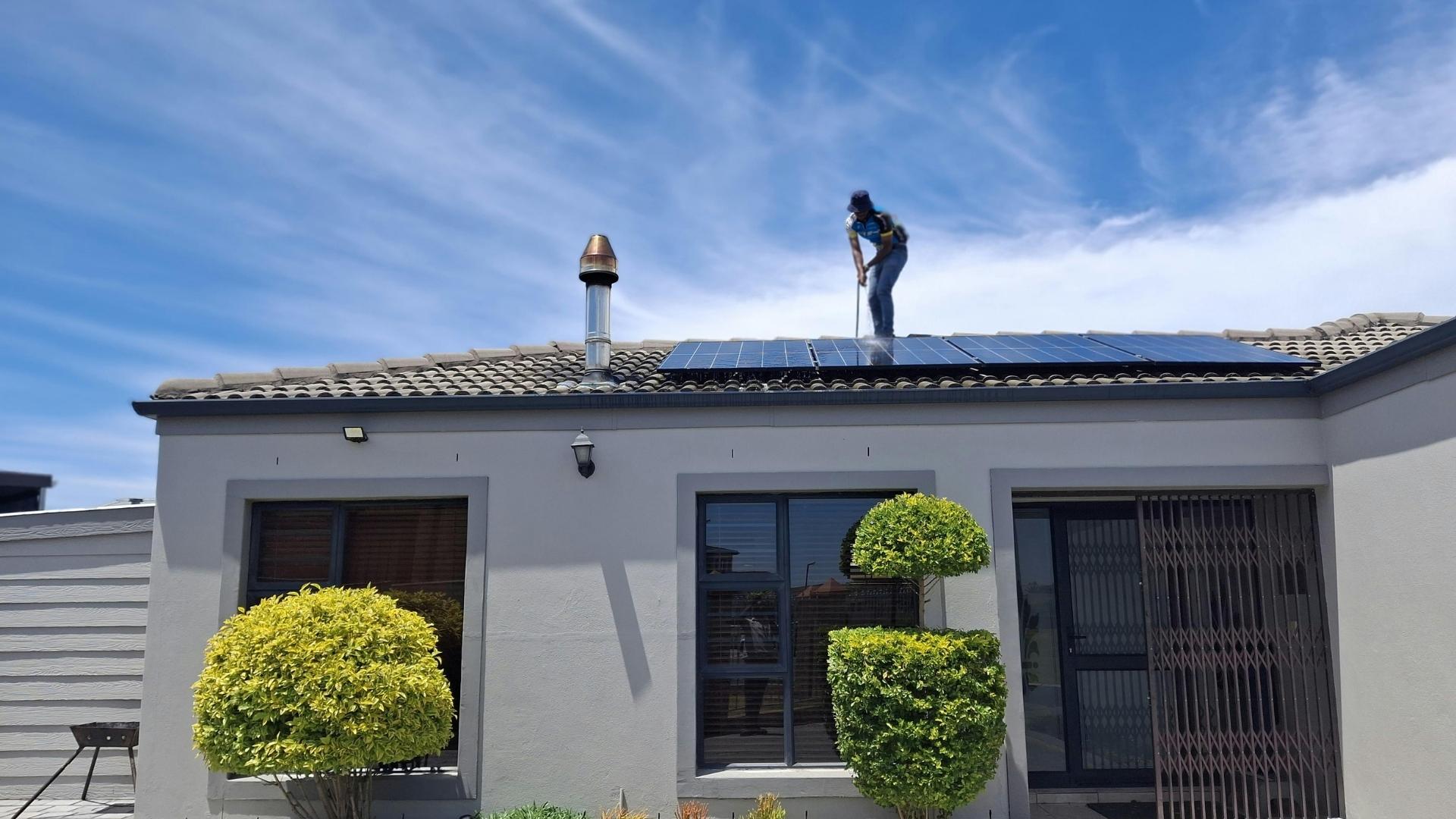
A solar proposal tool is the design software your installer uses to size your system and produce the quote document. Professional software combines satellite roof imagery, Bureau of Meteorology irradiance data for your Adelaide postcode, and your electricity consumption to generate an accurate, site-specific system design.
Adelaide averages 5.0–5.3 peak solar hours per day — among the highest of any Australian capital. A proper solar proposal tool uses that local data, not a national average, to calculate your specific kW system output and annual yield.
Installers using good solar design software produce proposals with your exact roof dimensions, shading analysis, rooftop solar panel layout, and a year-by-year performance estimate. Installers not using design software send you a price list. That difference matters more than which solar panels they have quoted.
For a full breakdown of what goes into a grid-connected residential system design, read our guide to on-grid residential solar PV systems in Australia.
What a Professional Solar Proposal Must Include
Every well-built solar proposal for an Adelaide home should contain the following. If your quote is missing most of these, ask for a revised document before making any decisions.
| Proposal Element | What It Should Say | Red Flag |
|---|---|---|
| kW system size | Specific kW figure based on your bill data and roof assessment | "6.6kW suits most homes" with no explanation |
| Solar panel brand and model | Full brand, model number, efficiency rating (%) | "Tier 1 panels" or "quality panels" |
| Inverter brand and model | Brand, model, capacity, monitoring app name | "Quality inverter included" |
| Estimated annual yield | Specific kWh/year for your postcode and roof orientation | "Up to X% savings" with no kWh figure |
| Payback period | Calculated from your consumption and current SA tariff (35–40 c/kWh) | "Pays for itself in 3–5 years" — no workings shown |
| STC rebate | Dollar amount applied, based on your postcode zone and system size | No mention, or buried in fine print |
| SA solar rebates | Home Battery Scheme status checked and noted | Ignored entirely |
| Installer credentials | CEC accreditation number, electrical contractor licence | "Fully accredited team" with no specifics |
Solar System Design and kW System Sizing for Adelaide Homes
System sizing starts with your annual electricity consumption in kWh — printed on every AGL, Origin, or Powershop bill. A typical Adelaide home uses 5,000–7,500 kWh per year (15–20 kWh per day). A 6.6kW solar system in Adelaide generates approximately 9,500 kWh per year, based on 5.1 average peak sun hours.
What the solar system design must account for beyond consumption
- Roof orientation — north-facing produces 15–20% more than west-facing in Adelaide
- Shading from trees, chimneys, or neighbouring structures
- Proportion of usage during daylight hours (self-consumption ratio)
- Planned load increases: EV charger, pool pump, ducted reverse cycle A/C
- Whether the property has single-phase or three-phase supply
A solar proposal that doesn't address at least three of these factors for your specific property has not been properly designed using a solar proposal tool — it's been estimated.
Solar Battery Options: What Your Proposal Should Tell You
If a solar proposal includes a solar battery, or you have asked about one, the document needs to give you enough detail to evaluate it. Vague references to "backup power" or "energy savings" are not sufficient.
What a thorough solar battery proposal includes
- Battery brand, model, and usable capacity in kWh
- Battery chemistry (LFP is more thermally stable and longer-lasting than NMC for most Adelaide homes)
- Warranty period and cycle life rating
- Estimated annual savings from the solar battery specifically — separate from solar savings
- Solar battery payback period calculated independently from the panels
- VPP-ready status (SA Virtual Power Plant eligibility)
- SA Home Battery Scheme loan eligibility and dollar amount
Solar battery payback in Adelaide without rebates typically runs 8–12 years at current electricity prices. With the SA Home Battery Scheme, which has offered subsidised loans up to $10,000 in past rounds, payback can reduce to 5–7 years. Current figures are in our guide to the solar battery subsidy in Adelaide for 2024/2025.
If you already have solar and are adding a battery, the proposal must include an inverter compatibility assessment. Not all inverters support DC-coupled battery storage. Our full guide to adding a solar battery to existing solar in Adelaide covers what that check involves.
Solar Battery Brands SBSE Installs: Comparison by System Design
Any SBSE proposal involving a solar battery includes the following detail for whichever brand suits your system design.
| Brand / Model | Usable Capacity | Chemistry | Best Application |
|---|---|---|---|
| Tesla Powerwall 3 | 13.5 kWh | Lithium NMC | Large homes, EV charging, VPP participation |
| Sungrow SBR100 | 9.6 kWh | Lithium LFP | Adding solar battery to existing systems in Adelaide |
| SigenStor (Sigenergy) | 10 kWh | Lithium LFP | New solar + battery combination installs |
| Fox ESS ECS Series | 10.24 kWh | Lithium LFP | High-capacity battery retrofit for upgraded systems |
| Growatt ARK Series | 10 kWh (stackable to 30 kWh) | Lithium LFP | High overnight loads, small commercial solar applications |
Solar System Prices: What to Expect in Adelaide in 2025
Residential kW solar system prices after STC rebate
- 6.6kW solar system: $6,500–$9,000 installed (CEC-accredited installer)
- 10kW solar system: $9,000–$13,000 installed
- 13.2kW solar system: $13,000–$18,000 installed
- 10kWh solar battery added: $8,000–$10,000 additional (Sungrow, Fox ESS, or Growatt)
- Tesla Powerwall 3 (13.5kWh): $12,000–$15,000 installed
All prices listed are after the federal STC rebate ($2,500–$4,000 for most Adelaide homes), which must be shown as a separate line item in your proposal. If the rebate is buried in a lump-sum price, ask for it to be itemised.
Commercial Solar Proposals: How They Differ from Residential
Commercial solar proposals involve additional complexity that residential solar proposal tools don't always handle well. Key differences include three-phase supply assessment, demand tariff analysis, network approval for larger systems (typically above 30kW), and depreciation calculations for business energy savings.
What a commercial solar proposal must include beyond residential requirements
- Demand tariff modelling — not just consumption offset
- Network operator approval timeline (can add 4–12 weeks to commercial installations)
- System design for flat or low-pitch commercial roofing, which differs from residential rooftop solar panel layouts
- Business energy savings projected over 5, 10, and 20 years
- Depreciation and instant asset write-off eligibility
SBSE handles both residential and commercial solar installations across Adelaide. See our page on certified commercial solar service in Australia for what a commercial proposal covers.
Large Solar System Design: 13kW Solar with Battery for High-Use Homes
For Adelaide homes with ducted reverse cycle air conditioning, pool pumps, EVs, or daily consumption above 25 kWh, a larger kW system with solar battery storage is worth pricing as a separate proposal line.
A 13.2kW solar system paired with a 20kWh solar battery is one of our most common configurations for high-consumption Adelaide homes. At current SA electricity prices, this combination offsets $3,500–$4,500 per year in grid costs. Full system payback sits at 6–9 years depending on usage and VPP participation.
See our detailed breakdown of the 13.2kW solar with 20kWh battery for Australian homes.
If your property has a legacy solar system from 2012–2018 running on a failing inverter, a replacement proposal is handled differently to a new installation. See our guide to legacy solar system replacement for Australian homes for what that process involves.
Comparing Multiple Solar Proposals: Five Specific Things to Check
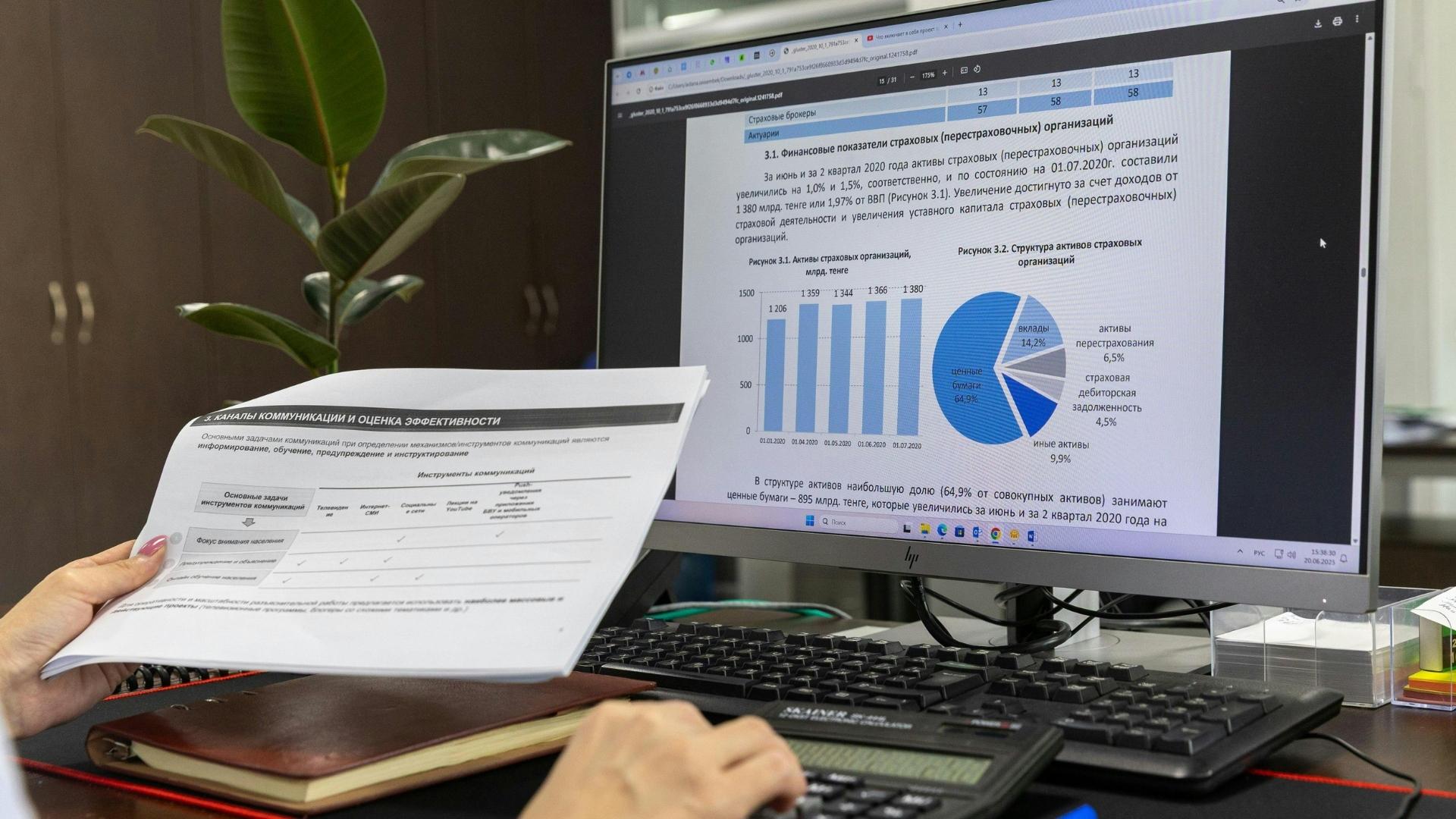
When you have two or three quotes in front of you, compare on these points — not just total price:
- Annual yield in kWh — Two proposals for the same kW system showing different annual kWh outputs means one installer used different shading or orientation assumptions. Ask why.
- Solar panel model and efficiency — A 400W solar panel at 21% efficiency and a 400W panel at 19.5% efficiency are not equivalent. Higher efficiency means more output from the same rooftop solar area.
- Inverter warranty period — A 5-year inverter warranty and a 10-year warranty are meaningfully different. Inverter replacements in Adelaide cost $1,200–$2,500 depending on kW system size.
- Who installs the system — Ask whether the company uses their own licensed electricians or subcontractors. Subcontracted work means limited accountability after the job is done.
- Solar rebates itemised — The STC rebate ($2,500–$4,000 for most Adelaide homes) must appear as a separate line item. If buried in the lump sum, ask for it broken out.
Thermal Load-Shifting: A Solar Strategy Your Proposal Should Flag
Adelaide's grid electricity is most expensive under time-of-use tariffs from roughly 3pm–9pm. Your rooftop solar panels generate peak power between 10am and 3pm. That gap is the core of why thermal load-shifting works and why any installer using a proper solar proposal tool should mention it if you have ducted air conditioning.
Pre-cooling your home between 10am and 2pm — when solar generation is at full capacity — means running the A/C on your own power. The house stays cool into the evening without drawing from the grid at peak-rate hours. With a solar battery added, you store midday generation and draw it down from 3pm–9pm, avoiding the 35–40 c/kWh grid rate for most of the day.
Solar Rebates in Adelaide: What Your Proposal Must Show
Federal STC rebate
The Small-scale Technology Certificate (STC) scheme reduces the upfront cost of your solar system at point of sale. For most Adelaide residential systems, this equates to $2,500–$4,000 off the installed price. The exact amount depends on your postcode zone (Adelaide is Zone 3) and your kW system size. It must be shown as a separate line item in any professional solar proposal.
SA Home Battery Scheme
The SA Home Battery Scheme has run in multiple rounds offering subsidised loans up to $10,000 for eligible solar battery installations. Your installer should confirm current round availability and note eligibility in your proposal. Current status: solar rebates for Adelaide homeowners in 2025.
Frequently Asked Questions About Solar Proposals in Adelaide
What should a professional solar proposal include?
A professional solar proposal must include: kW system size with justification, specific solar panel brand and model, inverter brand and model, estimated annual yield in kWh for your postcode and roof orientation, payback period based on actual SA tariff rates (35–40 c/kWh), STC rebate itemised separately, solar battery options if requested, and CEC accreditation details. A proposal missing most of these is incomplete.
How long should a solar proposal take to receive?
A properly designed solar proposal for a standard 6.6kW residential system in Adelaide takes 48–72 hours. Systems involving solar battery storage, three-phase power, or 10kW+ take 3–5 business days. Any proposal sent within minutes of a phone enquiry has not been individually designed using a solar proposal tool — it is a price list.
What does a 6.6kW solar system cost in Adelaide in 2025?
A 6.6kW solar system installed by a CEC-accredited installer in Adelaide costs $6,500–$9,000 after the STC rebate. A 10kW system runs $9,000–$13,000. Adding a 10kWh solar battery (Sungrow, Fox ESS, or Growatt) brings the total to $15,000–$20,000. Tesla Powerwall 3 installations sit at the upper end of that range.
What solar rebates apply to Adelaide homeowners in 2025?
The federal STC scheme provides $2,500–$4,000 off most Adelaide residential solar systems at point of sale. The SA Home Battery Scheme has offered subsidised loans up to $10,000 for solar battery storage across multiple rounds. Both must be itemised in your solar proposal. Current figures: solar battery subsidy Adelaide 2024/2025.
Does SBSE use subcontractors for solar installations?
No. Every SBSE installation is carried out by our own SA-licensed electricians. We do not use subcontractors. The person who designs your solar system using our proposal tool is the same person responsible for installing it and supporting it after the job is done.
What is the difference between a solar proposal and a solar quote?
A quote gives you a price. A solar proposal gives you a system design, a price, and the reasoning behind both. It shows why the kW system is sized the way it is, what the annual savings look like, which solar panels and solar battery are recommended and why, and what rebates apply. If you have only received a price, ask for the full solar proposal document before signing anything.
Get a Solar Quote for Your Adelaide Home
If you want a solar proposal built around your actual roof, your actual electricity bill, and your actual usage — not a generic PDF with your name substituted in — contact SBSE directly.
CEC-accredited installer. Based in Dulwich, Adelaide. Over 2,200 installations completed across Adelaide and Melbourne. All system design and installation carried out by our own SA-licensed electricians. No subcontractors.
Call 1300 789 291 or visit www.sbse.com.au to request a quote.