Solar System Design: The Ultimate Guide for Australian Solar Professionals
The Australian energy landscape is undergoing a seismic shift. From the suburban streets of Melbourne to the sun-drenched commercial hubs of Brisbane and Perth, solar energy has moved from a niche alternative to a primary power source. However, as the market matures, the difference between a mediocre installation and a high-performance asset lies in one critical phase: solar system design. For solar retailers and installers, mastering this craft isn't just about efficiency—it's about survival in a competitive, highly regulated industry. Adopting a smarter solar design tool in Australia is the most efficient way to ensure your business remains technically superior and profitable.
In Australia, a well-executed solar system design must account for more than just putting panels on a roof. It involves a deep understanding of local climate conditions, orientation, shading, and the specific electrical requirements of the Australian grid. Whether you are working on a small residential unit or a massive commercial solar power project, the design phase dictates the return on investment (ROI) for the client and the long-term reliability of the system. We ensure that our solar CRM tools provide the exact technical oversight required for modern Australian solar retailers to thrive in 2026.
Key Components of Modern Solar PV Systems
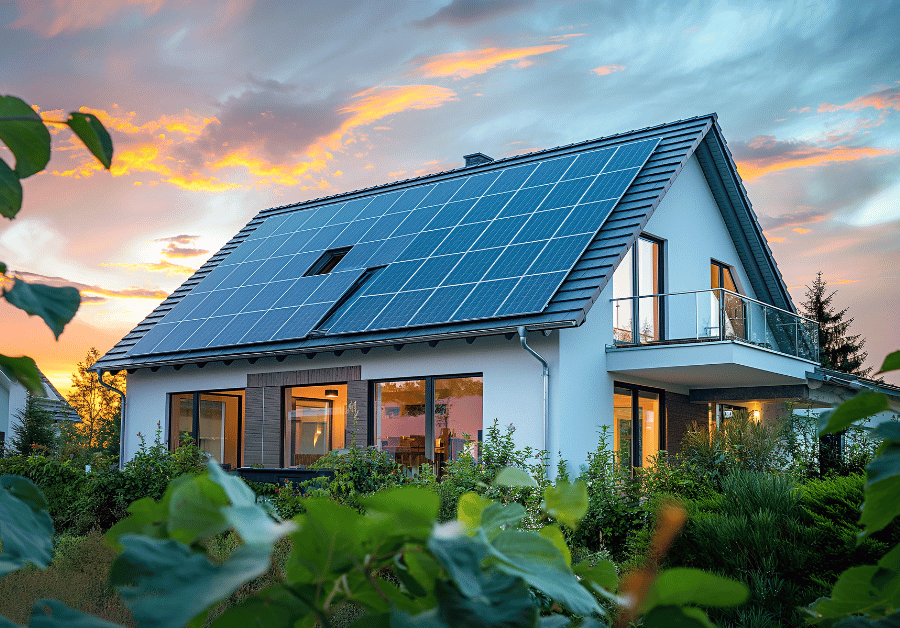
When we talk about solar PV systems today, we are looking at an integrated ecosystem of technology. Gone are the days of simple grid connected setups; modern designs often include complex battery storage systems and smart energy management interfaces. A professional system design ensures that every solar panel operates at its peak potential. This involves sophisticated PV systems design that calculates the specific yields based on location, such as the high-irradiance areas of Queensland or the variable cloud cover in Hobart. To see how these technologies integrate, read our guide on powering Australian solar businesses with CRM technology.
- Solar PV Modules: Choosing the right solar panels is the foundation. High-efficiency modules are essential for maximising limited roof space.
- Inverters: The heart of the solar power system, converting DC to AC. In Australia, selecting SAA accredited inverters is non-negotiable for safety.
- Battery Storage: With the rise of the "prosumer," battery storage and solar battery integration are now standard features.
- Racking and Mounting: Ensuring the installation can withstand Australian wind loads as per strict AS/NZS 1170.2 standards.
Navigating Australian Standards and Accreditation

To design and install solar in Australia, professionals must adhere to strict guidelines. Solar Accreditation Australia (SAA) is the leading body ensuring that installers and designers maintain high standards. Being an SAA accredited grid designer means you understand the nuances of grid connected solar PV and the specific safety protocols required for hazardous areas or complex electrical environments. If you are looking for a preferred location for your training, it is vital to choose a provider that aligns with these SAA accredited standards. For retailers, using a professional CRM for solar companies helps automate much of the compliance documentation required.
The Shift to Commercial Solar Design
While residential solar remains strong, commercial solar is where the most complex solar system design challenges exist. A 100kw solar system or larger requires detailed load profile analysis. Designers must look at how a business consumes energy throughout the day to ensure the system kW output matches the peak demand. Professional designers utilise advanced software to simulate grid connected solar performance over 25 years, ensuring that every business investment is backed by accurate data and realistic financial projections.
Comparison: Manual Design vs. Integrated Software Design
| Feature | Manual/Spreadsheet Method | Integrated Design (SolarHub CRM) |
|---|---|---|
| Design Speed | 2-4 Hours | 15-20 Minutes |
| Accuracy | Prone to human error | High (Automated Calcs) |
| Customer Visuals | Basic or none | Professional 3D Renderings |
| Lead Integration | Fragmented | Seamless (One Workspace) |
Optimising Designs for the Australian Climate
Australia’s climate is harsh. A solar system design that works in Sydney might not be ideal for the tropical humidity of Darwin or the frosty mornings in Adelaide. Designers must consider temperature coefficients; as solar panels heat up, their efficiency drops. In Australian summers, this can significantly impact solar power production. For coastal installations in Brisbane or Perth, hardware must be rated for salt air to prevent premature system failure. Using tools to map the "solar path" throughout the year ensures that nearby trees or buildings don't ruin the PV systems performance.
The Future: Smart Design with SolarHub CRM
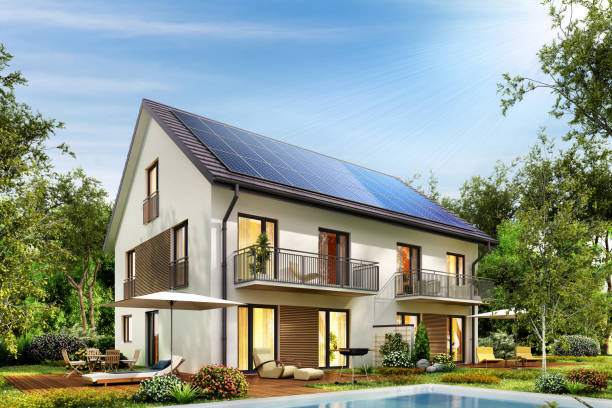
Managing a solar business in Australia involves juggling leads, site visits, and complex electrical calculations. This is where SolarHub CRM changes the game. Built specifically for the Australian solar industry, it allows your team to complete a full solar system design, generate a quote, and manage the installation from a single screen. With an intuitive drag-and-drop design studio, you can sketch solar panels on a roof, place batteries, and manage strings via DC cable in minutes. The platform handles all the advanced calculations, including energy production and financial metrics like NPV and IRR.
Frequently Asked Questions (FAQ)
What is the most important factor in solar system design?
How do I become an accredited solar designer in Australia?
What software is best for Australian solar retailers?
Conclusion: Designing for a Brighter Australia
Mastering solar system design is a journey of continuous learning. As technology evolves and battery storage becomes the norm, the role of the designer becomes even more critical. By combining technical expertise with the right tools, you can provide Australian homes and businesses with reliable, high-performance renewable energy solutions. Don't let manual processes hold your business back. Whether you are in Sydney, Melbourne, or rural NSW, the future of solar is integrated, digital, and efficient. We are here to support your journey from lead generation to final installation and beyond with tools that actually work for local solar retailers.
SolarHub CRM
Phone: 1300 651 844
Website: solarhubcrm.com.au/contact-us/