The Ultimate Solar Design Tool for Australian Businesses: Powering Your PV Success
In Australia's booming renewable energy landscape, the right solar design tool isn't just a luxury; it is an absolute necessity. From the sunny coasts of Perth to the bustling cities of Sydney, Melbourne, Brisbane, Adelaide, and Hobart, demand for efficient, reliable solar systems is at an all-time high. But for Australian solar business owners, installers, and retailers, navigating complex project planning, accurate energy production calculations, and compelling customer proposals can be a monumental task. Are you still grappling with fragmented spreadsheets and clunky software, wasting precious time and potentially losing out on valuable projects?
This comprehensive guide dives deep into the world of solar design software, exploring how cutting-edge design tools can revolutionise your operations. We will show you how an integrated platform, purpose-built for the unique demands of the Australian solar market, can save you countless hours, enhance accuracy, and ultimately accelerate your business growth. Get ready to discover how the right solar design tool can transform your approach to every solar project, from initial concept to successful installation.
Why Accurate Solar Design is Critical in Australia's Energy Landscape
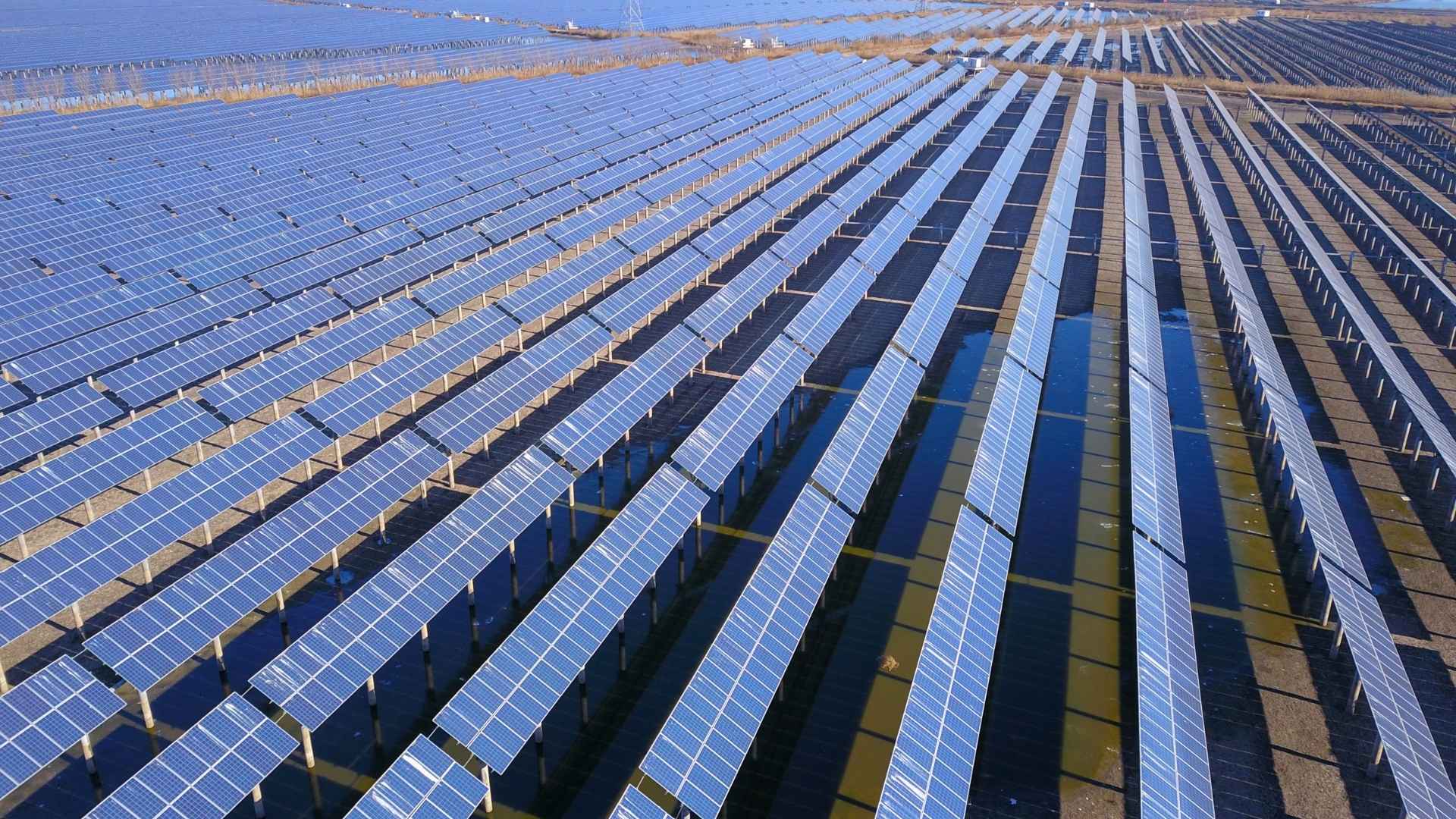
Australia's abundant sunshine makes it a prime location for solar power. However, harnessing this potential effectively requires meticulous planning. Every solar system, whether for a residential home or a large-scale commercial solar installation, needs a precise system design to maximise energy production and deliver real savings on electricity bills. Without an accurate solar design tool, you risk underperformance, where an inefficient panel design, poor roof layout, or overlooked shading analysis can significantly reduce a system's output, leading to dissatisfied customers. Using a solar CRM system blueprint helps you ensure your business is running on a solid foundation from the start.
Furthermore, inaccurate material estimates or design flaws can inflate project costs, eroding your profit margins before the job even starts. The Australian market also has specific regulations, including the NETCC (New Energy Tech Consumer Code), which demand detailed and compliant proposals. Slow proposal generation or unconvincing visuals can deter potential customers, especially when competing with other solar retailers. A sophisticated solar design tool addresses these challenges head-on, providing the foundation for successful, profitable solar projects across the country. It is about more than just placing solar panels; it is about strategic planning and insightful analysis.
The Evolution of Solar Design Software: From Manual to Masterpiece
Remember the days of manual calculations, hand-drawn schematics, and hours spent compiling data by hand? Thankfully, those days are largely behind us. Modern solar design software has evolved dramatically, offering once unimaginable features. Today's design software empowers solar businesses to quickly sketch panels on the roof using high-resolution aerial imagery and perform detailed shading analysis to identify optimal placement and predict performance accurately. This is why many leading crews are moving toward all-in-one solar software to handle the heavy lifting.
You can now integrate solar battery storage solutions seamlessly into the overall energy system and generate professional, visually appealing proposals with detailed financial breakdowns. Managing entire solar projects from lead to handover within a single platform means less time on administrative tasks and more time focusing on what you do best: delivering exceptional solar energy systems to Australian homes and businesses. The best solar design tool acts as a central hub for all your solar management needs.
Key Features That Define a Superior Solar Design Tool
When evaluating a solar design tool, especially for the Australian market, look beyond basic functionality. A truly superior platform will offer a comprehensive suite of features designed to enhance every aspect of your workflow. Here are the non-negotiables you should be looking for:
1. Intuitive Design Studio and Visual Roof Planning
The core of any good solar design tool is its ability to create accurate and visually compelling designs. You need a drag-and-drop interface where you can easily place solar panels, inverters, and solar batteries on a digital representation of the roof. Having access to up-to-date aerial imagery for precise roof planning and layout is a must. Shading analysis is critical for Australian conditions, as it accurately simulates the impact of trees, chimneys, or neighbouring buildings throughout the day and year. This provides crucial data for optimal panel design. Furthermore, being able to automatically generate professional electrical diagrams (single-line diagrams) ensures compliance and installation clarity. The ability to create and compare several panel design scenarios for a single client, showcasing different PV modules or system prices, is also a huge advantage.
2. Advanced Calculations and Financial Analysis
Beyond aesthetics, a powerful solar design tool must offer robust calculation capabilities. This includes accurate predictions of annual and monthly energy production based on location, weather data, shading analysis, and system specifications. You should be able to input customer-specific load profiles to tailor solar system sizing and battery storage for maximum self-consumption and savings. Detailed financial analysis—including Net Present Value (NPV), Internal Rate of Return (IRR), payback period, and projected electricity bills savings—is crucial for creating persuasive proposals and demonstrating the return on investment for solar projects. Integrating local solar rebates and incentives allows you to present accurate upfront costs and long-term benefits to your clients.
3. Integrated CRM and Project Management
The best solar design tools extend beyond just design. They serve as an integrated platform for your entire solar business. This includes lead management through a centralised lead hub with automated capture, smart assignment rules, and workflow automation. You should be able to generate branded, accurate, and professional proposals in minutes, incorporating all design and financial data. Secure digital signatures (E-Signatures) help close deals faster, while job scheduling with calendar sync for site visits and installations keeps your team on track. This holistic approach reduces manual errors, eliminates double-handling, and provides a clear overview of all your solar projects from start to finish. Using solar lead management software integrated with your design tool ensures no lead falls through the cracks.
Free Solar Design Software vs. Comprehensive Platforms
You might have come across various options for free solar design software or basic design tools. While these can be useful for initial planning or very small-scale PV systems, they often fall short for growing Australian solar businesses. For a serious operation, you need the best solar system design software that integrates directly with your business workflow.
| Feature | Basic/Free Solar Design Software | SolarHub CRM (Integrated Platform) |
|---|---|---|
| Design Capability | Good for basic panel design; limited shading analysis. | Advanced drag-and-drop, robust shading, 3D visuals. |
| Calculations | Basic estimates; often limited financial modelling. | Detailed NPV, IRR, ROI, and load profiles. |
| CRM & Sales | Standalone; requires manual data transfer. | Full lead management, automated workflows, E-Sign. |
| Project Management | Limited or non-existent. | Job scheduling, team management, and invoicing. |
While free solar design software can be a good starting point, it often introduces inefficiencies as your solar business grows. The time saved by not paying for software is quickly offset by the hours lost in manual data entry and fragmented workflows. For serious solar retailers and installers in Australia, an integrated platform is the smarter choice for long-term growth.
Introducing SolarHub CRM: The All-in-One Solar Design Tool for Australia

Imagine a world where your solar design tool isn't just for design, but also handles your leads, proposals, sales, project management, and customer communication—all from a single screen. SolarHub CRM is the purpose-built, all-in-one platform for Australian solar retailers, installers, and EPC companies. We replace messy spreadsheets, fragmented CRMs, separate design tools, and manual processes with a single, integrated system.
Our intuitive drag-and-drop design studio is at the heart of our platform. It allows you to add an address and sketch panels on the roof with precision using high-quality imagery. You can place inverters and batteries, and manage strings via DC cable seamlessly. We provide advanced calculations for energy production, savings, detailed shading analysis, single-line diagrams, NPV, IRR, and more—all essential for compelling solar proposals. The result is high-quality visuals and professional outputs that impress your customers and help them make informed decisions.
Built for Australia, by Australians
SolarHub CRM understands the unique nuances of the Australian solar market. From complying with the NETCC to understanding local solar rebates and specific installation requirements across different states like NSW, Victoria, Queensland, SA, and WA, our platform is tailored to your needs. This localisation ensures that your proposals are not only professional but also fully compliant and relevant to your customers. Furthermore, our flexible pricing—including a Forever Free Plan—makes powerful solar design software accessible to teams of all sizes.
FAQ: Your Questions About Solar Design Tools Answered
Q1: What is the best solar design tool for Australian installers?
For Australian installers, an all-in-one platform like SolarHub CRM is often considered the best. It combines advanced solar design software with CRM, project management, and sales tools, specifically tailored for the local market, ensuring compliance and efficiency.
Q2: Can I find free solar design software that is effective for commercial projects?
While some free options exist, they often have limitations for complex commercial projects, especially regarding advanced financial analysis, detailed project documentation, and comprehensive team management. For serious commercial solar ventures, a robust, integrated platform offers better long-term value.
Q3: How does a solar design tool help with shading analysis?
A good tool uses sophisticated algorithms and geographical data to perform detailed shading analysis. It simulates the sun's path throughout the year, identifying how shadows from trees or structures will impact panels. This is then integrated into energy production calculations for a highly accurate estimate.
Q4: Is SolarHub CRM suitable for both residential and commercial solar projects?
Yes, SolarHub CRM is designed to handle both residential and commercial solar projects. Its flexible design studio can manage anything from small home systems to complex C&I infrastructure. The advanced calculations and management systems are robust enough to support the diverse needs of any Australian solar business.
Get your solar workflow sorted.
The Australian solar energy market presents incredible opportunities, but success hinges on efficiency, accuracy, and a seamless workflow. Investing in a powerful solar design tool is no longer optional; it is a strategic imperative for any solar business looking to thrive. Reclaim over 40 hours per week, close more deals, and scale your solar business with confidence. Sign up for our Forever Free Plan today and see the difference for yourself.
SolarHub CRM
Phone: 1300 651 844
Website: solarhubcrm.com.au/contact-us/