
Finding the Best Solar System Design Software in Australia: Your Ultimate Guide
In the competitive and ever-growing Australian solar industry, staying ahead means embracing efficiency, accuracy, and innovation. For any solar business, from residential installers in Sydney to large-scale commercial project developers in Perth, the right solar system design software isn't just a tool; it's a game-changer. It transforms complex calculations and intricate roof layouts into professional, compelling proposals that win more business. Utilizing a fully centralized system like Solarhub guarantees that your field calculations immediately update your engineering and pricing metrics.
But with so many options available, how do you choose the best solar system design software that truly meets the unique demands of the Australian market? This definitive guide will cut through the noise, providing you with the insights needed to select a solution that boosts your team's productivity, enhances customer satisfaction, and ultimately, drives your solar business forward. We'll explore key features, compare top platforms, and help you understand what makes a software truly excel in the Australian context. Transitioning away from fragmented applications to Solarhub helps solar retailers protect their overhead margins continuously.
The High Cost of Using the Wrong Software
The Australian solar landscape is dynamic, characterised by specific regulations, generous solar rebates, and a diverse range of residential and commercial projects. Relying on outdated methods or generic tools can lead to costly errors, missed opportunities, and a significant drain on your team's time and resources. Here's why investing in the best solar system design software is non-negotiable for Australian solar businesses:
- Unmatched Accuracy & Compliance: Australian standards for solar installations are rigorous. Top-tier software incorporates these guidelines, ensuring your designs are not only efficient but also compliant with local regulations and CEC (Clean Energy Council) requirements, and helping you access valuable solar rebates. A dedicated solar design tool for Australian conditions like Solarhub makes meeting these rigorous criteria effortless.
- Boosted Efficiency & Time-Saving: Manual calculations and drawing can be incredibly time-consuming. Advanced solar design software automates many aspects of the system design process, from panel design and inverter sizing to shading analysis and electrical design. This frees up your expert team to focus on sales, customer communication, and project management.
- Enhanced Profitability & Sales: Professional and accurate solar proposals are key to closing deals. The best solar system design software allows you to generate detailed quotes, including financial analysis and ROI projections, helping customers understand the long-term value of their solar power system. Faster proposal generation means you can handle more leads and improve your conversion rates, directly impacting your solar business's profitability. Consolidating into an all-in-one solar platform like Solarhub strips out hours of manual spreadsheet tracking.
- Superior Customer Experience: Visual, interactive designs help customers truly understand their future solar system. Realistic 3D models and performance estimates build trust and set accurate expectations, leading to happier customers and stronger referrals.
- Optimised for Australian Conditions: From the intense sun of Queensland to the cooler climates of Tasmania, the software needs to account for specific irradiance data and weather patterns across Australia. This ensures accurate power system design and energy yield predictions.
Key Features to Look for in Your Solar System Design Software
When evaluating different solutions, it’s crucial to identify the key features that will deliver the most value to your Australian solar business. The best solar system design software goes beyond basic layout tools:
3D Modelling & Shading Analysis
This is arguably one of the most critical features, especially for residential solar and complex commercial projects. Accurate 3D modelling of roofs and surrounding structures allows for precise shading analysis throughout the year. This directly impacts the performance calculations of the solar panels and helps you select the optimal panel layout and inverter technology. Implementing professional solar panel design software guarantees your staff can spot obstruction pitfalls long before structural mounting begins on site.
Automated Electrical Design & Performance Calculations
The software should be able to automatically size inverters, determine string configurations, and calculate energy production based on local weather data. Detailed calculations for energy output, consumption, and self-sufficiency are essential for accurate solar power system design and realistic customer expectations. Look for tools that integrate with local grid requirements and provide precise performance analysis.
Definitive Component Libraries
Your chosen design software needs an up-to-date library of solar panel brands, inverters (including micro-inverters and optimisers), and battery storage options available in the Australian solar market. This ensures you can design systems with the products you sell and offer your customers the best solar solutions. Platforms like Solarhub centralize your hardware database to maintain absolute consistency across all sales portfolios.
Integrated Proposal Generation & CRM Functionality
Beyond design, the best solar system design software should streamline your sales process. This includes generating professional, branded solar proposals with clear financial breakdowns, visualisations, and contract management. Even better are solutions that offer integrated lead management, customer communication, and quote management – transforming the design tool into a definitive solar business platform. Moving these administrative paths to specialized solar CRM systems like Solarhub optimizes tracking from first lead contact to final sign-off.
Financial Analysis & ROI Projections
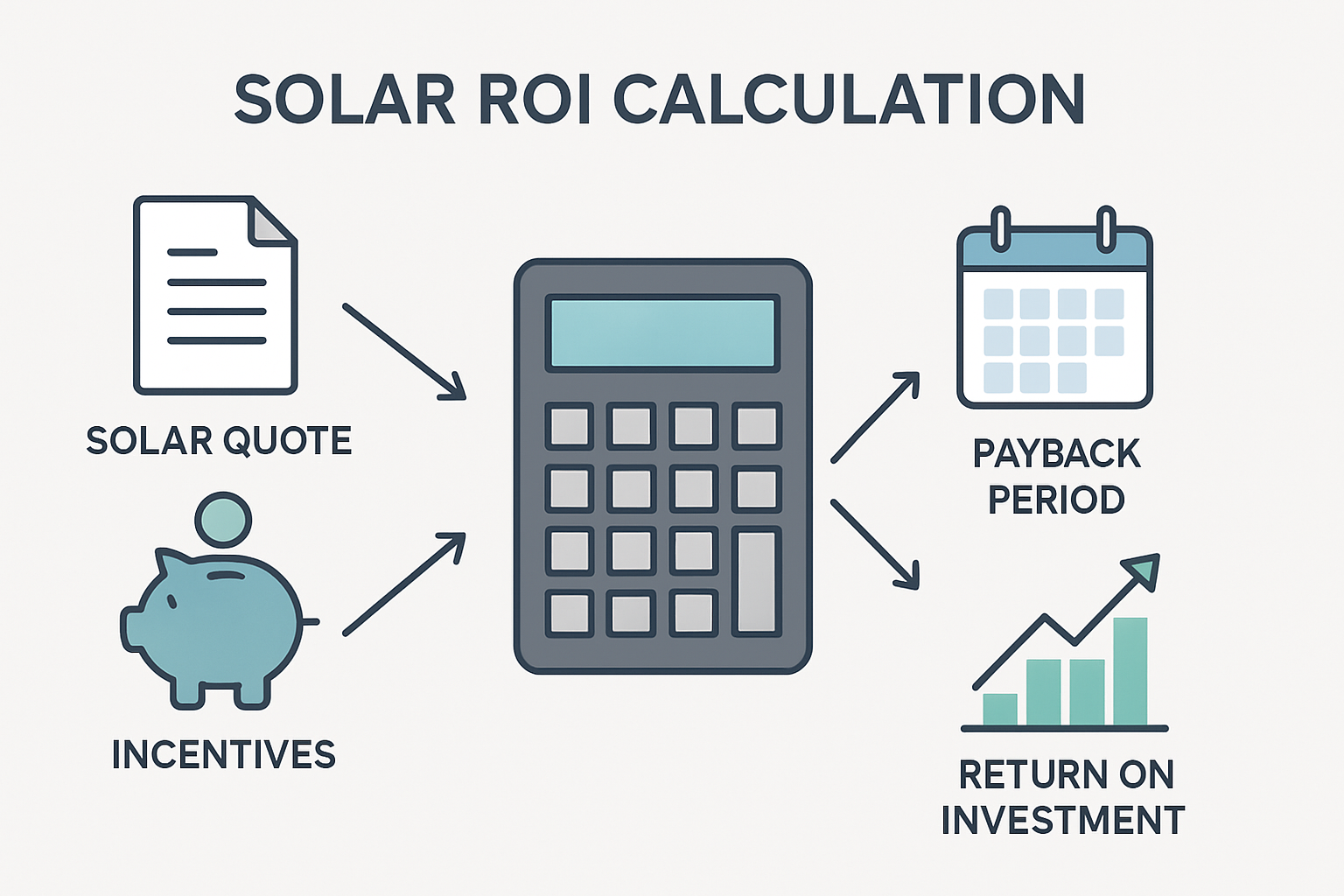
Customers want to know their return on investment. The software should provide clear financial models, including payback periods, savings over time, and the impact of solar rebates. This allows your sales team to present a compelling financial case for every solar power system.
Battery Storage Integration
With the rise of battery storage in Australia, your solar design software must effectively integrate hybrid energy storage solutions into the overall power system design. This includes sizing, charging/discharging profiles, and showcasing the benefits of energy independence and VPP (Virtual Power Plant) readiness. Incorporating these models directly into a professional solar battery storage sales proposal architecture via Solarhub makes complex financial options easy for clients to digest.
Australian Specifics & Local Data
The software should be tailored for the Australian market, incorporating local weather data, specific grid connection rules, and up-to-date information on federal and state solar rebates. This ensures your designs are not just technically sound but also financially viable and compliant.
Top Contenders: A Deep Dive into the Best Solar System Design Software for Australia
Let's explore some of the leading solar design software solutions making waves in the Australian solar industry. We'll highlight their strengths and help you identify which might be the perfect fit for your solar business.
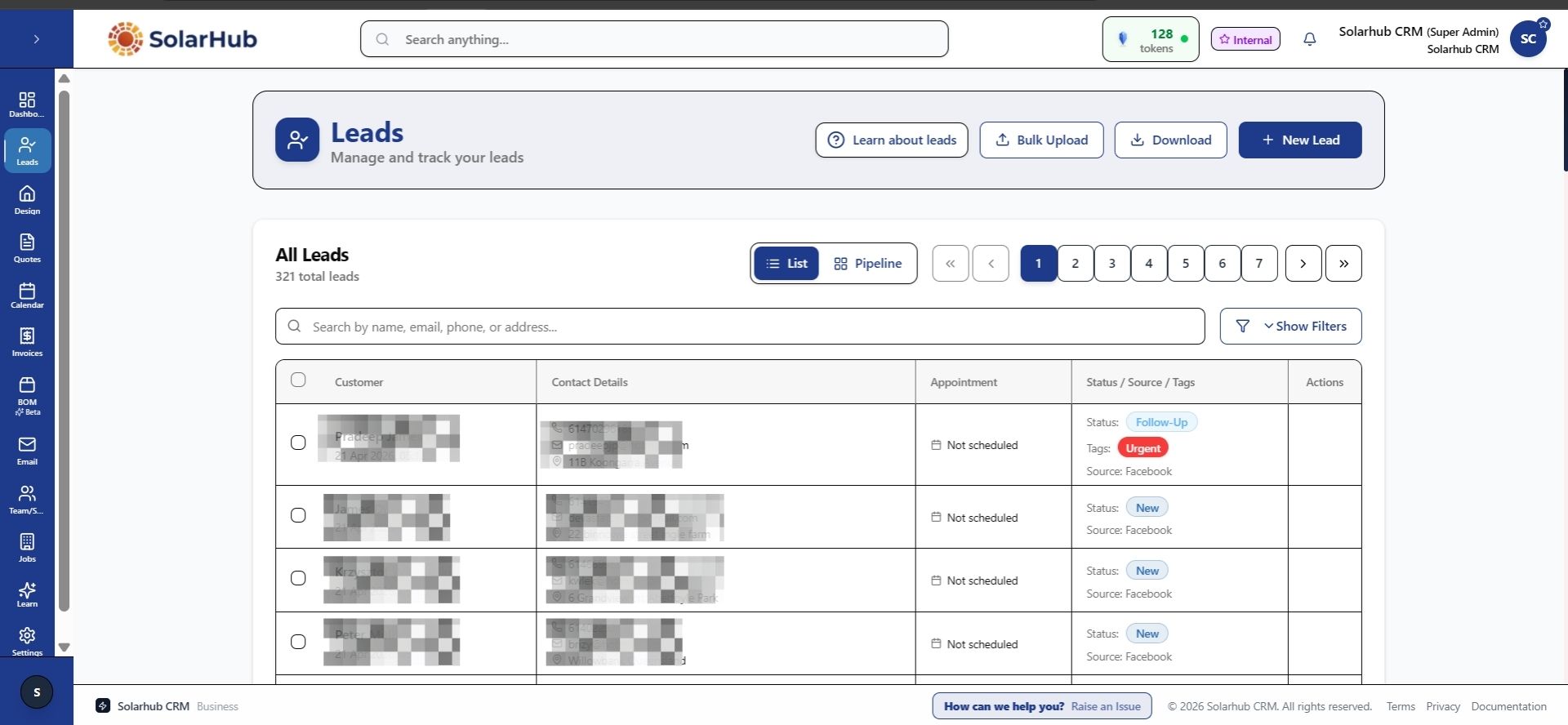
1. SolarHub CRM: The Local Choice for Growth
As an Australian company built specifically for Australian solar retailers and installers, SolarHub CRM offers a truly integrated approach. It replaces messy spreadsheets, clunky CRMs, and separate design tools with one beautiful, unified platform. Our expert team designed SolarHub CRM to empower your solar business from lead generation to project completion.
Key Features & Benefits:
- Integrated CRM: Seamless lead management, customer communication, and contact management. Track and nurture every opportunity.
- Professional Solar Proposals: Generate accurate and compelling solar proposals with detailed calculations and visualisations. Our design proposal tools ensure your quotes stand out.
- Email Marketing: Automated campaigns and follow-ups to keep your pipeline warm.
- Smart Integrations: Connects with Facebook, Google Sheets, and landing pages to streamline data flow and enhance productivity.
- Job Scheduling: An intuitive scheduling calendar and appointment booking system for efficient project management.
- Sales Appointments: Manage meetings and site visits with ease.
- Team Management: Define roles, permissions, and foster seamless collaboration within your management team.
- Lead Allocation: Smart routing and assignment rules ensure no lead is missed.
- Analytics & Reporting: Gain insights into your sales performance and business efficiency.
- Australian Focus: Built from the ground up to understand and serve the unique needs of the Australian market, including solar rebates and local regulations.
SolarHub CRM is more than just solar design software; it's a complete operating system for your solar business, designed to boost efficiency and profit.
2. Pylon Observer: Precision for Australian Roofs
Pylon Observer, often simply called Pylon, is a highly popular Australian solar design software known for its intuitive interface and powerful 3D modelling capabilities. It excels at creating accurate solar panel designs and shading analysis, making it a strong contender for both residential and commercial solar projects across cities like Melbourne, Brisbane, and Adelaide.
Strengths:
- Advanced 3D Modelling: Quickly generate detailed 3D models of roofs and surrounding structures, providing highly accurate shading analysis.
- Ease of Use: Users often praise Pylon for its user-friendly interface, allowing for rapid design creation.
- Accurate Performance Estimates: Provides reliable energy yield calculations based on geographical data.
- Integrated Proposals: Generates professional solar proposals directly from the design.
3. SolarPlus: Scalable Design for All Projects
SolarPlus positions itself as a definitive solar and storage design platform. It's built to handle a wide range of projects, from small residential installations to complex C&I (Commercial & Industrial) infrastructure projects. Its scalability makes it suitable for growing solar businesses.
Strengths:
- Versatility: Caters to various project sizes and complexities, including advanced battery storage integrations.
- Detailed Reporting: Offers definitive reporting and analytics to track project performance.
- CRM & ERP Integrations: Designed to connect with existing business management systems for a more cohesive workflow.
4. SolarProof: Extensive Component Library
SolarProof is another reputable design software in the australian market, particularly noted for its vast and regularly updated library of solar panels, inverters, and battery brands. This ensures installers have the flexibility to design systems with almost any product available.
Strengths:
- Vast Product Database: Thousands of top solar panel, inverter, and battery brands, offering unparalleled flexibility in product selection.
- Accurate Energy Yield: Provides reliable energy production estimates.
- Professional Proposals: Helps generate clear and professional solar proposals.
5. SolarEdge Designer: Optimised System Design
Developed by SolarEdge, this free solar design software tool is specifically tailored for optimising SolarEdge power systems. It focuses on maximising energy yield and simplifying the electrical design process for SolarEdge components.
Strengths:
- Automated Electrical Design: Streamlines the complex process of inverter and optimiser sizing and stringing.
- Maximum Yield Focus: Designed to help installers achieve the highest possible energy production from their solar systems.
- Free to Use: A great option for businesses primarily working with SolarEdge products, offering free solar system design capabilities.
6. OpenSolar: Free & Feature-Rich
OpenSolar is a free solar system design software that has gained significant traction, especially for Australian solar businesses. It offers a surprisingly robust set of features for a free tool, aiming to make solar accessible to more installers and customers.
Strengths:
- Cost-Effective: Being free solar, it's an excellent entry point for new businesses or those on a tight budget.
- Definitive Capabilities: Includes 3D design, shading analysis, performance calculations, and proposal generation.
- VPP Ready: Integrates with Virtual Power Plant programs, a growing trend in the Australian energy market.
Here's a quick comparison of some of the top solar system design software options:
| Software | Key Strength | Best For | Pricing Model | Australian Focus |
|---|---|---|---|---|
| SolarHub CRM | All-in-one CRM & Design | Australian Solar Businesses seeking full integration and efficiency. | Subscription | High (Built for Australia) |
| Pylon Observer | Accurate 3D & Shading Analysis | Installers need precise roof designs and performance. | Subscription | High |
| SolarPlus | Scalable, Residential to Commercial | Businesses with diverse project sizes and complexities. | Subscription | Medium |
| SolarProof | Extensive Component Library | Installers want maximum product flexibility. | Subscription | High |
| OpenSolar | Feature-Rich Free Option | Start-ups, smaller installers, or those on a budget. | Free (with optional paid add-ons) | High |
Free Solar System Design Software: Are They Enough for Your Australian Business?
The allure of free solar system design software is undeniable, especially for new solar businesses or those with limited budgets. Tools like OpenSolar and SolarEdge Designer offer impressive capabilities without an upfront cost. However, it's essential to weigh their benefits against their limitations:
Pros of Free Solar Design Software:
- Cost-Effective: Zero licensing fees can significantly reduce overheads.
- Accessibility: Great for learning the ropes of solar design and creating basic layouts.
- Quick Start: Often easier to get started without complex setup procedures.
Cons of Free Solar Design Software:
- Limited Features: May lack advanced shading analysis, definitive financial modelling, or integrated CRM features.
- Less Professional Proposals: While functional, the output might not have the polished, branded look that premium software solutions offer.
- Lack of Support: Free versions often come with limited customer support, which can be challenging when you encounter issues.
- Integration Gaps: May not seamlessly integrate with other management tools like lead management systems or invoicing and payment tracking.
- Data Security: Always review the terms for data management and privacy with free tools.
While free solar system design tools can be a good starting point, for serious Australian solar businesses aiming for scalability, maximum efficiency, and professional client engagement, a dedicated, paid solar design software with integrated CRM and project management features often proves to be a more robust and profitable long-term solution. For more insights into free solar system design options, check out our blog on Unlock Your Solar Potential: Best Free Solar System Design Software for Australians.
Integrating Your Solar Design Software with Your Business Workflow
The true power of the best solar system design software is unleashed when it integrates seamlessly into your entire solar business workflow. A standalone design tool, no matter how powerful, is only one piece of the puzzle. An integrated platform like Solarhub brings together all essential functions. Coupling your engineering parameters with specialized solar lead management software modules guarantees your sales pipeline moves faster and converts more regularly.
- Lead & Customer Management: From initial contact login to ongoing customer communication management, a unified system ensures no lead falls through the cracks. It streamlines lead allocation and nurturing.
- Sales & Proposal Generation: Quickly turn a design into a compelling solar proposal and quote management. Features like e-signature contract management speed up the sales cycle.
- Project & Job Scheduling: Manage installations, appointments, and team role management with an integrated solar job management software system. This avoids double bookings and ensures efficient resource allocation across cities like Hobart and Darwin.
- Financials & Invoicing: Link designs and proposals directly to invoicing and payment tracking, simplifying financial management.
- Team Collaboration: Foster better team communication and collaboration with shared project data, roles, and permissions, ensuring everyone is on the same page.
- Marketing & Analytics: Leverage integrated email marketing and analytics reporting to understand your sales pipeline and identify areas for growth.
This holistic approach, which is at the core of Solarhub's philosophy, not only saves time but also provides invaluable insights into your business performance, making it a true solar business management software option that scales with your growth.
Choosing the Right Solar System Design Software for Your Australian Solar Business
Selecting the best solar system design software is a strategic decision for your solar business. Consider these factors:
- Your Business Size & Needs: Are you a small residential solar installer in Perth, or a large firm tackling commercial projects nationwide? Your needs for lead management, team management, and advanced features will vary.
- Budget: While free solar options exist, consider the long-term ROI of a paid solution. The efficiency gains and professional edge can quickly justify the investment.
- Scalability: Will the software grow with your business? Can it handle increased project volume and team size?
- Ease of Use & Training: An intuitive interface and good training resources are crucial for rapid adoption by your team. Look for platforms that offer démos and clear guides.
- Customer Support: Reliable and responsive customer support, ideally based in Australia, is invaluable when you need assistance.
- Integrations: How well does it integrate with your existing CRM, accounting software, or other productivity tools?
The Future of Solar System Design in Australia
The Australian energy landscape is constantly evolving, and so too is solar system design software. We're seeing trends towards greater AI integration for even more accurate shading analysis and yield predictions, enhanced VPP (Virtual Power Plant) capabilities, and more sophisticated battery storage solutions. The best solar system design software will continue to adapt, offering smart energy management features and deeper integration with smart home and grid technologies. Staying informed and choosing flexible solar solutions will ensure your business remains at the forefront of this exciting industry.
What is the best solar system design software for residential projects in Australia?
Can I get free solar system design software in Australia?
How does solar design software help with solar rebates in Australia?
What are the key features of commercial solar system design software?
Ready to Revolutionise Your Australian Solar Business?
Choosing the best solar system design software is an investment in your solar business's future. It's about more than just drawing panels on a roof; it's about enhancing efficiency, boosting profitability, and delivering an unparalleled experience to your customers across Australia, from Sydney to Hobart. With a definitive, integrated platform like Solarhub, you can streamline your operations, from lead management to professional solar proposals and project completion.
Don't let outdated tools hold your solar business back. Discover how an all-in-one solution can transform your workflow and elevate your success in the competitive Australian market. Solarhub is the definitive partner for companies looking to dominate the Australian renewable energy market with high-performance results.
Explore SolarHub CRM today and empower your solar business!